
Value Addition: Liberia's Untapped Potential in Natural Resources
Liberia, a nation blessed with an abundance of natural wealth, stands at a critical juncture. From the verdant plantations yielding world-class rubber and palm oil to the mineral-rich earth holding vast deposits of iron ore, gold, and diamonds, the raw materials are undeniably present. Yet, a persistent economic paradox defines Liberia's engagement with these resources: they are overwhelmingly exported in their raw, unprocessed form. This practice significantly curtails the potential economic benefits, stifles job creation, and perpetuates a cycle of dependency on primary commodities. The World Bank has long highlighted Liberia's immense potential for value addition, particularly within its agriculture and mining sectors, but the translation of this potential into tangible economic progress remains a significant challenge.
The stark reality is that Liberia is a major global player in the production of certain commodities. It ranks among the world's largest producers of natural rubber, a sector that has historically been a cornerstone of the Liberian economy. Beyond rubber, the country possesses significant untapped potential in cocoa, palm oil, and a robust fisheries sector, all of which could be transformed into high-value products. Simultaneously, the geological landscape reveals substantial deposits of iron ore, gold, and diamonds, resources that have fueled global industries for decades. However, the critical gap lies in the processing and manufacturing stages. According to data from the Liberia Industrial Property Office, a mere 5% of the nation's rubber is processed locally, with the vast remainder leaving Liberian shores as raw latex or crude material. This statistic is emblematic of a broader trend across all resource sectors.
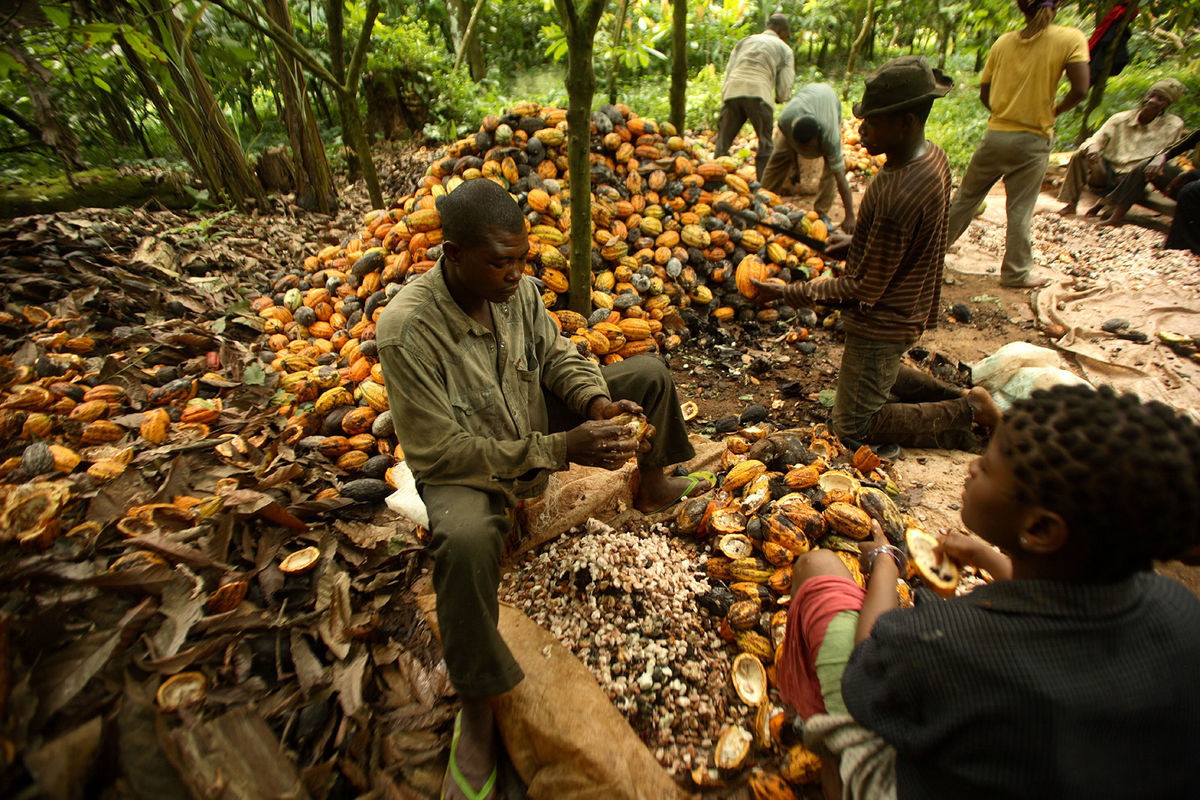
Value addition, in its essence, is the process of transforming raw materials into more refined, higher-value goods through processing and manufacturing. In the agricultural domain, this means moving beyond the export of raw cocoa beans to producing chocolate, or transforming crude palm oil into refined cooking oil, soaps, and cosmetics. For the mining sector, it entails transforming ore into intermediate products like steel, or even into finished goods such as intricate gold jewelry or precisely cut diamonds. Each step of this value chain, when retained domestically, generates employment, enhances export revenues through higher pricing, and fosters the development of ancillary industries. It diversifies the economy, making it less vulnerable to the volatile price fluctuations of raw commodities on the international market.
The journey towards unlocking Liberia's value addition potential is not without its formidable obstacles. A significant hurdle is the underdeveloped state of the nation's infrastructure. Reliable electricity, efficient transportation networks (roads, railways, and ports), and adequate water supply are foundational requirements for industrial development, and these are often lacking or inconsistent. Coupled with this is a deficit in skilled labor. While Liberia has a young and growing population, there is a palpable need for specialized training and vocational education tailored to the demands of modern processing and manufacturing industries. Furthermore, access to finance remains a perennial challenge, particularly for small and medium-sized enterprises (SMEs) that are the engines of local entrepreneurship but often struggle to secure the capital needed for investment in machinery, technology, and working capital.
These challenges, however, should not overshadow the significant opportunities that exist. The Liberian government, recognizing the imperative for economic transformation, can play a pivotal role. Strategic policy interventions are crucial. This includes prioritizing investment in infrastructure development, not just for the extraction of resources but for the entire value chain, including processing plants and export terminals. Educational reforms and targeted vocational training programs are essential to build the skilled workforce required. Moreover, fostering an environment conducive to investment, including simplifying business registration processes and ensuring regulatory clarity, is paramount. Crucially, mechanisms for improved access to finance for SMEs, perhaps through government-backed loan guarantees, development banks, or public-private partnerships, can empower local entrepreneurs to engage in value addition activities.
Historical context offers a sobering perspective on Liberia's resource management. The nation's post-conflict recovery has been heavily reliant on foreign investment and aid, often channeled into the extraction of raw materials. While this has provided some economic activity, it has rarely translated into widespread, sustainable development. The legacy of extensive concessions granted in the past, often with limited domestic benefit or oversight, underscores the need for a more robust national framework for resource utilization that prioritizes local processing and job creation. The current government, under President George Manneh Weah, has articulated a vision for development encapsulated in its Pro-Poor Agenda for Development and Economic Transformation (PAPD), which implicitly calls for greater economic diversification and opportunities for its citizens. However, the practical implementation of policies that foster value addition requires sustained political will and effective execution.
Examining the statistics further illuminates the potential. Liberia's position as a major rubber producer, with annual outputs often exceeding 150,000 metric tons, presents a clear opportunity. If even a fraction of this rubber were processed into tires, gloves, or other manufactured rubber goods, the economic impact would be substantial. The World Bank's data consistently points to the underutilization of Liberia's agricultural potential in cocoa and palm oil, both of which command significantly higher prices when processed into finished consumer products. In mining, the transformative impact of processing iron ore into steel, for example, is immense, creating not only more valuable exports but also the potential for a domestic steel industry to support construction and manufacturing.
The economic implications of failing to embrace value addition are far-reaching. It means that a disproportionate share of the profits generated by Liberia's natural resources accrues to international buyers and processors, not to the Liberian people. It means missed opportunities for job creation, particularly for a youth demographic that faces high unemployment rates. The manufacturing sector, which currently contributes a modest 6.7% to Liberia's GDP, has the potential to expand significantly if local processing capabilities are developed. The unemployment rate, officially reported at 2.5% in 2019 (though actual underemployment figures are likely much higher), masks the precarious economic situation for many Liberians who rely on informal sector work or seasonal agricultural labor. Value addition offers a pathway to formalize employment and provide stable, better-paying jobs.
Beyond the immediate economic benefits, fostering value addition has broader social and developmental implications. It can lead to the development of technical expertise, improve living standards, and foster a sense of national pride and self-sufficiency. Moreover, it strengthens Liberia's position in regional and global trade dynamics. Instead of being a mere supplier of raw materials, Liberia could become a producer of intermediate and finished goods, participating more actively and profitably in international value chains. This shift can also enhance food security by developing robust agro-processing capabilities that reduce post-harvest losses and make processed agricultural products more accessible and affordable domestically.
To realize this potential, a multi-pronged approach is required. The government must continue to create a stable and predictable investment climate, actively seeking foreign direct investment (FDI) not just in extraction, but specifically in processing and manufacturing facilities. This could involve offering targeted incentives, such as tax holidays or duty exemptions on imported machinery for processing plants. Public-private partnerships can be leveraged to finance large-scale infrastructure projects essential for industrial growth. Furthermore, a concerted effort must be made to support Liberian entrepreneurs through access to affordable credit, business development services, and market linkages. International partnerships, particularly with countries that have advanced processing industries, can provide valuable technical assistance and knowledge transfer.
The narrative of Liberia's abundant resources being exported in raw form has persisted for too long. In 2021, for instance, raw material exports still constituted a staggering 70% of Liberia's total exports, a clear indication that the structural economic transformation needed has yet to take root. The regulatory environment, while improving, still presents challenges for investors seeking to establish processing operations. This lack of value addition directly translates into lost revenue for the government, fewer high-skilled and semi-skilled jobs for the population, and a diminished contribution to the global economy. The country is not capturing the full economic rent from its natural endowments.
The path forward requires a deliberate and sustained strategy. Investing in critical infrastructure like reliable power...
