
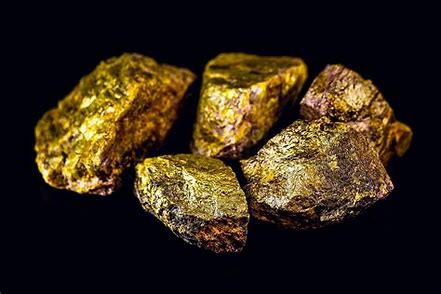
Liberia stands at a pivotal juncture in its post-war history as a remarkable wave of geological discovery positions the nation on the precipice of a $3 billion mining renaissance. Recent China-funded geological surveys, spanning half a century of exploration, have confirmed that beneath the lush rainforests and rugged topography of West Africa’s oldest republic lie substantial, untapped reserves of uranium, lithium, cobalt, manganese, and neodymium. These critical minerals are the lifeblood of the global green energy transition, essential for everything from high-performance electric vehicle batteries to wind turbine magnets and advanced energy storage systems. As the world pivots away from fossil fuels, Liberia’s newfound mineral portfolio offers a rare opportunity to pivot from its historical, volatile dependence on rubber and iron ore toward a more diversified and industrialised economic future.
This transition, however, is not without its systemic risks and deep-seated challenges that require urgent institutional attention. [1][17][26] Captured in the glow of global demand: The $3 billion promise of Liberia’s geological treasure trove. For decades, Liberia’s economy has been largely defined by the 'enclave model' of mining—an approach that often left the local population on the fringes of wealth generation while multinational corporations extracted raw materials with minimal local value addition. Today, as projections suggest a staggering 47% increase in global lithium demand by 2030, the government is betting that this time will be different.
Official forecasts indicate that GDP growth could climb from a respectable 5.1% in 2024 to a robust 5.8% by 2025, fueled by massive foreign direct investment (FDI) and the resulting surge in infrastructure development. Yet, for this growth to manifest as genuine poverty reduction—moving from current levels of 31% to the targeted 27.
8%—Liberia must navigate the choppy waters of macroeconomic instability, including inflationary pressures that are projected to peak at 12.3% in early 2025. [3][8][19] The logistical cornerstone of this ambition is the transformative $3–$5 billion Liberty Corridor project. This infrastructure megaproject is designed to modernize rail connectivity between the landlocked mining regions of neighboring Guinea and Liberia’s Atlantic ports, particularly the port of Didia.
By creating a cross-border artery for mineral logistics, the project does more than just transport ore; it promises to revitalize energy grids and road networks across the Liberian interior, potentially unlocking rural economic hubs that have been neglected since the end of the civil conflict in 2003. These public-private synergies, including ArcelorMittal’s massive $800 million expansion of the Yekepa-Buchanan corridor, which features Africa’s first iron ore concentration plant, signify a shift toward domestic beneficiation—the process of refining minerals before they leave the country to ensure more revenue stays within the Liberian economy. [7][20][25] Despite these hopeful signs, the specter of informality continues to haunt the sector. While artisanal and small-scale mining (ASM) is a vital source of livelihood for thousands of Liberians, contributing approximately $359 million annually to the economy, it remains largely shrouded in illicit financial flows.
Industry analysts suggest that up to 43% of potential sector revenues are lost to smuggling and unregulated trade, a staggering figure that underscores the need for more aggressive oversight. The contrast is sharp: while industrial-scale gold production at sites like the New Liberty Gold Mine saw a 49% output increase in 2022, diamond production simultaneously slumped by 12%, highlighting the volatility and lack of formalized structures that still dominate the artisanal landscape. [5][29][40] Governance remains the ultimate arbiter of whether this boom will become a blessing or a repeat of the 'resource curse' that has plagued many African nations. The Liberia Extractive Industries Transparency Initiative (LEITI) has played a crucial role in improving data visibility, yet significant gaps in the licensing process persist.
Currently, 29% of mineral blocks lack competitive, transparent bidding processes, which serves as a red flag for international investors and local observers alike. Without a strictly enforced, merit-based system for the awarding of mining concessions, the sector risks becoming a playground for rent-seeking behavior rather than a generator of national wealth. The necessity of achieving governance scores above the current 32/100 threshold is not merely a bureaucratic checkbox; it is an economic imperative to secure the country’s future. [11][34][37] Regulatory reform is already underway, with a revised mining code that mandates an increase in state royalties from 3% to 5% and demands 20% local equity participation in major projects.
These are bold steps toward economic nationalism, yet they remain vulnerable to uneven enforcement. Furthermore, the push for ISO 14001 environmental certification, while noble, faces an uphill battle; currently, only 40% of mining operations meet these international standards. As the government incentivizes foreign capital, it must ensure that the environmental cost—ranging from deforestation to water contamination—does not outweigh the tax revenue. The Ministry of Lands, Mines and Energy must move beyond rhetoric and provide the administrative muscle necessary to enforce these environmental protections, particularly in the delicate ecosystems where critical minerals are now being sought.
[10][27][31] The strategic landscape is further complicated by the high concentration of investment. Currently, 65% of mining projects in Liberia are underwritten by Chinese capital. While this influx of funds is a vital catalyst for the nation’s infrastructure, relying on a single geographic source of investment creates a 'single-point-of-failure' risk, particularly as global geopolitical tensions fluctuate. Attracting a more diverse set of investors—from North America, Europe, and other parts of Africa—would provide a hedge against market volatility and foster a more competitive environment for local firms to integrate into the global supply chain.
Liberia has the potential to capture 12–15% of the African battery metals market by 2030, but this ambition requires a broader partnership base to ensure resilience. [24][26][38] To manage the inevitable boom-and-bust cycles inherent in mineral markets, policy experts are advocating for the creation of a dedicated sovereign wealth fund, mirroring the successful models seen in Norway or even regional neighbors like Ghana. A proposed 15% revenue buffer would act as a fiscal shock absorber, protecting the national budget from sudden drops in commodity prices. This would represent a fundamental departure from the 'spend as you earn' approach that characterized previous administrations.
Establishing such a fund would signal to global markets that Liberia is maturing as a fiscal actor capable of long-term strategic planning rather than short-term crisis management. [15][21][28] The employment impact of this sector is perhaps the most emotive aspect of the current debate. With over 7,000 direct and indirect jobs projected to be created in the coming years, the mining sector offers a path to dignity for a youth population that has long faced high unemployment rates. However, for these jobs to be sustainable, the government must prioritize a 'local content' policy that demands the training and hiring of Liberian technicians and managers.
Importing foreign labor for anything other than highly specialized roles will stifle the growth of a domestic professional class and limit the transfer of skills that is essential for long-term economic development. [6][30][35] The regional dimension cannot be ignored, as Liberia’s mineral wealth is intrinsically linked to the broader Mano River Union’s stability. The Liberty Corridor is an example of 'collaborative growth,' where Liberia, Guinea, and Sierra Leone could potentially harmonize their mining regulations to create a unified bloc for mineral negotiation. By working together, these nations could exercise greater bargaining power in international markets and prevent 'race-to-the-bottom' tax incentives that only serve to diminish the share of wealth that stays in the region.
Regional integration is, therefore, not just a diplomatic aspiration but an economic necessity for maximizing the value of the West African sub-region’s mineral endowment. [33][39] As Liberia stands at this critical juncture, the narrative of a 'resource-rich nation' must finally be rewritten. The potential is immense, but the hurdles are historical and entrenched. The challenge lies in harmonizing the ambitions of the mining houses with the daily realities of the Liberian people.
If the government can successfully balance the need for aggressive investment with the necessity of transparency, environmental stewardship, and fiscal prudence, it could catalyze a period of growth unlike any seen in the country’s history. Failure to do so, however, would risk squandering the most significant opportunity for national transformation since the cessation of hostilities. [9][18][23] In the final analysis, the $3 billion mining renaissance will be judged not by the total output of uranium or lithium, but by the tangible improvement in the lives of every Liberian citizen. Will this wealth build schools, hospitals, and a stable energy grid that outlives the minerals themselves, or will it remain an enclave of fleeting prosperity?
The path is clear: it...
