
Liberia, a nation with a rich agricultural heritage and vast, underutilized fertile lands, stands at a pivotal technological crossroad. The country’s economy, deeply rooted in its agricultural sector, is currently ripe for a transformative shift through the integration of artificial intelligence (AI). As Liberia seeks to transition from subsistence farming toward a modernized, market-oriented agricultural powerhouse, AI emerges not merely as a futuristic luxury, but as a critical instrument for unlocking latent productivity. With the potential to significantly improve crop yields, streamline complex supply chain logistics, and optimize the allocation of scarce natural resources, AI can serve as a catalyst for national economic revitalization. This analysis explores the multifaceted landscape of AI integration in the Liberian context, dissecting the benefits, systemic challenges, and the strategic roadmap required to modernize our agrarian roots.
The historical context of Liberia’s economy cannot be overstated. Agriculture accounts for approximately 70% of the nation’s workforce, yet it contributes only 38.8% to the national GDP, according to World Bank 2021 data. This stark discrepancy highlights a profound 'productivity gap' that has persisted for decades. Following the decades of civil unrest that stalled national development, Liberia has struggled to re-industrialize its farming sector. Today, productivity remains hampered by a reliance on rudimentary farming techniques, lack of access to high-yield inputs, inadequate farm-to-market infrastructure, and the increasingly volatile impacts of climate change, as noted by the FAO. The potential for AI to bridge this gap is immense, providing data-backed pathways to move beyond the traditional cycles of poverty that have defined the smallholder farming experience in counties from Nimba to Maryland.
At the forefront of this transformation is precision farming. As the global precision agriculture market is projected to reach $12.9 billion by 2026, Liberia must look toward how these data-driven methodologies can be localized. Precision farming utilizes AI algorithms to synthesize diverse data points—satellite imagery of vegetation health, real-time localized weather patterns, and soil nutrient sensors—to provide farmers with actionable intelligence. Instead of applying inputs like fertilizer or water uniformly across a vast field, AI allows for 'variable rate' application, ensuring that resources are used exactly where needed. For a Liberian farmer, this means reduced input costs, higher quality outputs, and a significant buffer against the unpredictability of rainfall patterns that often wreak havoc on seasonal harvests.
Beyond the field, AI offers a revolutionary approach to supply chain management. One of the most persistent issues in Liberia’s agricultural sector is post-harvest loss, often caused by poor storage, lack of transportation, and market disconnects. By leveraging AI-driven predictive analytics, stakeholders—ranging from cooperatives to the Ministry of Agriculture—can better forecast demand, optimize inventory levels, and synchronize logistics. Imagine a system where AI predicts regional harvest volumes, allowing for the proactive deployment of transport assets to rural farm gates. This would reduce the current inefficiency where produce rots before reaching urban markets in Monrovia, ensuring that the fruits of labor actually reach the consumer while maximizing profit margins for the producer.
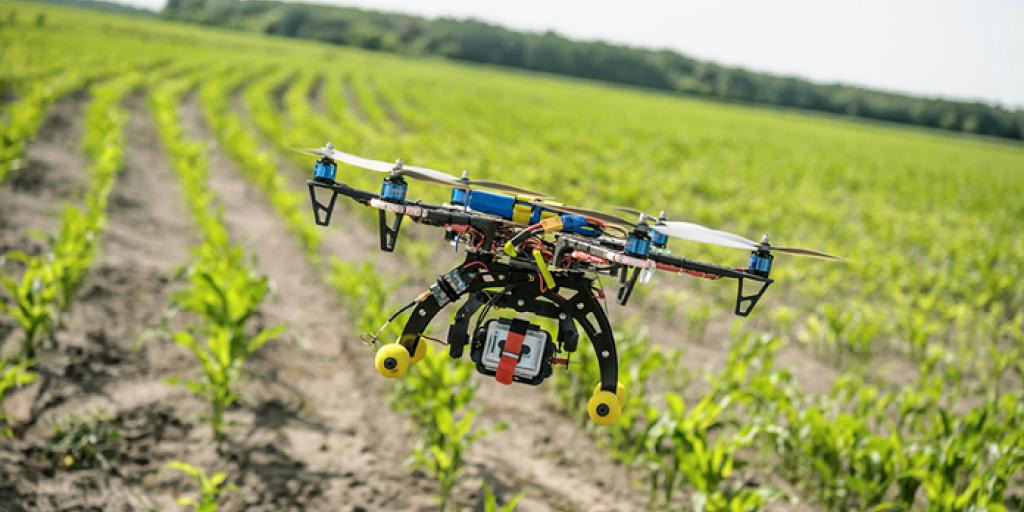
Furthermore, the introduction of AI-powered robotics and autonomous drones presents a leapfrog opportunity for Liberia. In many rural communities, labor-intensive tasks like manual weeding, harvesting, and pest monitoring are primary bottlenecks that limit the total land area a family can cultivate. Drone technology, when integrated with AI-driven imaging, can monitor crop health from the sky, identifying early signs of fungal infection or pest outbreaks before they decimate a crop. While the initial capital expenditure for these technologies is high, regional cooperatives and government-supported 'agri-hubs' could provide shared access to these machines, effectively decentralizing innovation and empowering the smallholder farmer with enterprise-grade technology.
However, the path to AI integration is fraught with systemic hurdles. The most pressing is the 'infrastructure deficit.' AI requires stable energy, consistent internet connectivity, and robust data storage—three pillars that remain inconsistent in many parts of the Liberian interior. Without a reliable electrical grid and high-speed data access, the implementation of cloud-based AI solutions will be limited to privileged clusters. Moreover, there exists a critical 'expertise gap.' The development of a local AI ecosystem requires not just importing foreign technology, but training a new generation of Liberian agronomists and software engineers who understand the unique soil and climate conditions of the West African rainforest belt. Investment in STEM education and vocational training focused on digital agriculture is not optional; it is a prerequisite.
Institutional collaboration is the missing link in this transition. The Liberian government, working in tandem with the African Development Bank and international agricultural research institutions, must move beyond policy statements to create an enabling regulatory environment. This includes incentivizing private sector investment through tax credits for ag-tech startups and establishing 'innovation sandboxes' where AI solutions can be piloted in controlled settings. The role of the private sector is particularly crucial; telecommunications companies in Liberia, for example, have the infrastructure to act as the conduits for the data that fuels AI models, connecting remote farming communities to the global digital economy.
Socially, the adoption of AI must be approached with an eye toward inclusivity. There is a risk that high-tech interventions might only benefit large-scale commercial plantations while leaving the subsistence farmer behind. To avoid this, government policy must prioritize affordable, mobile-first AI tools that require minimal technical literacy. We are already seeing the success of mobile banking (like Lonestar Cell MTN or Orange Money) in rural Liberia; digital agricultural services must follow a similar path, delivering AI-powered insights via simple SMS or voice-based interfaces in local dialects.
In conclusion, the potential benefits of AI in Liberia extend far beyond agricultural efficiency; they represent a pathway to food sovereignty and long-term economic stability. By harnessing technology to improve crop yields, reduce waste, and connect smallholders to regional markets, Liberia can flip its productivity ratio and solidify its status as an agricultural leader in the ECOWAS region. This is a journey that requires sustained political will, a commitment to digital infrastructure, and a grassroots approach to capacity building. The integration of AI is not a magic bullet, but it is an essential tool in the arsenal of a nation determined to move past historical challenges and embrace a future defined by technological advancement and sustainable prosperity. The time for Liberia to invest in the smart farm is now, for the cost of inaction is a future defined by missed opportunities.


