
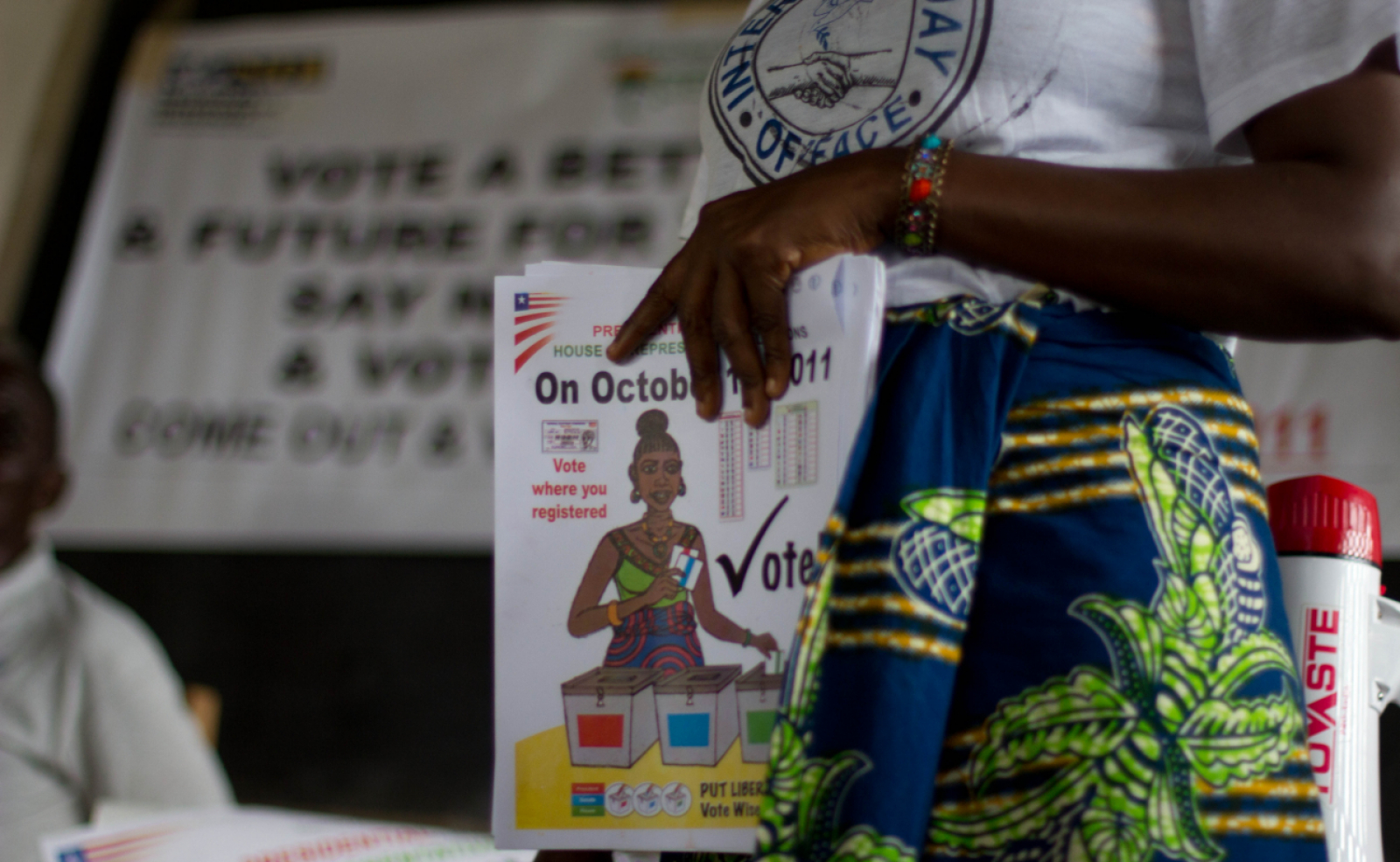
The 2023 general elections in Liberia stand as a profound watershed moment, representing a critical juncture in the nation’s fragile journey toward democratic consolidation and long-term political stability. Since the cessation of the brutal civil war in 2003, Liberia has endeavored to construct a stable, multi-party democracy from the ashes of conflict. However, the path has been arduous, and the 2023 electoral cycle serves as a litmus test for the resilience of the country’s institutions, the integrity of its electoral commission, and the maturity of its political class. These elections are not merely a contest for executive and legislative power; they are a defining episode that will dictate the trajectory of Liberia’s socioeconomic development for the coming decade.
As the nation prepares to navigate this process, the shadow of historical electoral grievances looms large, making the need for a transparent, inclusive, and peaceful transition more urgent than ever before. The stakes are immense, given that the outcome will inevitably shape the governance architecture of a country that remains deeply bifurcated between aspirations for modernization and the entrenched realities of underdevelopment. The 2023 race is defined by a highly competitive environment where a diverse array of political parties and coalitions are vying for the hearts and minds of a disillusioned electorate. This fragmentation of the political landscape reflects a broader search for alternative leadership, as voters grapple with the perceived shortcomings of the incumbent administration.
The implications of this power struggle extend far beyond the ballot box; they reach into the very foundation of Liberia’s statehood, affecting investor confidence, social cohesion, and the sustainability of the fragile peace that has held for two decades. Economic policy stands at the epicenter of the 2023 electoral discourse. Liberia remains shackled by the structural legacies of an extractive economy, characterized by an over-reliance on primary commodity exports like iron ore and rubber. This vulnerability leaves the national budget exposed to the volatile fluctuations of international commodity markets, depriving the government of the fiscal space necessary to invest in human capital, infrastructure, and diversification.
Despite the projection of modest economic growth—noted by the World Bank at 3.2 percent for 2022 following a contraction in 2021—the reality on the ground is starkly different for the average citizen. With over 50 percent of the population living below the poverty line, the disconnect between macroeconomic indicators and the lived experience of the Liberian people has become a potent campaign issue. Candidates are forced to articulate credible roadmaps for job creation and fiscal reform.
Voters are demanding more than superficial promises; they are seeking tangible plans that address the skyrocketing cost of living, energy scarcity, and the lack of access to basic social services. The political discourse has shifted toward how a new administration might break the cycle of dependency and foster a more inclusive private sector, one capable of absorbing the country’s burgeoning youth population, which currently faces record levels of underemployment. Parallel to the economic debate is the corrosive issue of systemic corruption, which continues to act as a significant drag on Liberia’s growth and institutional credibility. Ranking 137th out of 180 countries on Transparency International’s 2021 Corruption Perceptions Index is a sobering indicator of the governance hurdles that remain.
Public trust in state institutions—from the judiciary to the Liberia Anti-Corruption Commission—has eroded, leading to a pervasive sense of apathy among the youth. Throughout the campaign season, the question of accountability has dominated the rhetoric, with candidates pledging to enforce stringent transparency standards. However, the electorate remains skeptical, having heard similar promises in past election cycles. For the next president, the immediate challenge will be to demonstrate a genuine, actionable commitment to purging corruption from the corridors of power.
Failure to do so risks further alienation of the electorate and potential civil unrest, as citizens become increasingly emboldened to demand their right to better governance. The credibility of the electoral process itself is perhaps the most significant factor in maintaining stability. Liberia’s history of electoral violence and allegations of fraud, ranging from the contested results of 1985 to the more recent anxieties surrounding the mid-term senatorial races, underscore the fragility of the democratic process. Ensuring that every vote is counted accurately and that the process is deemed free and fair is essential to preserving national harmony.
The international community, led by partners such as the United States, the European Union, and the African Union, continues to play a pivotal role as a guarantor of the peace process. Liberia has historically relied on significant external support for security, development aid, and capacity building. The next administration will face the delicate diplomatic task of balancing these international relationships, particularly amid shifting geopolitical dynamics involving China’s expanding infrastructure investments and Western efforts to bolster democratic norms. The capacity of the winning candidate to foster stability while navigating these complex international pressures will be a major determinant of their success.
The broader regional context also adds a layer of complexity; Liberia’s stability is intrinsically linked to the peace of the wider Mano River Union region. As neighboring countries deal with their own democratic transitions and regional security challenges, Liberia’s ability to conduct a peaceful, transparent, and democratic transfer of power or continuity serves as a crucial signal of stability for West Africa as a whole. The legacy of the 2023 elections will be determined by how the political elite manages the post-election landscape. Will the losers accept the results with grace, or will they resort to the divisive tactics that have plagued previous cycles?
Will the winner foster a government of national inclusion, or will they succumb to the temptation of partisan marginalization? The answers to these questions will decide whether Liberia continues its march toward democratic maturation or slides back into the cycles of mistrust and instability. Ultimately, the 2023 elections are a test of the Liberian people’s commitment to the democratic project. It is an opportunity for the nation to choose a path of accountability, economic rejuvenation, and social equity.
The citizens, in their capacity as the ultimate arbiters of the nation's direction, hold the power to influence the trajectory of the country. A peaceful and transparent election is not just a constitutional requirement; it is a fundamental imperative for the country's survival and its aspirations for long-term development. As Liberia stands at this crossroads, the international community and domestic observers alike are watching with keen interest, hopeful that the 2023 polls will consolidate the progress made since the end of the conflict and usher in a new era of stable, responsive, and effective governance. The burden of this history sits heavily upon the shoulders of all participants, as the decisions made during this period will resonate in the classrooms, markets, and homes of Liberia for years to come.
Ultimately, the successful administration of these polls will determine whether Liberia remains a beacon of hope for democratic resilience in the region or returns to the shadows of its turbulent past. This is the moment for Liberia to solidify its reputation as a functioning democracy, demonstrating that its institutions are robust enough to withstand the heat of political competition and deliver on the promise of a better life for all its citizens.
