
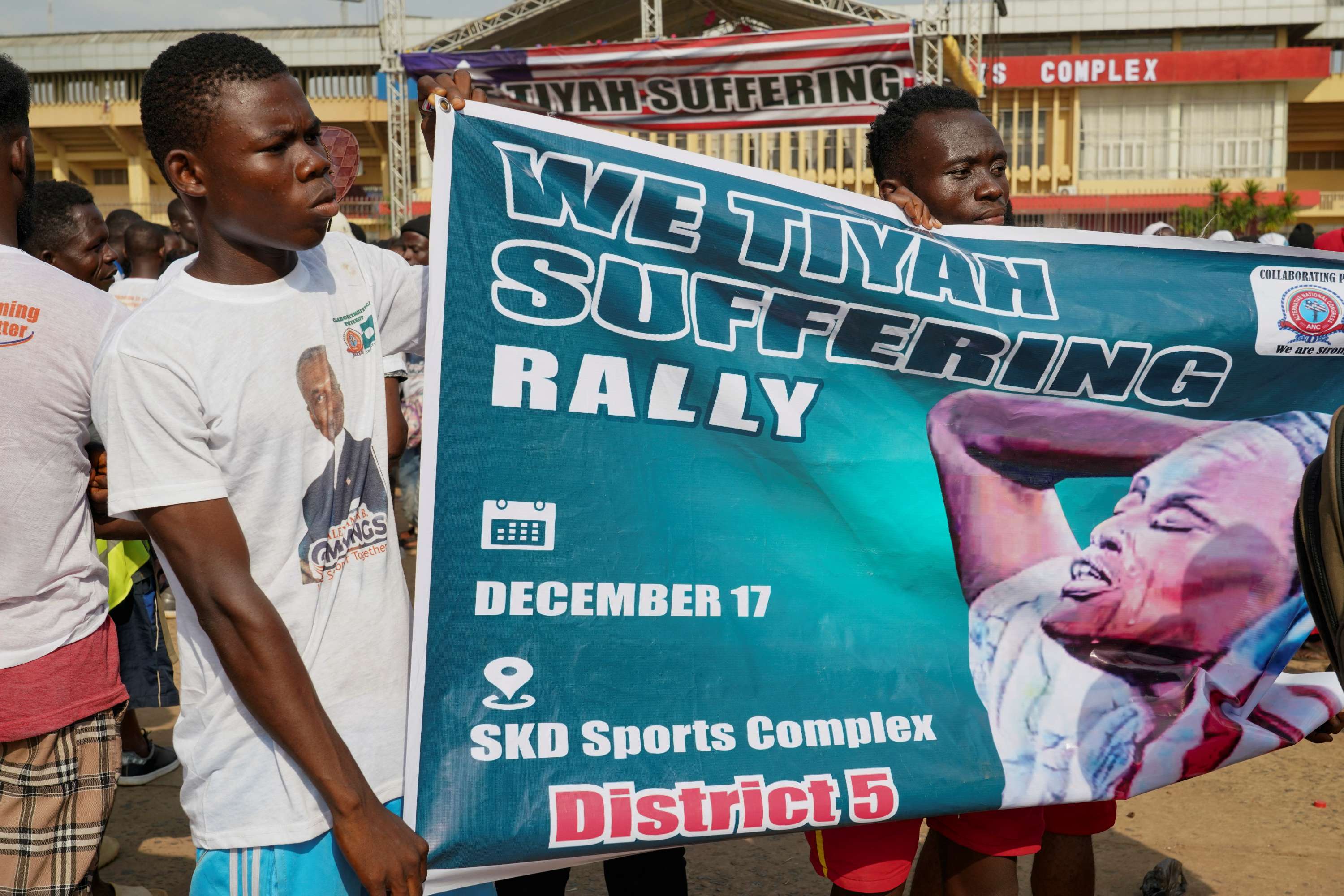
The emergence of vibrant, grassroots social movements has fundamentally altered the trajectory of Liberian politics in the post-civil war era, serving as a critical barometer for the health of the nation’s democracy. Since the formal cessation of hostilities in 2003 and the subsequent democratic transition, Liberia has witnessed a maturation of civil society, characterized by an increasing readiness of citizens to challenge the status quo. These movements, ranging from student-led advocacy groups to broad coalitions of civil society organizations, have evolved into a potent political force. They no longer merely inhabit the periphery of governance; they act as a central, often disruptive, influence on policy-making, demanding accountability from a government structure historically characterized by centralized power and systemic opacity.
This analysis examines the multifaceted impact of these movements, the strategies they employ to navigate a volatile political landscape, and the deep-seated structural challenges that both empower and constrain their efficacy. The history of Liberia is etched with moments of collective action, from the rice riots of 1979—which signaled the collapse of the True Whig Party hegemony—to contemporary digital-age mobilizations. Understanding the current climate requires recognizing this historical precedent; today’s activists are the ideological heirs to a long tradition of pushing back against exclusionary governance. In recent years, movements like the 'Bring Back Our Money' campaign have transitioned from localized dissent to national phenomena.
The Council of Patriots (CoP), a coalition of civil society actors, successfully transformed widespread public indignation over the missing $104 million (approximately 16 billion Liberian dollars) into a singular, cohesive narrative that forced the administration of President George Manneh Weah to confront a domestic financial scandal of unprecedented proportions. This particular episode was transformative not only because of its scale—culminating in a national stay-at-home protest that paralyzed Monrovia—but because it bridged the gap between elite political discourse and the frustrations of the 'Zogo' and the market traders. The economic implications of such movements are profound. When citizens take to the streets, the resulting paralysis of commerce and trade highlights the precarious nature of the Liberian economy.
Foreign investors, observing these cycles of instability, often exercise caution, which in turn stifles the very economic growth that protesters demand. Yet, the movements argue that the true source of economic decline is not the protest itself, but the systemic corruption that necessitates such public outcry. By framing economic hardship through the lens of institutional malfeasance, these movements have effectively shifted the political discourse from mere partisan bickering to a debate over the social contract and the equitable distribution of national resources. The success of these movements in policy-making, as seen in the 2019 student-led victory regarding university fee structures, demonstrates the power of organized, issue-based agitation.
When the University of Liberia, the nation's premier public institution, attempted to increase fees amidst an already biting economic recession, the mobilization of the student body served as a reminder that the youth constitute the most politically mobilized demographic in Liberia. Their ability to force a governmental back-down is a blueprint for future advocacy, proving that when disparate interest groups align, they can achieve tangible legislative or administrative concessions. Beyond local policy, these movements have become essential for maintaining global attention on the Liberian state. In an era where international development partners and donors are increasingly focused on the 'governance index' of recipient nations, the existence of a vocal and active civil society provides a necessary check on the executive branch.
When the 'Save the State' protests occurred in 2020, they served as a clarion call to the international community that the democratic gains made since the Comprehensive Peace Agreement were under threat from autocratic tendencies. While the resignation of the President was not achieved, the sheer volume of international media coverage and the subsequent pressure placed on the government by diplomatic missions in Monrovia highlighted how local movements can trigger global accountability mechanisms. The strategies employed by these groups have become increasingly sophisticated. While traditional methods—physical protests, marches, and town hall meetings—remain the bedrock of their operations, the tactical integration of social media has revolutionized mobilization.
The #BringBackOurMoney campaign utilized Facebook and Twitter to bypass state-controlled media, allowing organizers to disseminate real-time information to thousands of supporters simultaneously. This digital agility has made it difficult for the government to suppress information or control the narrative. In the Liberian context, where traditional media houses are often beholden to political 'godfathers,' these digital platforms serve as the only truly democratic, albeit often chaotic, space for public debate. However, this progress is countered by significant obstacles.
The most prominent is the reflexive, often heavy-handed response from the state. The memory of the 2018 protest bans in Monrovia remains a stark reminder of the fragile state of civil liberties. When the government employs the Liberian National Police (LNP) to stifle dissent, it does not merely suppress the protest; it risks radicalizing the movement. Historical context suggests that state-sanctioned violence against peaceful assembly, such as that witnessed during the dark periods of the 1980s, has historically led to civil unrest, not stability.
Furthermore, the internal fragmentation of the opposition is a critical limiting factor. While social movements possess the energy to disrupt the status quo, they often struggle to translate that energy into a coherent political alternative. The opposition parties in Liberia have frequently failed to capitalize on the momentum generated by these movements, often viewing them as rivals rather than partners. This discordance allows the ruling party to maintain power through a policy of divide and rule, exploiting the mistrust that often exists between civil society and traditional political elites.
Social movements are effectively navigating a minefield where they must maintain their independence from political parties to retain their credibility, while simultaneously needing those same parties to help convert their advocacy into formal policy changes. Additionally, the socio-economic reality of the average Liberian activist cannot be ignored. Prolonged involvement in protest movements requires resources and time—luxuries in an environment where basic survival is an daily struggle. The sustainability of these movements is perpetually under threat from exhaustion, resource scarcity, and the eventual co-optation of leaders by the very systems they seek to reform.
As Liberia looks toward future electoral cycles, the role of these movements will only intensify. They are the essential guardrails against the erosion of democracy. For these movements to be more effective, they must move beyond reactionary protest and toward proactive, solution-oriented policy advocacy. Strengthening local governance, fostering better relationships with grassroots community organizations, and building lasting institutional partnerships with regional human rights bodies will be vital.
The Liberian political climate is shifting. It is no longer possible for the ruling class to govern in isolation from the governed. As these social movements continue to evolve, they will remain the most reliable indicator of Liberia's democratic maturity, signaling whether the nation is moving toward greater inclusivity or sliding back into the patterns of exclusion that have historically plagued the republic. The future of Liberian democracy is inextricably linked to the ability of these movements to sustain pressure without succumbing to the cycles of violence, corruption, and fragmentation that have historically derailed national progress.



