
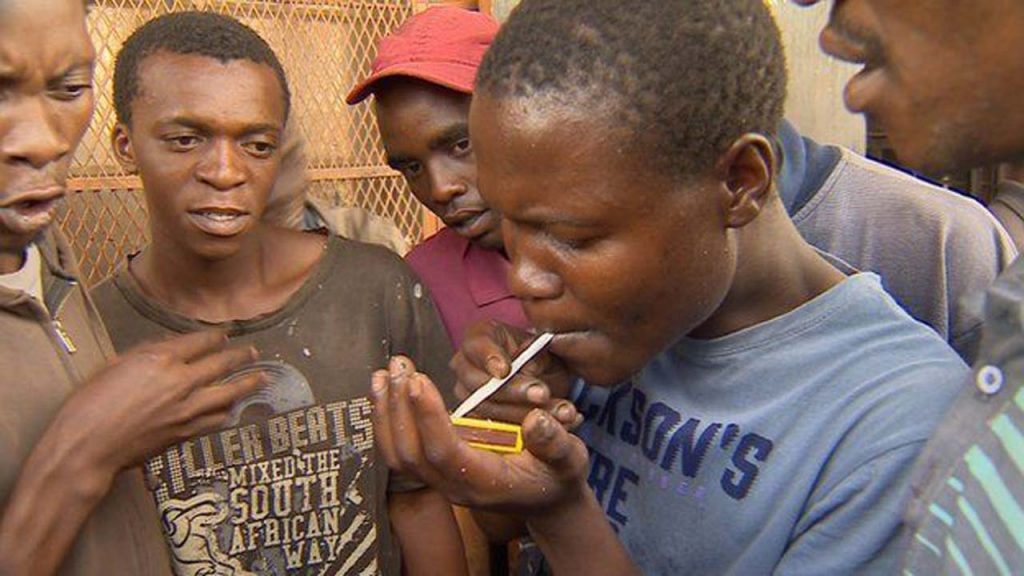
The Republic of Liberia stands at a precarious juncture in its post-conflict trajectory, facing an existential threat that is as insidious as it is pervasive: the rapid escalation of substance abuse. Once a nation defined by the scars of civil war, Liberia now finds itself besieged by a public health crisis that targets the very demographic essential to its future stability—its youth. The systemic proliferation of illicit narcotics, ranging from traditional cannabis to lethal synthetic concoctions like 'kush' and 'zombie,' has created a complex socio-economic dilemma. This crisis is not merely a failure of law enforcement but a multidimensional challenge rooted in historical trauma, economic disenfranchisement, and a fractured social contract.
As we analyze the trajectory of this epidemic, it becomes clear that if left unchecked, the drug crisis threatens to undermine the foundations of Liberia’s development, security, and human capital for decades to come. The origins of this crisis are deeply intertwined with the nation's turbulent history. Between 1989 and 2003, Liberia was consumed by two brutal civil wars that decimated public institutions and shattered social support structures. During this period, combatants—often children—were coerced into using drugs to dull fear and bolster aggression, a practice that institutionalized substance dependency as a survival mechanism.
Research indicates that approximately 44.9 percent of male combatants and 12.3 percent of female combatants engaged in substance use during the conflict. This wartime legacy did not dissipate with the signing of the Comprehensive Peace Agreement.
Instead, it transitioned into the peacetime era, where the lack of adequate post-traumatic stress disorder (PTSD) treatment and psychological support for former child soldiers allowed addiction to take root within the fabric of civilian society. Today, that legacy has mutated, evolving into an environment where drug accessibility is a defining characteristic of marginalized urban landscapes. According to the Liberia Institute of Statistics and Geo-Information Services (LISGIS), the demographic reality is stark: approximately 79 percent of the population is under the age of 36, and at least 85 percent of this group remains unemployed due to structural deficits in education and technical training. This immense 'youth bulge,' lacking the economic levers to engage in productive society, has become fertile ground for illicit drug peddling and consumption.
When one considers that approximately 20 percent of Liberia’s youth are currently estimated to be engaged in the abuse of narcotic substances, the demographic implications are harrowing. We are witnessing a systemic loss of potential. The prevalence of these substances has transcended local trafficking; the market is now flooded with sophisticated, lethal synthetic compounds. 'Kush,' a synthetic cannabis derivative, has emerged as a primary offender.
Often imported via regional illicit networks, it is frequently cut with toxic additives, including formaldehyde, tramadol, fentanyl, and even industrial chemicals like paint and disinfectants. The physiological toll of such substances is catastrophic, leading to rapid neurological decline and severe physical impairment. The availability of substances labeled as 'zombie' by local communities speaks to the extreme potency of these mixtures and their paralyzing effect on users. The public health infrastructure, already strained by chronic underfunding, is buckling under the weight of this phenomenon.
The World Health Organization (WHO) approximates that 10 percent of the Liberian population suffers from common mental health disorders, a figure that is undoubtedly inflated by the widespread abuse of stimulants and depressants. Beyond the psychological burden, the rise in intravenous drug use poses an acute risk for the resurgence of blood-borne pathogens, particularly HIV/AIDS and Hepatitis C, as users often share implements in resource-poor settings. Peer educators and health workers have consistently raised alarms regarding the culture of silence and the absence of harm-reduction strategies, noting that the desperation of addiction often outweighs the fear of disease transmission. The educational sector, intended to be the incubator for the next generation of Liberian leaders, is similarly compromised.
LISGIS reporting shows that 17 percent of students between the ages of 12 and 17 have experimented with hard narcotics in the last year. This reality manifests in a direct correlation with declining academic performance, chronic absenteeism, and high dropout rates. When schools become sites of consumption rather than learning, the nation’s future workforce development is paralyzed. The anecdotal evidence from County Education Officers—who speak of the urgent need for 'health clubs' to mitigate student exposure to drugs and teenage pregnancy—underscores that the drug crisis is a catalyst for a broader unraveling of youth social norms.
Recognizing the urgency, the administration of President Joseph Boakai has moved to categorize drug abuse as a national health crisis. This rhetorical shift is a necessary first step; however, it must be supported by a sophisticated, non-militarized approach to recovery. While law enforcement initiatives such as the LDEA task forces are essential for disrupting the supply chain and dismantling transnational trafficking routes, they cannot be the sole solution. True stabilization requires a paradigm shift that treats addiction primarily as a medical and social welfare challenge.
The current initiatives, such as the Socio-Economic Empowerment of Disadvantaged Youth project, represent an acknowledgement of the need for holistic intervention. To move forward, Liberia must implement a multi-tiered strategy. First, public education must be revolutionized. UNESCO-endorsed curricula should be standardized across both public and private schools to demystify addiction and provide students with the psychological resilience to resist social pressure.
Second, rehabilitation must be localized. The current dearth of specialized inpatient centers means that thousands of citizens are left to struggle without clinical guidance. We must scale up community-based detoxification programs that combine vocational training with behavioral therapy, ensuring that recovery is linked to economic re-integration. Third, law enforcement must focus on the ‘kingpins’ rather than criminalizing the vulnerable.
While curbing supply through enhanced border security is vital, the legal system should prioritize diversionary programs for first-time offenders, steering youth toward rehabilitation instead of overcrowded prison systems that serve as 'universities of crime.' Fourth, the government must secure sustainable funding for data collection. Without accurate, real-time tracking of drug trends, policymakers are flying blind. We need a national drug observatories network capable of identifying new synthetic threats before they reach the rural provinces.
Finally, the social stigma surrounding drug use must be dismantled. The perception of the drug user as a moral failure must be replaced with the clinical understanding of the user as a patient. Community and religious leaders have a profound role here; they hold the social capital necessary to change cultural attitudes and promote wellness over victimization. In conclusion, the drug epidemic in Liberia is not an isolated crime statistic; it is a manifestation of the unmet promises of peace.
For a nation that has endured so much, the current battle for the minds and bodies of the youth is the ultimate test of state resilience. If Liberia can marshal the political will to treat this as both an economic and a health imperative, it may yet preserve its future. Failure, however, invites a cycle of instability that could set the nation back by decades. The path to recovery is arduous, requiring consistent investment, scientific rigor, and the courage to look at the structural failures that brought the country to this point.
The next generation is counting on this resolve; their future, and by extension the future of the Republic, depends on it.
