
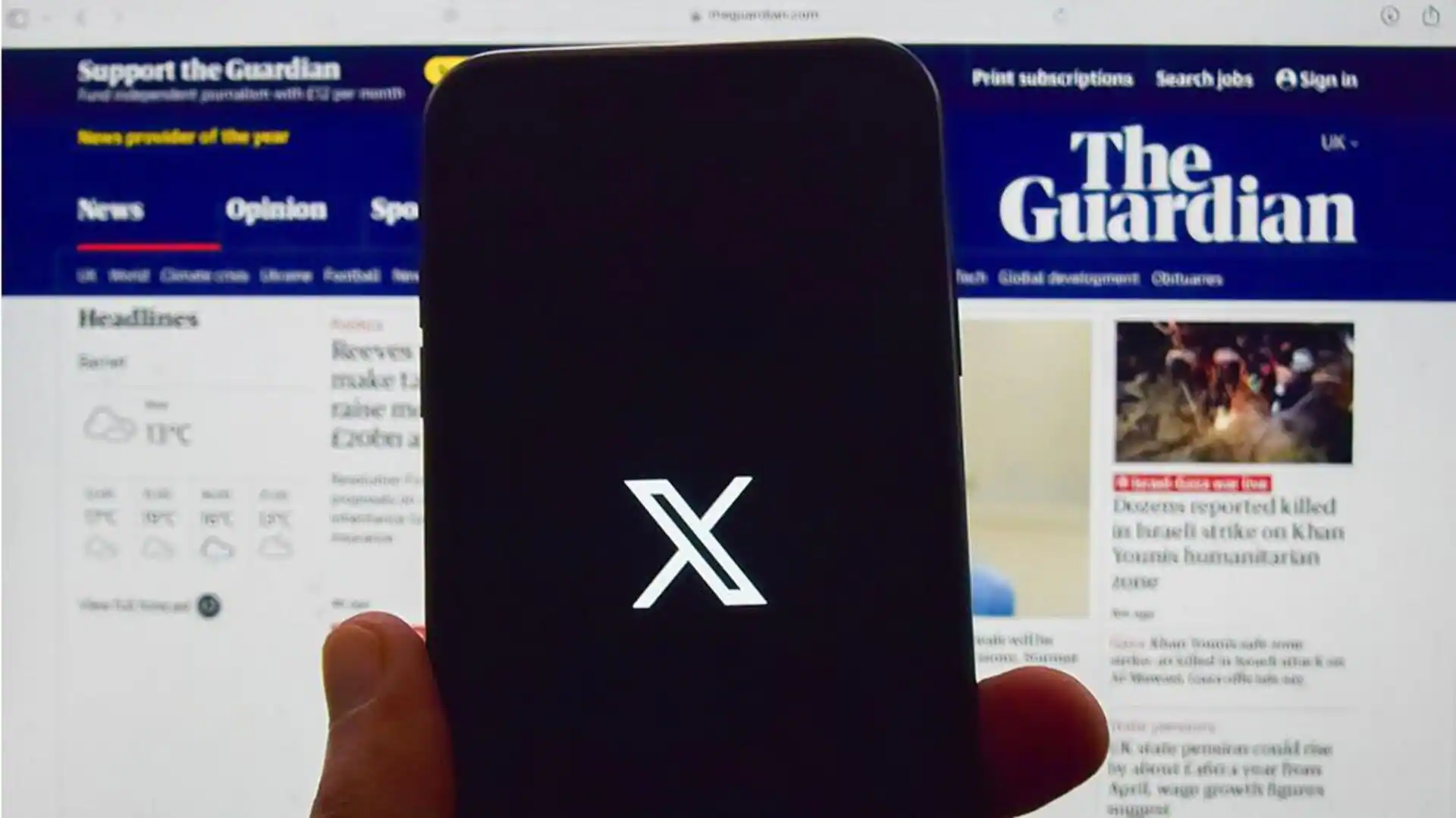
The Guardian’s decision to cease posting content on X, formerly known as Twitter, represents a watershed moment in the evolving relationship between legacy media organizations and the platforms that have come to dominate the digital information ecosystem. Announced on November 13, 2024, this move is not merely a strategic pivot but a profound statement on the state of modern digital discourse. By abandoning a platform where it maintained approximately 27 million followers across 80 distinct accounts, The Guardian has signaled that the reputational costs of maintaining a presence on Elon Musk’s X have officially eclipsed the benefits of audience reach. This withdrawal serves as a bellwether for a broader trend of institutional skepticism, reflecting deep-seated concerns regarding algorithmic toxicity, the rampant proliferation of misinformation, and the increasingly blurred lines between platform management and political advocacy.
As media outlets grapple with the paradox of needing social media for distribution while simultaneously finding those same platforms hostile to their core mission of journalistic integrity, The Guardian’s departure highlights a crisis of confidence in the current digital public square. The newspaper explicitly cited the presence of disturbing content—specifically far-right conspiracy theories, racism, and extremist rhetoric—as the primary drivers for their exodus. This critique is supported by a growing body of academic and independent research. Investigations by the Center for Countering Digital Hate and various academic institutions have reported staggering increases in hate speech and inflammatory content since Musk’s acquisition of the platform in 2022.
For an organization like The Guardian, which operates under a charter dedicated to objectivity, investigative rigor, and public service, the platform’s transformation into an environment where such content is not only present but seemingly amplified by algorithmic preference has made continued engagement untenable. Editor-in-chief Katharine Viner articulated a sentiment increasingly shared by peers: the platform has become, in essence, less useful and more detrimental to the experience of its readership. The departure of The Guardian is not an isolated anecdote but a continuation of a pattern that includes NPR and PBS, both of which previously curtailed their activities on the platform. The structural changes implemented by Musk, including the dismantling of legacy verification systems and the reduction of trust and safety teams, have fundamentally altered the user experience, transforming a once-critical journalistic tool into a fragmented, often volatile landscape.
The impact of this shift extends far beyond the bottom line of media outlets; it strikes at the heart of public discourse and the democratic function of the press. Central to this debate is the unprecedented political influence wielded by Elon Musk. His transition from a tech entrepreneur with eclectic political views to a central architect of a partisan media ecosystem has redefined the responsibilities of platform owners. During the 2024 U.
S. presidential election, Musk did not merely act as a platform administrator; he leveraged his personal account—the most followed on the entire site—to advocate for Donald Trump and the Republican Party. His significant financial contributions through the America PAC, combined with the algorithmic promotion of content that aligned with his political preferences, raised alarms among media analysts regarding the platform’s neutrality. The accusation that X has become a megaphone for MAGA ideology is supported by data suggesting that its recommendation engines favor specific political viewpoints.
Musk’s personal amplification of disinformation, such as the circulation of manipulated media regarding electoral candidates, demonstrates a departure from the traditional hands-off approach to platform moderation. This shift raises a fundamental question: when the owner of a digital town square dictates the parameters of the conversation and actively participates in political campaigning, can that space remain a credible arbiter of public information? The Guardian’s exit is a direct response to this erosion of perceived neutrality. It signifies a refusal to continue validating a platform that actively fosters polarization, amplifies extremist voices, and creates echo chambers that isolate users from nuanced or factual political debate.
The broader implications for democracy are concerning. As platforms become increasingly weaponized for political gain, the potential for disinformation to distort electoral outcomes grows. When the very channels used for news dissemination are suspected of serving political agendas, the public trust that is essential for a functioning democracy begins to dissolve. Beyond the political and editorial concerns, the platform has faced a systemic failure in the realm of cybersecurity and data privacy.
Under Musk’s leadership, X has been plagued by incidents that would be disastrous for any other major technology firm. From the massive data exposure in July 2024, which compromised nearly 200 million user records, to earlier incidents involving the leakage of email addresses and phone numbers, the platform has demonstrated a troubling inability to secure the identities of its users. These vulnerabilities are particularly dangerous for the diverse user base that includes journalists, human rights activists, and dissidents who rely on the platform’s security to conduct their work. The failure to address these fundamental security issues, coupled with ongoing investigations by the Federal Trade Commission regarding potential violations of consent orders, suggests a culture that prioritizes rapid, often reckless, development over the protection of user rights and the integrity of data.
The combination of editorial volatility, political bias, and technical insecurity has created a perfect storm that has pushed reputable institutions to the exit. However, the void left by The Guardian and other organizations creates an opportunity for new models of engagement. The rise of decentralized or community-moderated alternatives like Bluesky and the growth of Meta’s Threads indicate that the digital public sphere is undergoing a period of tectonic fragmentation. Media organizations are increasingly looking toward direct-to-reader strategies, emphasizing proprietary platforms, newsletters, and curated applications where they retain control over the environment and the audience relationship.
This move away from social media dependence represents a maturation of the digital media industry. It suggests a move toward a more sustainable model that prioritizes loyalty and quality over the fickle reach of algorithmic feeds. In conclusion, The Guardian’s decision to abandon X is a definitive act of editorial integrity. It forces a necessary confrontation with the realities of modern digital platform management, where the pursuit of engagement metrics often comes at the cost of social cohesion.
While the loss of such a major outlet may further narrow the diversity of voices on X, it serves as a powerful reminder that platforms are not inherently neutral utilities; they are products of their governance. As the digital media landscape continues to fracture, the exodus of legacy media will likely accelerate, leading to a more bifurcated internet. Whether this leads to healthier information ecosystems or deeper polarization remains to be seen. What is clear, however, is that the era of unquestioned alliance between traditional journalism and the “Big Tech” social media model is effectively over.
Media organizations are now forced to navigate a future where they must weigh the reach of global platforms against the toxic costs of those same architectures, leading to a necessary revaluation of what it means to be a responsible gatekeeper of information in the 21st century. The legacy of this shift will be defined by how effectively these outlets can foster new, secure, and democratic spaces for the dissemination of truth, and whether the public will follow them into these new, curated digital territories.



