
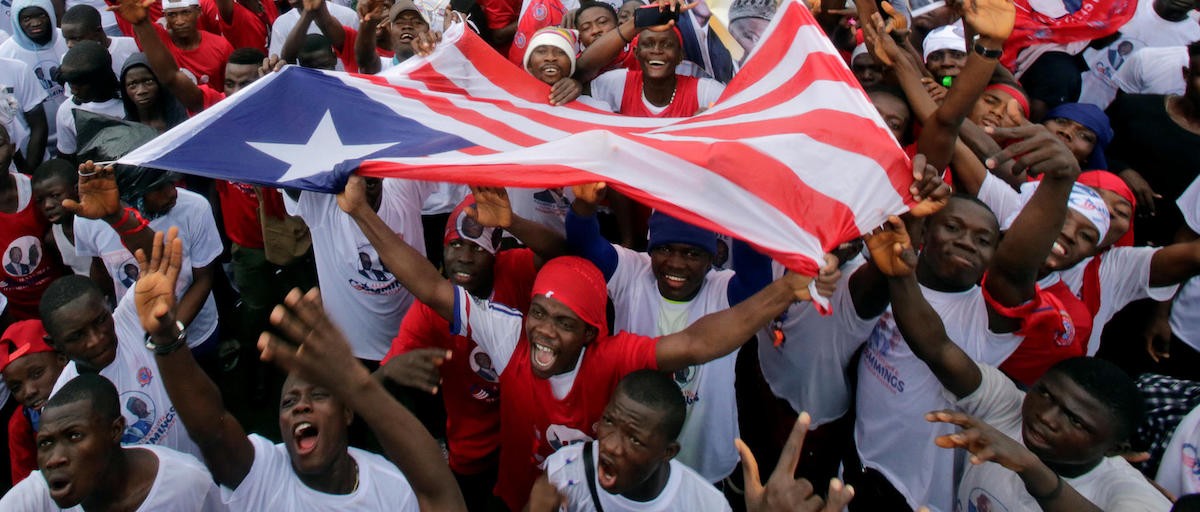
The Future of Democracy in Liberia: Navigating a Fragile Path Toward Sustainable Governance. Liberia stands at a pivotal crossroads, a nation that has emerged from the ashes of two brutal civil wars spanning 1989 to 2003 to become a beacon of post-conflict recovery in West Africa. Since the historic 2005 elections, which saw the inauguration of Ellen Johnson Sirleaf, Africa’s first elected female head of state, the country has successfully navigated three peaceful transitions of power. However, beneath the veneer of democratic stability lies a complex landscape of systemic challenges that threaten to erode the hard-won peace.
As we reflect on the state of the nation, it becomes clear that democratic consolidation in Liberia requires more than just the ritual of casting ballots; it demands a fundamental shift in governance, economic inclusivity, and the dismantling of deeply rooted patronage networks. The legacy of the civil war continues to cast a long shadow, reminding citizens that the stability of their democracy is not a guarantee but a continuous struggle. The institutional memory of the conflict serves as both a motivation to sustain peace and a stark warning of what occurs when democratic institutions fail. To understand the future of democracy in Liberia, we must first grapple with the pervasive culture of corruption that continues to plague the state.
Corruption in Liberia is not merely a series of isolated criminal acts; it is a structural impediment that defines how resources are allocated and how power is exercised. The 2021 Transparency International Corruption Perceptions Index, which ranked Liberia 150th out of 180 countries, provides a quantitative lens into the systemic rot that diverts public funds from critical services like healthcare, education, and road infrastructure. This lack of transparency alienates citizens, leading to a profound crisis of legitimacy. When state institutions—charged with the mandate to serve the public interest—are perceived as vehicles for personal enrichment, the social contract between the governed and the governors is severed.
The Liberia Anti-Corruption Commission (LACC), while a necessary legislative achievement, has frequently struggled with issues of independence, funding, and the political will to prosecute high-profile officials. Without robust, non-partisan oversight, the fight against graft will remain performative rather than transformative. Hand-in-hand with corruption is the specter of economic inequality, a structural injustice that predates the war but has been exacerbated by the current economic landscape. According to the World Bank, over 54% of Liberians live below the international poverty line.
This wealth gap is not merely a statistic; it is a catalyst for social fragmentation. In a nation where a significant portion of the population struggles to meet daily subsistence needs, the concept of a functional democracy can feel like an abstraction. When resources are concentrated among a political elite and a narrow segment of the business community, political power becomes transactional. Voters, desperate for short-term relief, often find themselves trapped in cycles of patronage, where their votes are bartered for immediate, meager rewards rather than long-term policy reform.
This dynamic stifles genuine political competition and cements the status quo, effectively silencing the voices of the marginalized. The issue of youth unemployment further complicates this fragile democratic environment. Liberia possesses one of the youngest populations in the world, a demographic dividend that could catalyze rapid growth if managed correctly. However, with youth unemployment rates hovering near 15% and climbing, this potential is currently being squandered.
When a young, energetic generation finds itself without access to the formal economy, it becomes vulnerable to exploitation and political manipulation. The frustration of these young people is not just a socio-economic problem; it is a national security concern. If democracy fails to provide them with the skills, dignity, and economic pathways they need to thrive, they may lose faith in the system entirely. Promoting entrepreneurship and vocational training, while important, will not suffice unless these initiatives are coupled with a broader strategy of economic diversification.
Liberia’s reliance on extractive industries, particularly rubber and iron ore, leaves the nation vulnerable to global commodity price fluctuations, which in turn renders its fiscal stability unpredictable and hinders sustainable development. Furthermore, we must address the significant gender disparity that continues to undermine the representative nature of our democracy. With a handful of women in the 103-seat House of Representatives and a mere single seat out of 30 in the Senate, the Liberian parliament is far from being a microcosm of the society it represents. Women were instrumental in ending the civil war; the Women of Liberia Mass Action for Peace movement remains a global symbol of civil society strength.
Yet, they remain largely locked out of the legislative halls where the future of the nation is decided. This is not a matter of talent or capacity; it is a systemic exclusionary process exacerbated by barriers to political financing, patriarchal social norms, and the harsh, often violent nature of local political campaigns. Empowering women through legislative quotas or internal party reforms is essential, not just for the sake of parity, but because studies consistently show that more inclusive governments prioritize social welfare, healthcare, and education—the very pillars of a resilient democracy. Looking toward the future, Liberia’s prospects are inextricably linked to its regional neighbors.
As a core member of ECOWAS, Liberia’s democratic health influences and is influenced by the regional struggle against the resurgence of unconstitutional changes of government. If Liberia can demonstrate that it can hold itself accountable, it strengthens the collective bargaining power of democracy in the sub-region. The optimism for the future rests on the growing activism of civil society and an increasingly informed electorate. The rapid expansion of digital media has provided new platforms for accountability, allowing citizens to bypass traditional media controls to demand transparency.
However, this also brings the risk of misinformation and the manipulation of public discourse, necessitating a focus on media literacy and the protection of journalists. To move forward, Liberia needs a paradigm shift. This begins with the enforcement of asset declaration laws for all government officials and the decentralization of power to local governments, moving authority away from Monrovia and closer to the citizens in the counties. It requires an investment in education that is aligned with the modern job market and a judiciary that is truly insulated from executive pressure.
We must also cultivate a political culture where opposition is viewed as a necessary component of governance rather than a threat to national stability. In conclusion, the trajectory of democracy in Liberia is neither fixed nor guaranteed. It is a work in progress, subject to the pressures of external economic forces and internal social tensions. While the progress made since 2003 is commendable, the state of our democracy is presently challenged by a corrosive mix of corruption, inequality, and institutional weakness.
The path forward is arduous, yet it remains achievable if the state commits to the principles of transparency, inclusive economic growth, and the dismantling of the exclusionary practices that have held the nation back for too long. By strengthening the integrity of our institutions and ensuring that the dividends of democracy reach the most vulnerable, Liberia can transition from a post-conflict success story to a thriving, mature democracy. The future of the country depends on the ability of its leaders to move beyond the politics of personality and toward the politics of public service, ensuring that the dreams of the post-war generation are finally realized in a stable and prosperous republic-built reality.



