
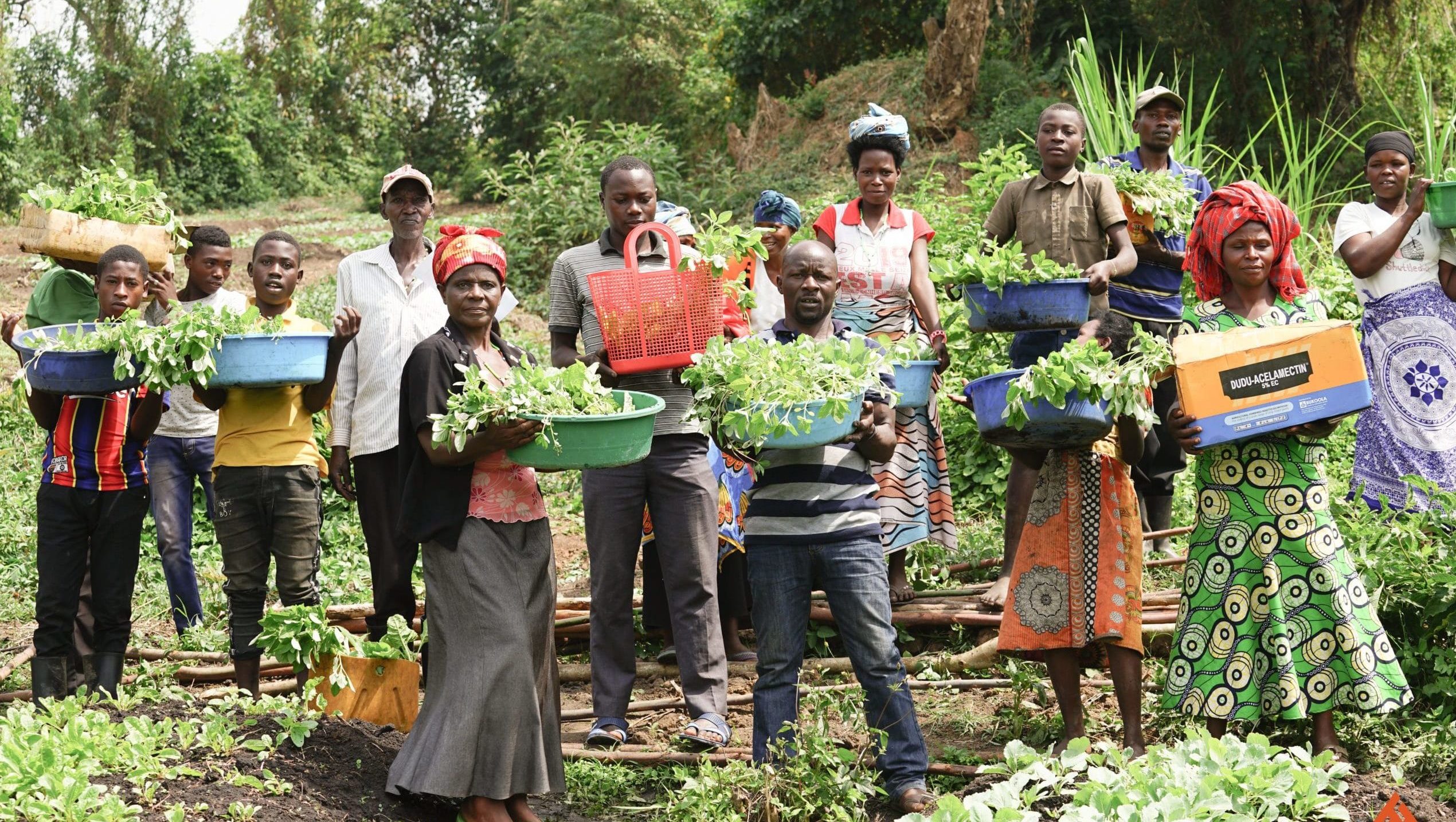
Smallholder agriculture serves as the fundamental bedrock of the Liberian economy, acting as the primary engine for sustenance, employment, and economic survival for a significant majority of the nation's population. In a country defined by its rich, fertile soil and vast agricultural potential, the paradox of persistent food insecurity and rural poverty remains a stark reality. According to data provided by the World Bank, the agricultural sector accounts for 72% of total employment within Liberia, while simultaneously contributing over 30% to the national Gross Domestic Product. Despite these impressive figures, the smallholder farmers who drive this productivity remain trapped in a cycle of subsistence farming, hampered by structural deficiencies, systemic neglect, and a lack of modern infrastructure.
To understand the plight of the Liberian farmer is to understand the history of the nation itself—a history of resource-based economic models that often favored large-scale concessions over the empowerment of local producers. Historically, Liberia’s economic architecture has been dominated by rubber and iron ore exports. While these sectors provide foreign exchange, they have historically left the rural hinterlands under-developed. For decades, post-colonial policy frameworks prioritized macro-economic stability through foreign investment, effectively sidelining the indigenous agricultural sector.
This created a dual-economy where modern, export-oriented plantations co-existed with primitive, low-yield subsistence farms, leaving the majority of Liberians vulnerable to global commodity price shocks and food supply chain disruptions. The challenges are not merely technical; they are deeply ingrained in the country’s socio-economic fabric. Central to this discussion is the pervasive lack of access to financial services. The International Finance Corporation reports that a mere 15% of the rural population has access to formal financial services.
This figure is staggering when one considers the capital-intensive nature of modern agriculture. Without collateral or formal credit history, smallholders are effectively excluded from the banking system. They cannot secure the loans necessary to transition from cutlass-and-hoe cultivation to mechanized farming, nor can they purchase high-quality inputs like improved seeds, fertilizers, or pesticides. This leads to a low-productivity trap: farmers produce only what they can consume or sell locally at low margins, which in turn prevents them from ever generating the surplus capital needed to reinvest in their operations.
This systemic financial exclusion is exacerbated by a lack of financial literacy and the absence of specialized agricultural lending products that account for the seasonality and inherent risks of the Liberian climate. Furthermore, the issue of market access continues to strangle the growth of the agricultural sector. As noted by the International Fund for Agricultural Development, the vast majority of Liberian smallholders operate within the informal market space. These informal networks, while essential for immediate survival, inherently offer lower prices and lack the stability of formal agricultural supply chains.
The inability to reach larger, more profitable markets is tied directly to the state of Liberia’s physical infrastructure. The lack of reliable all-weather roads is a national crisis that disproportionately affects farmers in counties like Lofa, Nimba, and Grand Gedeh. During the rainy season, large swathes of the country are effectively cut off, turning simple transit into an impossible journey. This leads to devastating post-harvest losses, as perishable crops rot in fields or warehouses due to the inability to transport goods before they spoil.
Storage facilities are virtually non-existent at the community level, forcing farmers to sell their harvests immediately after collection when market prices are at their lowest due to oversupply. This forced-sale dynamic is a major inhibitor of rural wealth creation, keeping households in a perpetual state of financial fragility. Beyond infrastructure and finance, we must consider the erosion of human capital. Liberia’s civil wars caused a massive migration from rural areas to urban centers, particularly Monrovia, depleting the agricultural labor force of its youth and skilled practitioners.
Today, the sector faces an aging demographic. Without robust agricultural extension services, knowledge transfer regarding climate-smart farming techniques, soil management, and crop diversification remains weak. The government of Liberia, in collaboration with international development partners, has made various attempts to revitalize the sector, yet these programs often suffer from inconsistency, lack of sustainable funding, and poor implementation at the local level. A transition toward sustainable, value-added agriculture requires a paradigm shift.
It is not enough to simply provide seeds and tools; there must be a holistic investment in the agricultural value chain. This begins with the empowerment of farmer organizations and cooperatives. By organizing, smallholders can achieve economies of scale, collectively negotiate for better prices, pool resources for shared machinery, and secure direct access to regional and international markets. The cooperative model is essential for lowering transaction costs and increasing the bargaining power of the individual farmer against powerful intermediaries.
Moreover, the focus must shift toward processing. Liberia continues to export raw materials while importing refined agricultural products. By investing in local processing plants—for palm oil, cocoa, rice milling, and cassava flour—the country can retain more value domestically, create agro-industrial jobs, and reduce its dangerous reliance on expensive food imports, which currently drain the national coffers. Economic and social implications extend far beyond the farm gate.
When the smallholder thrives, rural poverty decreases, nutrition levels improve, and the pressure on urban infrastructure in Monrovia is mitigated. Agriculture-led growth is the most efficient pathway to poverty reduction in a post-conflict, developing economy like Liberia. If the government truly intends to make agriculture a pillar of development, it must treat the sector with the same strategic priority as the extractive industries. This means integrating agricultural development into national budgeting, prioritizing the construction of farm-to-market roads, and creating an enabling environment for private sector investment that includes smallholders as partners rather than subordinates.
The regional context is equally important. Within the Economic Community of West African States (ECOWAS), Liberia has the potential to become a regional breadbasket. However, it currently struggles to compete with neighbors who have invested more heavily in irrigation and institutional support. The path forward is challenging but clear.
We must bridge the gap between policy rhetoric and field reality. This involves radical improvements in the legal framework regarding land tenure, which remains a source of conflict and uncertainty for many small farmers, and a deliberate focus on digital innovation to connect rural producers with market data and financial mobile services. Addressing these structural, financial, and logistical impediments is not merely an economic exercise; it is a moral imperative for a nation striving for sustainable independence. The resilience of the Liberian smallholder is immense; with the right systemic scaffolding, they are the only force capable of transforming Liberia from a country of potential to a nation of prosperity.
The call to action is for policymakers, civil society, and the private sector to move beyond acknowledging the problem to implementing long-term, scalable solutions that put the farmer at the center of the development agenda.


