
The ratification of the Liberty Corridor, a flagship initiative centered on the Ivanhoe Atlantic concession, has emerged as the most consequential legislative event in Liberia since the conclusion of the second civil war. For President Joseph Boakai, this project is not merely an infrastructure undertaking; it is a high-stakes gamble that seeks to redefine Liberia’s relationship with international capital, foreign partners, and the regional economic architecture of West Africa. As it sits before the Liberian Legislature, the agreement has become a litmus test for the Boakai administration’s credibility, forcing a national conversation about the efficacy of U.S.
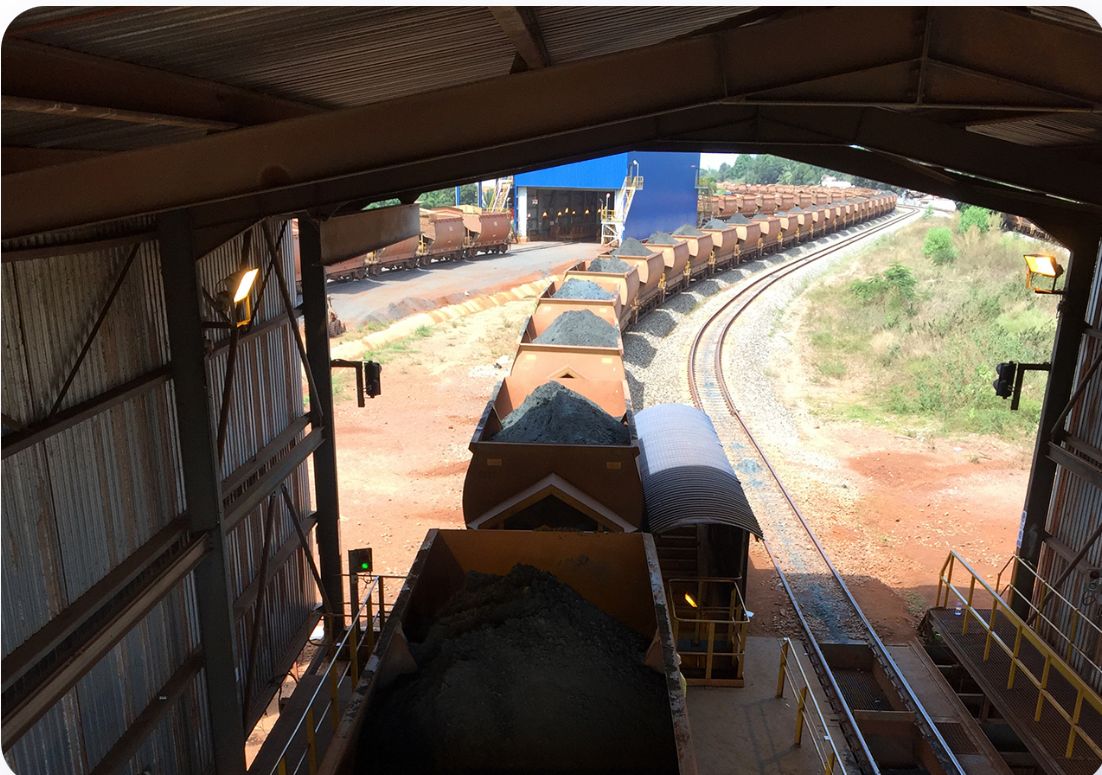
-backed commercial diplomacy in an era of intense geopolitical rivalry. The Liberty Corridor serves as the centerpiece of Washington’s strategic pivot toward Africa, an attempt to prove that American-led private investment can offer a more transparent and sustainable alternative to the opaque, debt-heavy models that have characterized regional development over the past two decades. However, for the citizens of Liberia, the memory of past concessions—often defined by extraction, environmental degradation, and limited local benefit—casts a long shadow over the promise of this multibillion-dollar venture. The Ivanhoe Atlantic deal represents a radical departure from the status quo, effectively ending the long-standing monopolistic grip of global steel giant ArcelorMittal on Liberia’s vital transport arteries, specifically the Yekepa–Buchanan railway corridor.
By transitioning this infrastructure to a multi-user model, the government hopes to unlock the potential of Guinea’s massive, underutilized iron ore deposits, positioning Liberia as an indispensable logistical gateway. This transformation involves extensive rail rehabilitation, the construction of a state-of-the-art port terminal, and the creation of regional logistics hubs. The economic logic is clear: by facilitating the transit of Guinean minerals, Liberia secures a steady stream of transit fees and economic activity that could potentially lift the nation’s 5 billion dollar GDP to new heights. Yet, the road to ratification is paved with deep-seated political skepticism.
The Legislature’s scrutiny of the deal has become a theater of democratic maturation, where lawmakers are increasingly pressured by an informed and vocal electorate to demand transparency. This public vigilance is a reaction to decades of 'resource curse' politics, where contracts were signed in secrecy, leaving host communities impoverished while corporate partners reaped outsized returns. The historical context of the Yekepa railway itself serves as a reminder of these cycles; once the lifeline of the LAMCO mining operations in the 1960s, the rail has been a site of both immense promise and profound disappointment. Today, as President Boakai promises thousands of new jobs and the emergence of Buchanan as a supply-chain juggernaut, citizens are asking a fundamental question: who truly owns the future of this infrastructure?
The project’s resonance extends far beyond Monrovia’s borders. In Washington, the Liberty Corridor is viewed through the lens of a renewed 'America First' commercial agenda, which seeks to counter the expansion of Chinese influence, particularly the massive investments Beijing has funneled into Guinea’s Simandou mining project. For U.S.
strategists, the Corridor is an instrument of supply-chain security, designed to ensure that critical minerals necessary for the global green transition are moved through frameworks governed by Western legal and environmental standards. The U.S. State Department’s focus on 'commercial diplomacy' is essentially a bid to prove that a rules-based system, backed by U.
S.-rooted capital, is more resilient and beneficial than the state-led lending practices preferred by China. By embedding the Liberty Corridor within this framework, the U.S.
is not just investing in tracks and trains; it is attempting to set a new standard for development in West Africa. The regional implications are equally significant. Guinea, holding one of the world's largest untapped iron ore reserves, is watching Liberia’s legislative process with bated breath. If the deal goes through, it will fundamentally alter the power dynamics in the Mano River Union, potentially creating a new economic corridor that links the Guinean hinterland with the Atlantic coast in a manner that bypasses existing, less efficient regional routes.
However, regional stability remains a variable. The success of the corridor relies heavily on cross-border cooperation and the maintenance of peaceful relations between Monrovia and Conakry, a relationship that has been historically complex. The economic data presents a compelling, if complex, case. With mining currently accounting for over 60 percent of Liberia’s exports, the nation’s over-reliance on a single sector is a systemic risk that the Liberty Corridor seeks to mitigate, not by diversifying away from mining, but by leveraging it to build permanent, multi-purpose infrastructure.
Projections suggesting 15 to 30 million metric tons of iron ore export capacity per year, if sustained, could reshape the fiscal landscape of the country. But for these numbers to translate into tangible social progress—improved schools, health clinics, and community infrastructure—the government must navigate the tension between the immediate needs of the population and the long-term horizons of international investors. The Boakai administration must prove that it can secure a fair share of the value chain. This means moving beyond the 'royalty' model and ensuring that Liberian businesses, labor, and technology providers are integrated into the corridor's operational lifecycle.
Furthermore, the environmental and social costs associated with such massive infrastructure projects cannot be ignored. The potential for displacement, land rights disputes, and ecological impact on the corridor's path requires a level of regulatory oversight that Liberia is only now beginning to institutionalize. As the legislative debate continues, the Ivanhoe Atlantic deal stands as a mirror reflecting the aspirations and anxieties of a nation attempting to leapfrog from a post-conflict recovery phase to a period of industrial maturity. It is a defining moment for the Boakai presidency, an administration that campaigned on the promise of 'Rescue' but now faces the reality of global market volatility and the challenge of managing expectations in an impatient democracy.
The ultimate test will not be whether the railway is built, but whether the 'Liberty' in the Liberty Corridor refers to the freedom of Liberians to benefit from their own national assets, or whether it remains a moniker for yet another foreign-controlled entity. As Washington watches, and as the regional powers calculate their next moves, the Liberian Legislature holds the keys to a transformative future. The decision they reach will dictate whether this 'big bet' pays dividends for the people of Liberia or serves as a cautionary tale in the annals of African resource management. If the deal is ratified, it must be supported by an ironclad commitment to transparency and a legal framework that treats local impact as a primary metric of success, rather than an afterthought.
If it fails, the consequences for Liberia’s investment climate could be chilling, deterring future investors and cementing the perception of the country as a high-risk jurisdiction. In the final analysis, the Liberty Corridor is a bold experiment in modern statecraft. It is an effort to align national development goals with the strategic interests of the world’s greatest superpower, all while attempting to satisfy the democratic demands of a citizenry that is no longer content with empty promises. The project represents a fundamental shift toward an open, market-driven, and rules-based infrastructure network, marking a potential turning point in the history of West African trade and integration.
Whether this gamble results in a prosperous, interconnected Liberia or merely preserves the old extractive order remains to be seen. The eyes of the world are now fixed on Monrovia, as a nation decides its own trajectory in the shadow of giants.
