
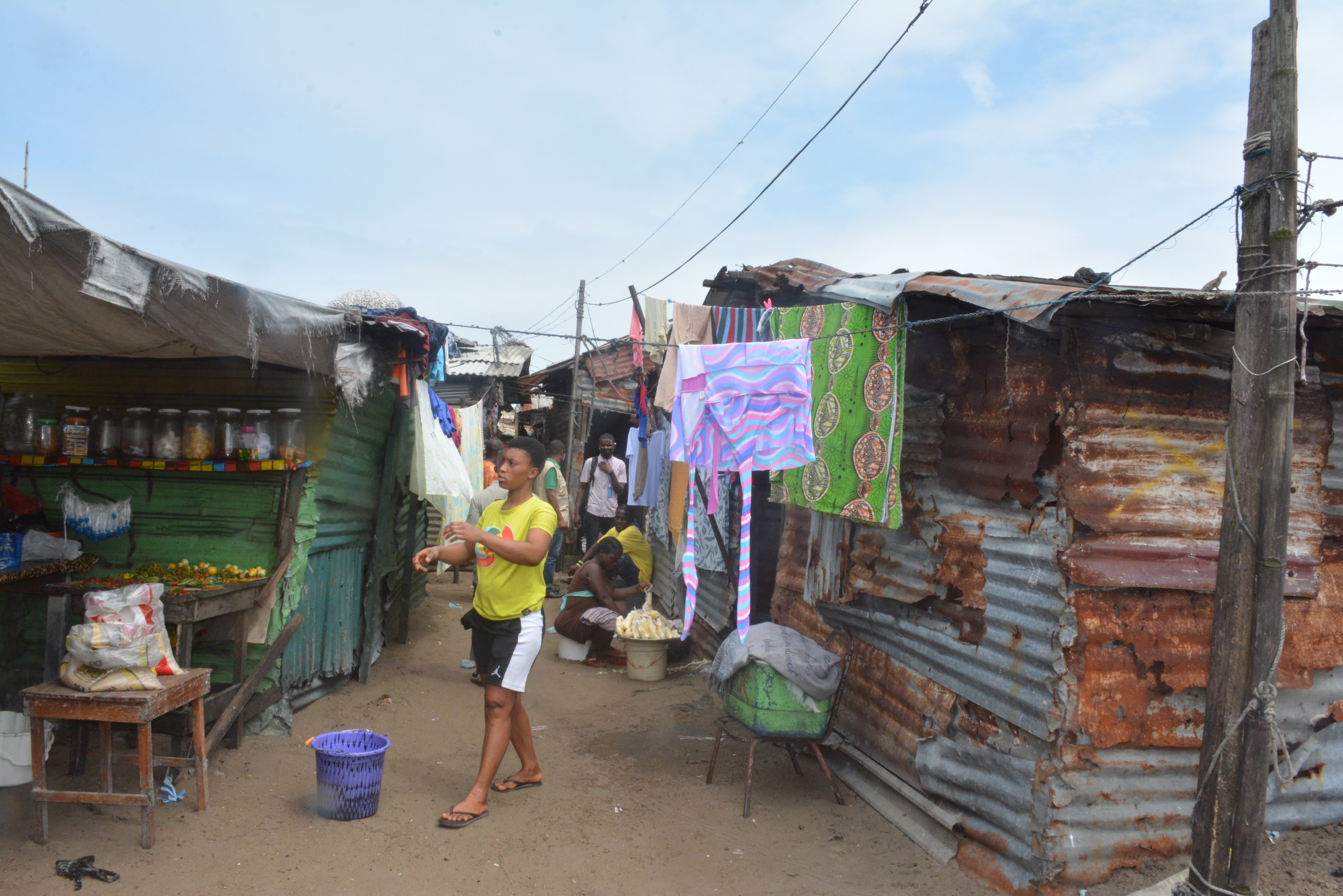
The Republic of Liberia, a nation founded on the aspirations of liberty and self-governance, currently finds itself entangled in a profound paradox. Despite its vast natural resources, including iron ore, rubber, timber, and significant agricultural potential, the country remains entrenched in a cycle of persistent poverty and stark income inequality. Data from the World Bank paints a sobering portrait: as of 2019, the national poverty rate stood at 50.9%.
This figure is not merely a statistical abstraction but a reflection of the daily struggle faced by millions of Liberians, particularly those residing in the neglected hinterlands. When viewed against the backdrop of a GINI coefficient that has oscillated between 35.3 and 44.6 in recent years, it becomes evident that the divide between the affluent few and the impoverished majority is not only wide but structurally reinforced.
This article explores the historical, socio-economic, and structural dimensions of these twin challenges and proposes the path forward for a more inclusive Liberian economy. To understand the current economic malaise, one must first confront the historical trajectory of the nation. Liberia’s history is defined by a dichotomy between the urban center, Monrovia, and the rest of the country. For decades, the political economy was characterized by an enclave model, where wealth extracted from natural resources benefited a small elite while failing to foster broader industrialization or human capital development.
The two brutal civil wars between 1989 and 2003 shattered what little infrastructure existed, decimated public institutions, and displaced millions, creating a legacy of intergenerational poverty. The post-conflict reconstruction era, while successful in restoring basic governance, struggled to translate peace into broad-based prosperity. The urban-rural divide remains the most visceral manifestation of this failure. In rural areas, where the majority of the population relies on subsistence farming, poverty rates significantly exceed those in Monrovia.
This disparity is fueled by a lack of feeder roads, inadequate access to regional markets, and the absence of modern agricultural technology. When a farmer in Lofa or Grand Gedeh cannot transport their produce to the capital before it spoils, the potential for wealth creation is effectively neutralized. Consequently, rural households remain trapped in a survivalist loop, unable to accumulate the capital necessary to invest in education or health. The root causes of this inequality are deeply structural.
Education serves as the most critical pillar for upward mobility, yet Liberia continues to face a crisis of access and quality. According to World Bank data, only approximately 15% of the adult population has completed secondary education. This low attainment level creates a massive skills gap, rendering a large portion of the workforce unemployable in a modernizing economy. Without the requisite training, young Liberians are excluded from high-productivity sectors, forcing them into the informal economy where wages are stagnant and job security is non-existent.
Furthermore, the reliance on a narrow base of extractive industries means that the national economy is highly vulnerable to global commodity price shocks. When iron ore or rubber prices plummet on the international market, the immediate impact is felt in the national budget, leading to cuts in social services that disproportionately harm the poor. The social and political implications of such entrenched inequality cannot be overstated. A society where the benefits of growth are concentrated at the top is inherently fragile.
When large segments of the population feel excluded from the promise of democracy and economic participation, the result is often social disillusionment, which can act as a catalyst for instability. The perception of systemic corruption, where state resources are perceived to be diverted to benefit political cronies, further exacerbates this resentment. The challenge is not just economic; it is a crisis of confidence in the state’s ability to act as an impartial arbiter of opportunity. The ripple effects of this poverty cycle are visible in every sector of Liberian life.
Poverty inhibits access to healthcare, which leads to lower life expectancy and reduced worker productivity. It perpetuates high fertility rates, as families view more children as a form of social security, which in turn strains already limited public services. This is a classic poverty trap, and breaking it requires more than just incremental adjustments; it necessitates a fundamental reorientation of the national development agenda. Addressing these challenges demands a multi-pronged approach that transcends political cycles.
Firstly, the government must prioritize infrastructure that connects the rural productive sector to urban markets. Roads are the lifeblood of commerce; without them, the agricultural potential of our counties remains locked away. Secondly, there must be a radical transformation in the education sector. This involves not just building schools, but ensuring that curricula are aligned with the demands of the 21st-century workforce, focusing on technical and vocational training that can provide immediate entry points into the labor market for the youth.
The role of the private sector is equally paramount. The government must move away from a reliance on large-scale concessions—which often operate as 'enclave' economies with limited linkages to the local market—and instead focus on empowering Small and Medium Enterprises (SMEs). SMEs are the engines of job creation in every functioning economy. By reducing the regulatory burden, improving access to micro-credit, and fostering an environment of legal predictability, the state can unleash the dormant entrepreneurship of the Liberian people.
Furthermore, the issue of institutional weakness and corruption must be tackled with unwavering political will. Transparency in the management of natural resource revenues is essential. If the wealth generated from our soil does not visibly manifest in improved hospitals, schools, and utility services, public trust will continue to erode. Strengthening the judiciary, the Auditor General’s office, and other oversight institutions is not merely a bureaucratic requirement; it is a prerequisite for economic development.
International partners play a supportive role, but the agency for change rests with the Liberian leadership and its citizenry. The narrative of poverty in Liberia should not be one of inevitability. Other nations in the sub-region have faced similar historical ruptures and managed to chart a path toward middle-income status. Achieving this requires moving beyond rhetoric to a focused, sustained implementation of policy.
It requires a government that views every citizen, whether in the heart of Monrovia or the remote villages of River Gee, as an economic actor deserving of opportunity. In conclusion, the struggle against poverty and income inequality is the defining challenge of our time. It is a battle for the very soul of the republic. If Liberia is to thrive, it must dismantle the structures that favor the few and replace them with a framework that democratizes access to land, capital, and quality social services.
We must foster an environment where the child of a subsistence farmer has the same mathematical probability of success as the child of a high-ranking official. This vision is not idealistic; it is a practical necessity for national survival. Through aggressive investment in human capital, the formalization of the informal sector, and an uncompromising commitment to transparent governance, Liberia can turn the page on its history of disparity and begin a new chapter of inclusive, sustainable, and shared prosperity.
