
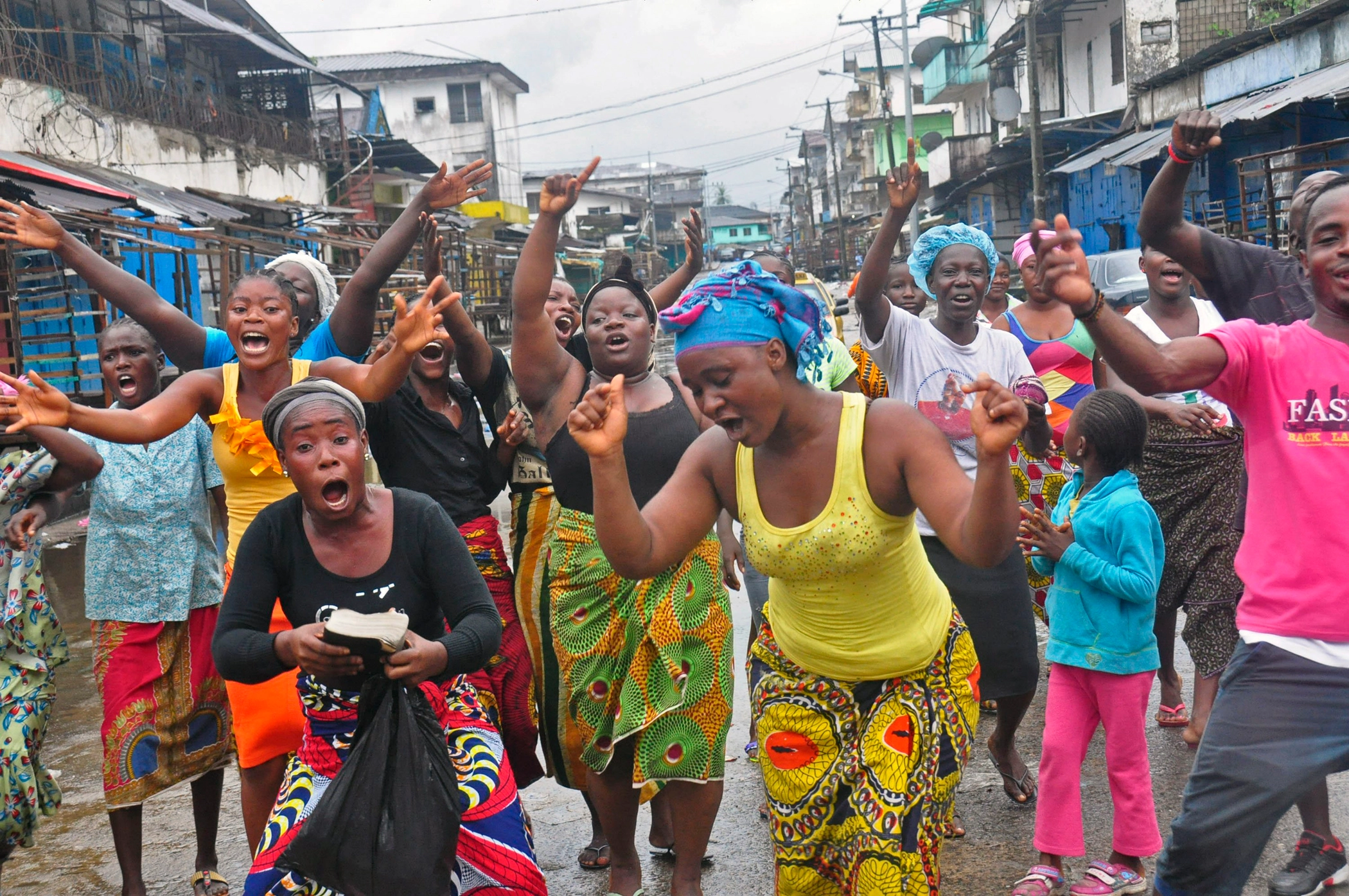
Liberia’s political landscape is chronically characterized by a deep-seated polarization that transcends mere partisan disagreement, manifesting instead as a fundamental fracture within the national fabric. This persistent division has, throughout the nation’s modern history, served as a catalyst for instability and violent conflict. To understand the current trajectory of the Liberian state, one must critically analyze the deep-rooted causes of this polarization, its debilitating effects on institutional development, and the arduous, yet necessary, pathways toward reconciliation and unity. The origins of Liberia’s political friction are not merely products of the post-conflict era, but are deeply intertwined with its historical identity.
Established in 1847, Liberia was founded on a complex socio-political hierarchy between the settler elite—the Americo-Liberians—and the indigenous populations. This structural dichotomy created early power imbalances that have mutated over decades into modern political factionalism. The primary engine of this polarization remains ethnic and regional identity. With over 16 distinct ethnic groups, the competition for the state’s limited resources and centralized political power has frequently been mediated through an ethnic lens.
When political access is viewed as a zero-sum game, where the victory of one group implies the marginalization of others, the incentive structure favors exclusionary politics. This phenomenon is exacerbated by the structure of Liberia’s political parties. Many of these organizations are not built upon ideological foundations—such as fiscal policy, social welfare, or industrial development—but are instead built as patronage networks around dominant regional figures or specific ethnic demographics. Consequently, these parties function as vehicles for tribal or regional interest rather than as engines for national progress.
This entrenchment is further fortified by the role of the media. In a landscape where advertising revenue is scarce, media houses often rely on political sponsorship for survival. The result is a highly fragmented media environment where outlets act as echo chambers, frequently disseminating inflammatory rhetoric or unsubstantiated claims to serve the interests of their benefactors. This creates an environment where citizens are isolated from objective facts, further hardening perceptions and deepening the hostility between divergent groups.
The consequences of this polarization are profound and historical in their scope. The most visceral reminder of these divisions is the brutal civil war that ravaged the nation from 1989 to 2003. This conflict, while fueled by various socio-economic grievances, was largely mobilized along the lines of ethnic and political affiliation. The resulting humanitarian catastrophe—which claimed an estimated 250,000 lives and decimated the country’s physical and social infrastructure—serves as a grim testimony to the cost of unchecked political hatred.
Beyond the loss of life, the institutional erosion caused by polarization has left a legacy of institutional distrust. When citizens view the judiciary, the legislature, and the executive through the lens of party loyalty rather than civic duty, the entire concept of the rule of law is undermined. This leads to a state of perpetual governance paralysis where meaningful policy reform is stalled by factional gridlock. From an economic perspective, this political uncertainty is devastating.
Foreign direct investment, which Liberia desperately needs to modernize its agricultural sector and infrastructure, is highly sensitive to political instability. Investors prioritize stable jurisdictions where policy is predictable and contract enforcement is assured. When legislative bodies are perpetually locked in partisan warfare, the legislative output—essential for creating a business-friendly environment—becomes minimal. This leads to capital flight and stagnation, as potential investors bypass the nation in favor of more politically stable regional neighbors.
Moreover, when political loyalty is prioritized over technical competence, the public sector suffers from systemic corruption and the mismanagement of resources. The ‘big man’ politics that define the regional power structure often prioritize cronyism, where key positions are filled to appease ethnic or political power bases rather than to drive economic efficiency. This inhibits innovation, suppresses the development of a professional civil service, and traps the country in a cycle of underdevelopment. Addressing such a deeply entrenched problem requires a radical shift in the national consciousness.
A sustainable solution must begin with the promotion of national values that transcend the parochial interests of tribe and region. This necessitates a comprehensive national dialogue, not merely between elite political figures, but across the grassroots level of society. Investment in infrastructure—such as roads connecting historically isolated counties to the capital—is not just an economic imperative; it is a vital tool for national integration. When people can interact, trade, and exchange ideas across regional borders, the myths that sustain ethnic prejudice begin to dissolve.
Furthermore, the reform of political parties is non-negotiable. Legislation should be strengthened to require political parties to demonstrate true national reach in their membership and their governance structures, effectively banning parties that function as regional or ethnic fiefdoms. Internal party democracy must be incentivized to move the focus away from the cult of personality toward platforms of national governance. The media landscape also requires structural intervention.
While maintaining the freedom of the press is essential, the introduction of stricter standards for ethical reporting and the fostering of independent, non-partisan journalism platforms is critical. Initiatives such as national media literacy campaigns can empower citizens to identify and reject disinformation, which is often used as a weapon to stir up inter-communal animosity. Accountability mechanisms, such as an empowered and independent Anti-Corruption Commission and a transparent budgetary process, are also necessary to ensure that public resources are used for the collective good rather than private gain. When citizens see that their government is working effectively for everyone, the impulse to retreat into ethnic political enclaves is significantly reduced.
In conclusion, the challenges posed by political polarization in Liberia are existential. The history of the nation shows that when political differences are allowed to fester into deep-seated grievances, the cost is paid in blood and lost generations. Moving forward, the goal must be to transition from a political culture of exclusion to one of inclusion. This involves the difficult work of dismantling patronage systems, fostering a culture of objective journalism, and committing to policies that prioritize the stability and growth of the nation as a singular entity.
Liberia stands at a crossroads; by prioritizing unity, transparency, and the common interest, it can transform its political landscape into a foundation for a prosperous and truly democratic future. This shift requires the participation of every Liberian, from the civil society activist and the journalist to the business leader and the ordinary citizen, all working in concert to ensure that the politics of the future are defined by national vision rather than the divisions of the past.



