
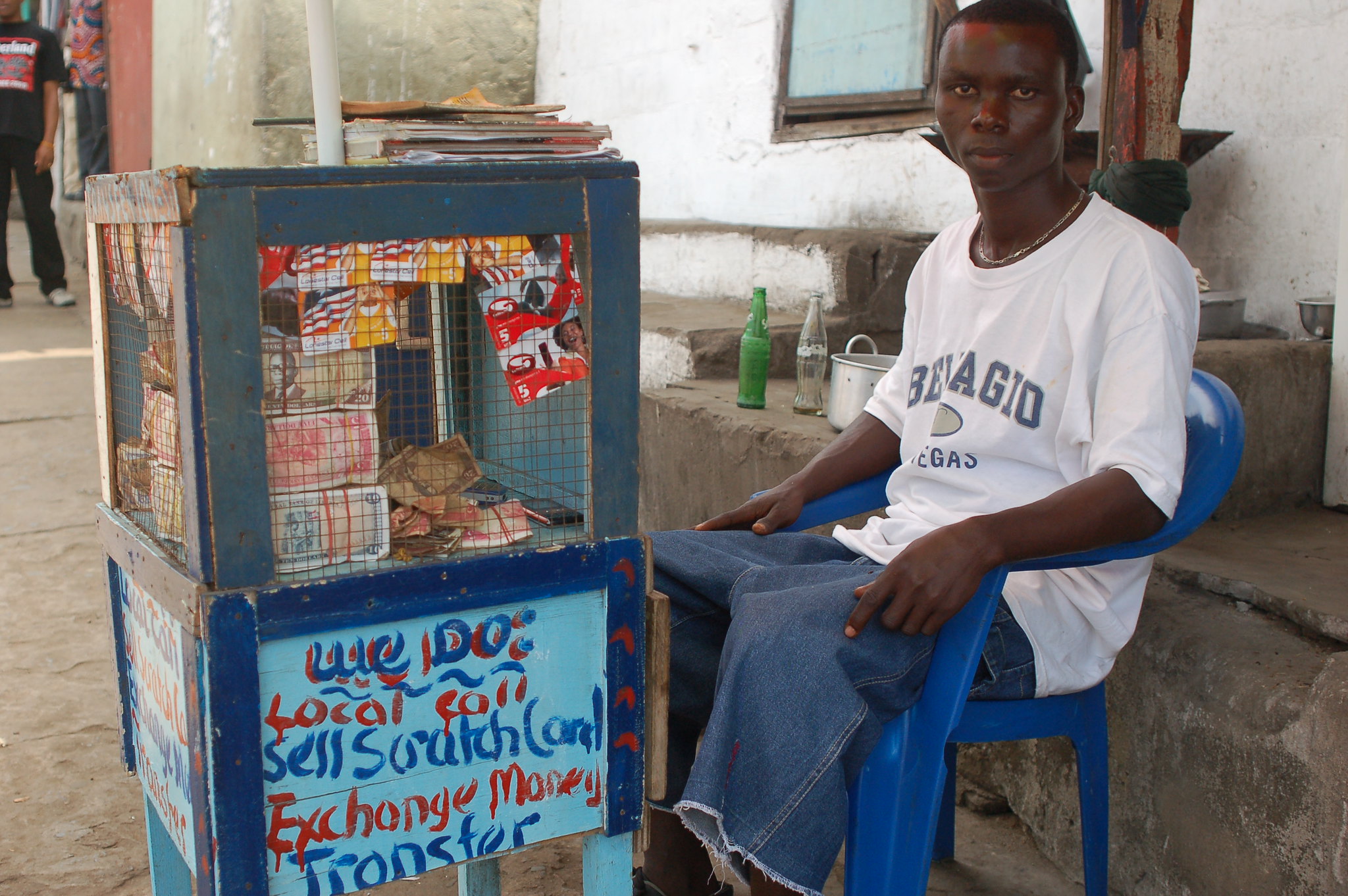
Liberia, a nation defined by its resilience and post-conflict reconstruction, stands at a pivotal juncture in its digital evolution. Despite significant strides since the end of the civil war, the level of mobile phone penetration in the country remains troublingly low. With just over half of the population owning a mobile phone, Liberia lags considerably behind the regional average for sub-Saharan Africa, where over two-thirds of the population now enjoy consistent mobile connectivity. This digital divide is not merely a matter of convenience; it represents a significant barrier to economic growth, social inclusion, and the effective delivery of essential services. For a country striving to achieve the objectives of its Pro-Poor Agenda for Prosperity and Development (PAPD), the limited reach of telecommunications is a structural bottleneck that demands urgent, coordinated attention from both the government and private sector stakeholders.
To understand the gravity of this situation, one must look at the broader regional and historical context. Sub-Saharan Africa has long been hailed as a mobile-first continent, where technology has leapfrogged traditional physical infrastructure. In countries like Kenya, Nigeria, and Rwanda, mobile phones have revolutionized banking, agriculture, and government service delivery. In Liberia, however, the journey has been far more stuttered. The legacy of the 14-year civil conflict, which devastated infrastructure and eroded public trust in institutional stability, continues to cast a long shadow over modern development. While neighbors have utilized telecommunications to accelerate poverty reduction, Liberia's penetration rate, currently hovering around 55 percent, signifies that nearly half of the citizenry remains digitally marginalized, excluded from the expanding global information economy.
Economic and social implications of this stagnation are profound. Mobile phones serve as the primary gateway to mobile financial services—a vital lifeline in a country where traditional banking reaches only a fraction of the population. Without access to mobile money, a significant segment of the rural population remains trapped in informal economies, unable to engage in digital commerce or access secure savings and credit mechanisms. Furthermore, the lack of mobile penetration hampers the digitization of government services. When the state cannot effectively communicate with its citizens through digital platforms, transparency, tax collection, and the distribution of social support become significantly more difficult. In essence, the lower-than-average penetration acts as a drag on the nation's GDP, limiting the scalability of local e-commerce startups and hindering the growth of a robust digital service sector.
Several systemic factors contribute to this low penetration, creating a cycle of exclusion that is difficult to break. Chief among these is affordability. Despite the global decline in hardware prices, a smartphone still represents a major capital expenditure for the average Liberian household. When daily survival is the priority, the cost of a device and the recurrent expenses of airtime and data become prohibitive. This economic challenge is compounded by severe infrastructure deficits. In many parts of Liberia, especially in the interior, there is no reliable electricity to charge devices, and even where power exists, the coverage of mobile network operators is often spotty or non-existent. A phone is only as useful as the network that powers it, and the lack of tower infrastructure in remote regions remains a major deterrent for both operators and consumers.
Regulatory challenges further complicate this landscape. The telecommunications sector in Liberia, while relatively liberalized, still faces high barriers to entry and operation. Import taxes and customs duties on mobile devices and technical equipment inflate prices, effectively taxing the very tools needed for national development. Moreover, a lack of robust competition in certain corridors limits the downward pressure on service costs. When consumers are faced with high data prices, they are less likely to maintain active subscriptions, resulting in the high 'churn rate' often seen in the local market. For the regulatory authorities, the balance between generating revenue through taxation and fostering an inclusive digital ecosystem remains a delicate and contested issue.
Despite these formidable hurdles, the potential impact of closing this gap cannot be overstated. Consider the lessons learned during the 2014-2015 Ebola crisis. During that dark period, mobile technology emerged as a critical instrument for survival. It enabled rapid contact tracing, facilitated immediate community awareness campaigns, and ensured that health workers in the remotest corners of Lofa or Grand Cape Mount could communicate with central command. This experience demonstrated that mobile connectivity is not a luxury; it is a critical component of national security and public health infrastructure. If the penetration rate were closer to the continental average, the efficiency of response mechanisms for future emergencies—ranging from pandemics to natural disasters—would be vastly enhanced.
Data from 2021 highlights the severity of the gap: while Liberia maintains a 55 percent mobile penetration rate, the sub-Saharan average stands at a robust 78 percent. Even more concerning is the internet access rate, which languishes at only 6 percent of the population. This statistic exposes the deep digital divide; even those who own phones are often limited to basic voice and SMS capabilities, lacking access to the transformative power of the mobile internet. In an age where education and job markets are increasingly moving online, this lack of internet utility severely limits the potential for young Liberians to participate in the global digital economy. The telecommunications sector, while currently accounting for approximately 5 percent of Liberia's GDP and employing over 5,000 people, is severely underperforming relative to its potential.
There is a glimmer of optimism, however. In 2021, the market showed signs of resilience, with a 10 percent growth in subscribers. This upward trajectory is driven by the decreasing cost of basic mobile handsets and the aggressive, albeit gradual, expansion of tower networks into rural counties. As mobile operators face saturation in urban centers like Monrovia, they are increasingly forced to look toward the interior as the next frontier for growth. This push for market share is a positive development for consumers, as it incentivizes the reduction of tariffs and the introduction of more flexible, low-cost service packages designed for the bottom-of-the-pyramid demographic.
To bridge this divide, a multifaceted approach is required. First, the government must revisit the tax structure on digital devices. Removing import duties on entry-level smartphones and solar-powered charging equipment would be a massive step toward improving affordability. Second, public-private partnerships should be prioritized to subsidize infrastructure expansion in underserved areas. Using a 'universal service fund' model, the government can provide incentives for operators to build towers where commercial viability is currently low. Third, digital literacy campaigns are essential. Access to technology is only half the battle; ensuring that citizens, particularly in rural and illiterate communities, have the skills to navigate the digital world is equally important for long-term integration.
Ultimately, the goal is to transform the mobile phone from a mere communication tool into a foundational pillar of the Liberian economy. By addressing the barriers of poverty, infrastructure, and regulation, Liberia can unlock massive potential for growth. Whether it is a farmer in Nimba County using mobile banking to receive payments, or a student in a remote village accessing global educational resources, the proliferation of digital access is the surest path toward equitable development. The transformation is possible, but it requires a strategic, unified vision that recognizes telecommunications not just as a business sector, but as an indispensable utility for 21st-century statehood. The path ahead is challenging, yet the necessity of a connected Liberia has never been more evident.
