
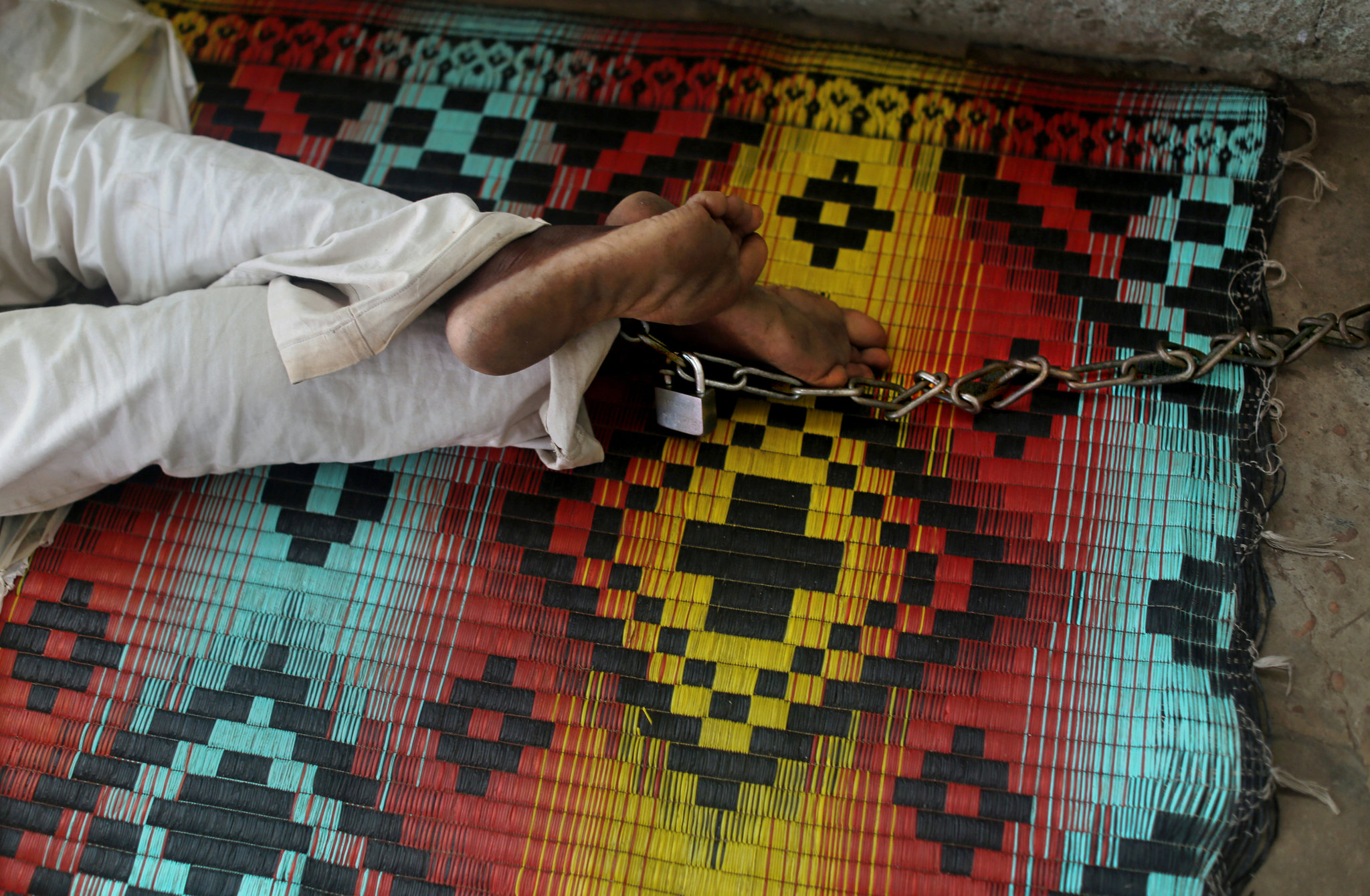
Mental Health In Liberia: A Silent Crisis Beneath the Surface. Liberia, a nation characterized by its resilience and enduring spirit, stands at a critical crossroads regarding the mental well-being of its population. Like many other nations across the African continent, Liberia faces a burgeoning, often overlooked demand for comprehensive mental health services. According to the World Health Organization (WHO), mental disorders account for an alarmingly significant burden of disease in Liberia, with depression standing out as one of the leading causes of disability.
Despite this staggering reality, the current infrastructure for mental health care remains fundamentally limited, with only a handful of psychiatrists and trained mental health professionals tasked with supporting a population of millions. This disparity between the prevalence of need and the availability of care forms the bedrock of a silent public health crisis that threatens to undermine Liberia’s long-term social and economic development. To understand the depth of this crisis, one must first look at the unique historical trajectory of the Liberian state. Liberia is a country defined by a long, arduous history of conflict, political instability, and systemic trauma that has left indelible marks on the collective psyche of the Liberian people.
The two brutal civil wars that spanned from 1989 to 2003 served as a profound catalyst for widespread psychological distress. These conflicts were not merely periods of political upheaval; they were eras defined by unimaginable violence, including systematic murder, sexual violence, forced recruitment of child soldiers, and widespread torture. The displacement of millions, combined with the loss of family networks and the destruction of traditional societal structures, created a generational trauma that has yet to be fully addressed. When the guns finally fell silent, the process of healing the nation’s mental scars was largely neglected, as the immediate priorities were naturally directed toward economic reconstruction and the restoration of basic governance.
Compounding this historical trauma was the harrowing experience of the 2014-2016 Ebola virus epidemic, a public health crisis that paralyzed the nation. The epidemic claimed the lives of more than 4,800 Liberians and instilled a deep-seated culture of fear, social isolation, and anxiety. During the outbreak, the traditional Liberian reliance on communal support and physical closeness was fractured by the necessity of quarantine and the fear of transmission. The trauma of losing loved ones, often without the dignity of traditional burial rites, added a layer of unresolved grief that continues to ripple through families today.
The convergence of these historical and contemporary traumas has created a surge in demand for professional mental health support, yet the current institutional landscape remains woefully inadequate. The availability of mental health services in Liberia is, quite frankly, insufficient. While the nation boasts a few facilities nominally designated as mental health institutions, these are almost entirely concentrated within the capital city of Monrovia. This centralization creates a vast disparity between the urban elite and the rural poor, who constitute a large majority of the population.
While there have been minor efforts to establish outreach clinics in more remote counties, these facilities are perpetually plagued by severe understaffing and chronic underfunding. Consequently, a vast majority of Liberians suffering from mental health disorders reside outside the reach of formal care. For many, the barriers to access are two-fold: a lack of knowledge regarding the existence of available services and the prohibitive costs associated with seeking help, even in cases where facilities are theoretically open to the public. Beyond mere physical access, the quality of care provided is deeply concerning.
The limited number of mental health professionals currently working in the sector are often pushed to the point of burnout, serving a patient population that far exceeds their capacity to provide effective, long-term therapeutic interventions. These practitioners are frequently underpaid, working within a system that lacks modern diagnostic equipment, consistent supplies of essential psychotropic medications, and established clinical pathways. Many professionals are forced to operate without adequate training in trauma-informed care, limiting their ability to treat the complex, multi-faceted conditions that arise from Liberia’s unique history of war and epidemic. This clinical deficiency is worsened by the pervasive, suffocating stigma surrounding mental illness in Liberia.
In many communities, mental disorders are still not understood through the lens of modern clinical psychology. Instead, they are often attributed to supernatural causes, such as possession by evil spirits, curses, or moral failings. This perception turns the sufferer into a social pariah, leading to the ostracization of patients and, in extreme cases, the shackling or abandonment of individuals suffering from severe psychological distress. The lack of public awareness is a critical systemic failure.
Many citizens remain unaware that conditions like anxiety, depression, and PTSD are physiological and psychological health conditions that require, and respond to, medical treatment. This persistent lack of awareness feeds a cycle of shame, ensuring that individuals hide their symptoms until their conditions reach a state of crisis, at which point the potential for effective intervention is significantly diminished. The socioeconomic implications of this crisis are profound. A nation cannot thrive if a significant portion of its citizenry is suffering from untreated trauma.
Mental health issues directly impede productivity, educational attainment, and the capacity for family stability. As Liberia seeks to build its post-war economy and strengthen its democratic institutions, it must recognize that human capital is its most valuable asset. Failing to address mental health is, in effect, a failure to secure the future of the nation. It is clear that the lack of mental health services is not a standalone issue but a result of a complex interplay between limited public sector funding, deteriorating infrastructure, and deeply ingrained cultural stigmas.
While both the government and a courageous coalition of non-profit organizations have begun to initiate programs to improve access and raise community awareness, the current pace of reform is too slow. Much more is required to dismantle the structural barriers to care. We must move beyond superficial awareness campaigns and invest in the systemic training of community health workers who can bridge the gap in rural areas, advocate for the integration of mental health into the primary healthcare system, and commit to sustained, multi-year funding for mental health infrastructure. The data provided by the World Health Organization confirms that mental disorders are a heavy burden on our country, but statistics alone do not capture the human cost.
Depression is a leading cause of disability, yet it is a treatable condition. With the right investment in policy, training, and education, Liberia can transform its approach to mental health. The pathway forward requires a holistic strategy that balances top-down policy reform with bottom-up community education. We must transform the conversation from one of fear and superstition to one of science, empathy, and healing.
The journey toward a healthier Liberia is long, but it is one that must be walked with urgency, transparency, and a commitment to ensuring that no Liberian is left to face their darkest struggles in isolation. Get Involved: Do you have additional facts to add to this insight or have an opinion that you would like to express? Email Us at analysis@insightsliberia.
