
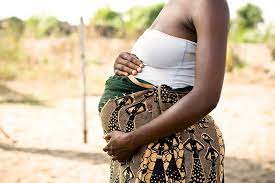
Liberia, a nation defined by its resilience and history, currently faces a silent, devastating crisis that threatens the very foundation of its future: maternal and child mortality. With a maternal mortality ratio (MMR) recorded at 725 deaths per 100,000 live births in 2020, and an under-5 mortality rate (U5MR) standing at 112 deaths per 1,000 live births, the statistics are not merely digits on a spreadsheet; they represent an ongoing emergency that spans the length and breadth of the country, from the bustling corridors of Monrovia to the deepest, most inaccessible reaches of the southeastern counties. This crisis is a multifaceted indictment of systemic gaps that have persisted through decades of conflict, recovery, and transition. To understand why Liberia grapples with these alarming figures, one must delve into the confluence of historical trauma, infrastructure decay, socioeconomic disparity, and the deep-seated gender inequalities that continue to shape the Liberian experience.
The history of Liberia, marked by the protracted civil wars from 1989 to 2003, decimated the nation’s health infrastructure. While the country has made significant strides in stability since the Accra Comprehensive Peace Agreement, the 'brain drain' of the postwar era, where thousands of highly skilled health professionals emigrated, left a vacuum that has yet to be filled. Today, the nation struggles with a severe scarcity of human capital. Data indicates that Liberia possesses only 0.
84 doctors and approximately 1.4 nurses and midwives per 1,000 population—a ratio that falls drastically short of the World Health Organization's recommendation of 2.3 professionals per 1,000. This chronic shortage effectively ensures that even if a pregnant woman in a rural district like Grand Gedeh or Sinoe manages to reach a health center, the likelihood of being attended to by a specialized practitioner remains dangerously slim.
The geographic divide in Liberia is a primary driver of these inequitable health outcomes. In Liberia, proximity is destiny. Urban centers like Montserrado County offer a semblance of specialized care, yet rural dwellers face a grueling journey characterized by impassable roads during the rainy season, a lack of reliable transportation, and the absence of basic primary healthcare facilities. For many rural women, the simple act of traveling to a clinic can take hours of trekking through dense forest, a burden that discourages antenatal care visits and forces many to resort to home births attended by unskilled traditional birth attendants, significantly increasing the risk of postpartum hemorrhage, obstructed labor, and infection.
Beyond infrastructure, the intersection of poverty and health outcomes is stark. Liberia’s economic landscape, characterized by high unemployment and a reliance on subsistence agriculture, leaves the average family with little disposable income for health costs. Even where services are nominally free or subsidized, the 'hidden costs'—such as the need to pay for medications not in stock, transport for family members accompanying the patient, and food during hospital stays—act as a prohibitive tax on the poorest citizens. Poverty also influences nutritional security.
Chronic malnutrition among children leads to weakened immune systems, making them highly susceptible to preventable diseases like malaria, pneumonia, and diarrhea, which remain the leading causes of under-5 mortality in the country. Gender inequality acts as an invisible but omnipresent barrier. In many Liberian households, decision-making power regarding reproductive health, the utilization of family planning services, and the allocation of household finances for medical emergencies often rests solely with male heads of households. When these structural inequalities are combined with lower rates of formal education for women, it limits a mother's ability to recognize danger signs during pregnancy or infancy.
The empowerment of women, through education and economic inclusion, is not just a moral imperative; it is a fundamental health intervention that could lower mortality rates by allowing mothers to advocate for their own care and that of their children. Despite these daunting challenges, the Liberian government, in partnership with international development stakeholders, has begun to implement strategic interventions. The National Community Health Assistant Program (NCHAP), launched in 2016, serves as a cornerstone of these efforts. By formalizing and training a cadre of community health workers, the NCHAP aims to bridge the gap between rural households and the formal health system, bringing vital services directly to the doorstep of the most marginalized populations.
Similarly, the Maternal and Child Survival Program (MCSP) and various 'Saving Lives at Birth' initiatives have focused on improving the quality of clinical care and fostering innovations that address specific neonatal challenges. Yet, these programs must be scaled with greater urgency. True improvement in maternal and child health requires more than just targeted programs; it necessitates a fundamental transformation of the national health system. This means prioritizing the training and retention of domestic health workers, perhaps through incentive schemes that reward rural service, and investing in the 'last mile' of the supply chain to ensure that essential medicines and equipment reach every clinic in the country.
Furthermore, the economic implications of high mortality rates cannot be overstated. A nation that loses its mothers and children at such high rates loses a significant portion of its human potential and economic productivity. There is a broader regional significance to Liberia's struggle, as the country serves as a case study for West African nations grappling with post-conflict health systems. If Liberia can successfully navigate these challenges, it could provide a blueprint for its neighbors.
The fight against maternal and child mortality is a multi-generational project that requires sustained political will, transparent budgeting, and active community engagement. It is time to shift the discourse from crisis management to a sustainable, national development agenda where every pregnancy is monitored and every child is afforded the chance to reach their fifth birthday. The path forward demands an integrated approach: infrastructure development to ensure physical access, social policy to dismantle gender barriers, and robust, data-driven investments in primary healthcare. Liberia’s mothers and children deserve nothing less than a healthcare system that views their lives as a sacred national priority rather than a statistical casualty of history.
