
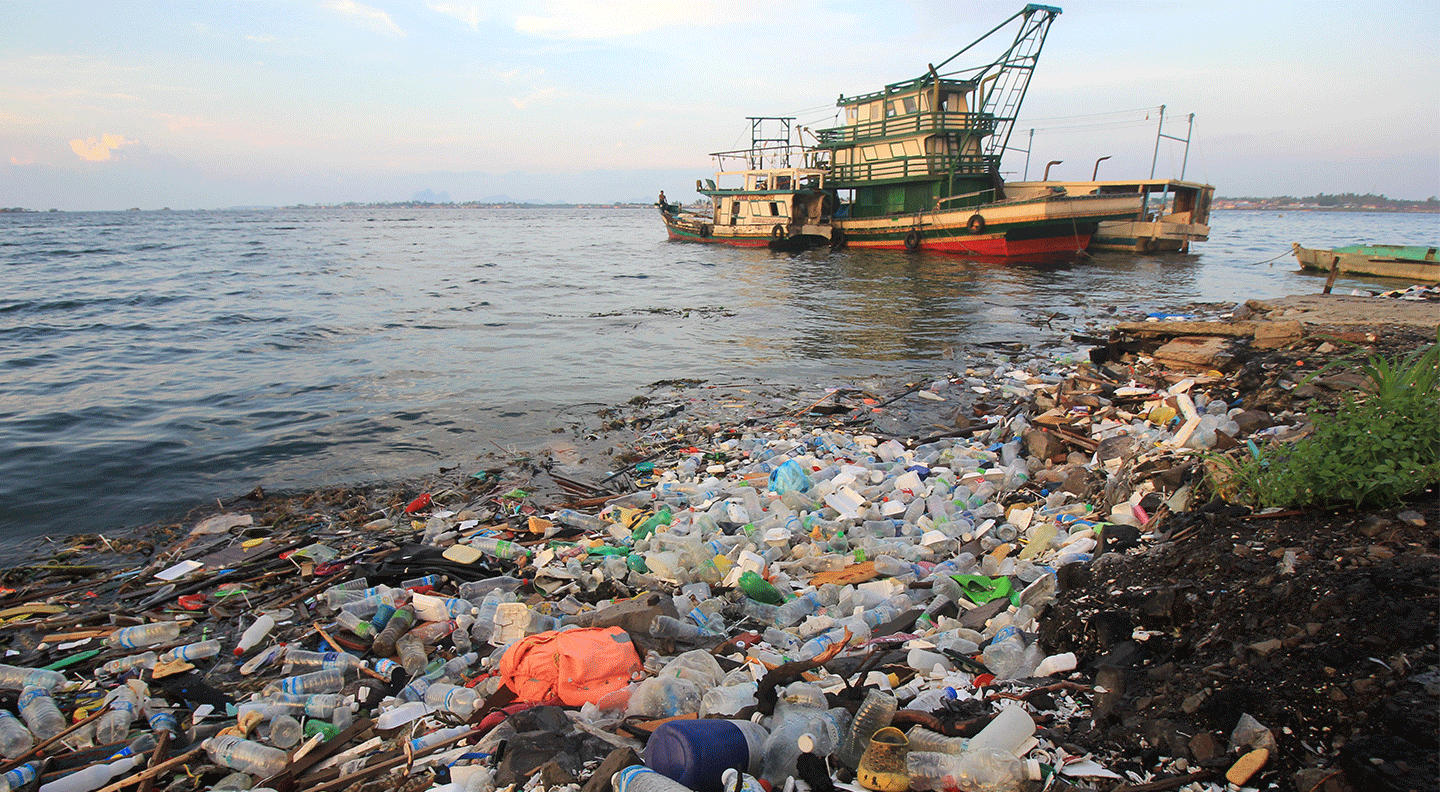
Liberia, a nation defined by its strategic 579-kilometer coastline along the Atlantic Ocean, stands at a critical environmental crossroads. The country's marine environment is not merely a scenic asset; it is the lifeblood of the national economy, supporting a robust artisanal fishing industry, facilitating international maritime trade, and providing essential ecosystem services that protect inland communities from climate-induced weather extremes. However, this vast blue frontier is currently facing an existential threat from pervasive marine pollution, stemming from an unchecked confluence of land-based waste mismanagement and maritime operational negligence. According to the United Nations Environment Programme (UNEP), Liberia is ranked among the most vulnerable African coastal states, as its inability to mitigate anthropogenic waste flows jeopardizes both biodiversity and the socio-economic stability of its coastal population. A pivotal 2019 study by the Liberia Maritime Authority (LiMA) revealed a staggering statistic: over 60% of the nation's coastal waters exhibit various degrees of contamination, ranging from localized hydrocarbon spills to widespread chemical and biological degradation. This article explores the systemic drivers of this crisis and the urgent imperative for holistic policy reform.
At the heart of the crisis lies the pervasive issue of land-based pollution, which represents the most consistent and insidious threat to Liberia's territorial waters. In urban centers like Monrovia, the infrastructure for waste disposal has failed to keep pace with rapid urbanization and population growth. The World Bank indicates that a mere 20% of Liberia’s urban population is connected to a formal sewer system. The remaining majority relies on precarious sanitation solutions such as pit latrines or, in many instances, direct open defecation along beaches and into drainage networks that flow unimpeded into the Atlantic. This systematic discharge of raw sewage introduces high concentrations of pathogens, including cholera-inducing bacteria and various viruses, into the near-shore environment. The result is a toxic cocktail that not only renders coastal waters biologically hazardous for human recreation but also accumulates in the tissue of marine organisms, creating a significant food safety risk for communities dependent on fish as their primary source of protein.
Beyond human waste, the unregulated nature of agricultural runoff and industrial effluent further exacerbates this degradation. Liberia’s agricultural sector, while nascent in its industrialization, often utilizes fertilizers and pesticides without robust management oversight. During the heavy monsoon rains characteristic of West Africa, these chemical inputs are washed into the country’s river systems—the St. Paul, the Mesurado, and others—effectively acting as conduits for pollutants to reach the marine environment. Simultaneously, industrial facilities and manufacturing units, often operating with minimal environmental oversight, discharge untreated wastewater directly into municipal drains. These effluents frequently contain heavy metals and hazardous chemicals that do not biodegrade, leading to long-term toxicity in the sediment and the destruction of delicate marine habitats. The accumulation of plastic debris, specifically single-use bags and synthetic waste, presents a further mechanical threat, entangling marine megafauna and physically choking the coral reefs and mangrove forests that serve as critical nurseries for juvenile fish stocks.
While land-based sources are chronic, shipping-based pollution remains a high-impact, acute danger to Liberia’s waters. As one of the world’s leading open-registry nations, Liberia possesses a unique responsibility to lead by example in maritime environmental compliance. Yet, the routine operations of both domestic and international vessels frequently violate international standards set by the International Maritime Organization (IMO). Tankers and cargo ships often engage in illegal bilge discharges, releasing oil-contaminated water directly into the ocean to avoid the costs associated with proper onshore waste reception facilities. These actions, while often clandestine, contribute to the persistent "oiling" of Liberian beaches, which devastates coastal ecosystems and discourages tourism development.
Historical precedents serve as stark reminders of the potential for catastrophic failure. The 2006 grounding of the oil tanker MT Fortune remains a traumatic benchmark in Liberia’s environmental history. The spill of over 100,000 barrels of crude oil decimated a substantial portion of the coastline, killing thousands of birds, disrupting migratory paths, and rendering artisanal fishing impossible for years in the affected zones. Such incidents underscore the fragility of the coastal economy. When a major spill occurs, the damage to mangrove forests—which act as vital carbon sinks and natural barriers against storm surges—is often irreparable, leaving the nation more exposed to the ravages of a changing climate. The loss of biodiversity, particularly in the depletion of artisanal fish stocks, creates a vacuum in the local economy that fuels poverty and migration, further straining the already overstretched resources of Monrovia.
Addressing this multifaceted crisis requires a departure from reactive crisis management toward a proactive, science-led regulatory framework. First and foremost, the government must prioritize the overhaul of municipal waste management. This involves more than simply expanding collection services; it requires the construction of functional, sustainable sewage treatment plants in major coastal cities to ensure that effluent meets basic safety standards before reaching the ocean. Second, there must be a rigorous enforcement of the existing environmental laws. The Environmental Protection Agency (EPA) of Liberia must be empowered with the resources and the political independence to monitor, inspect, and prosecute industrial actors who treat the ocean as a waste dump. This is particularly relevant for companies operating in the mining and shipping sectors, where environmental impact assessments must move beyond paper compliance to active, verifiable verification.
Furthermore, there is a critical need for localized research and data transparency. Many of the current figures regarding the extent of marine pollution are extrapolated from older, localized studies. To develop effective, site-specific mitigation strategies, Liberia requires a national marine monitoring program. Partnering with regional bodies and international research institutions can help build local capacity for oceanographic testing and pollution mapping. By engaging the coastal communities—those who are on the front lines of this environmental battle—the government can implement community-based monitoring programs, turning local fishers into stewards of the marine environment rather than victims of its decline.
Finally, Liberia must leverage its position as a global maritime power to advocate for stronger international protections and, more importantly, to strictly regulate the ships flying its flag. By mandating higher standards for waste reception facilities at the Port of Monrovia and other landing points, the government can provide a viable alternative to the illegal dumping currently practiced by commercial vessels. Integrating marine conservation into the broader national economic strategy is not a luxury; it is a necessity for the survival of the Liberian coastline. If the country fails to protect its waters, it risks losing the very foundation of its future prosperity. As the nation seeks to balance industrial ambition with ecological preservation, it must recognize that a clean, healthy ocean is not only a moral obligation to future generations but the most pragmatic investment for a sustainable national economy. Insights Liberia remains committed to tracking these developments and holding institutional actors accountable as the nation maneuvers through this critical period of environmental reckoning.
