
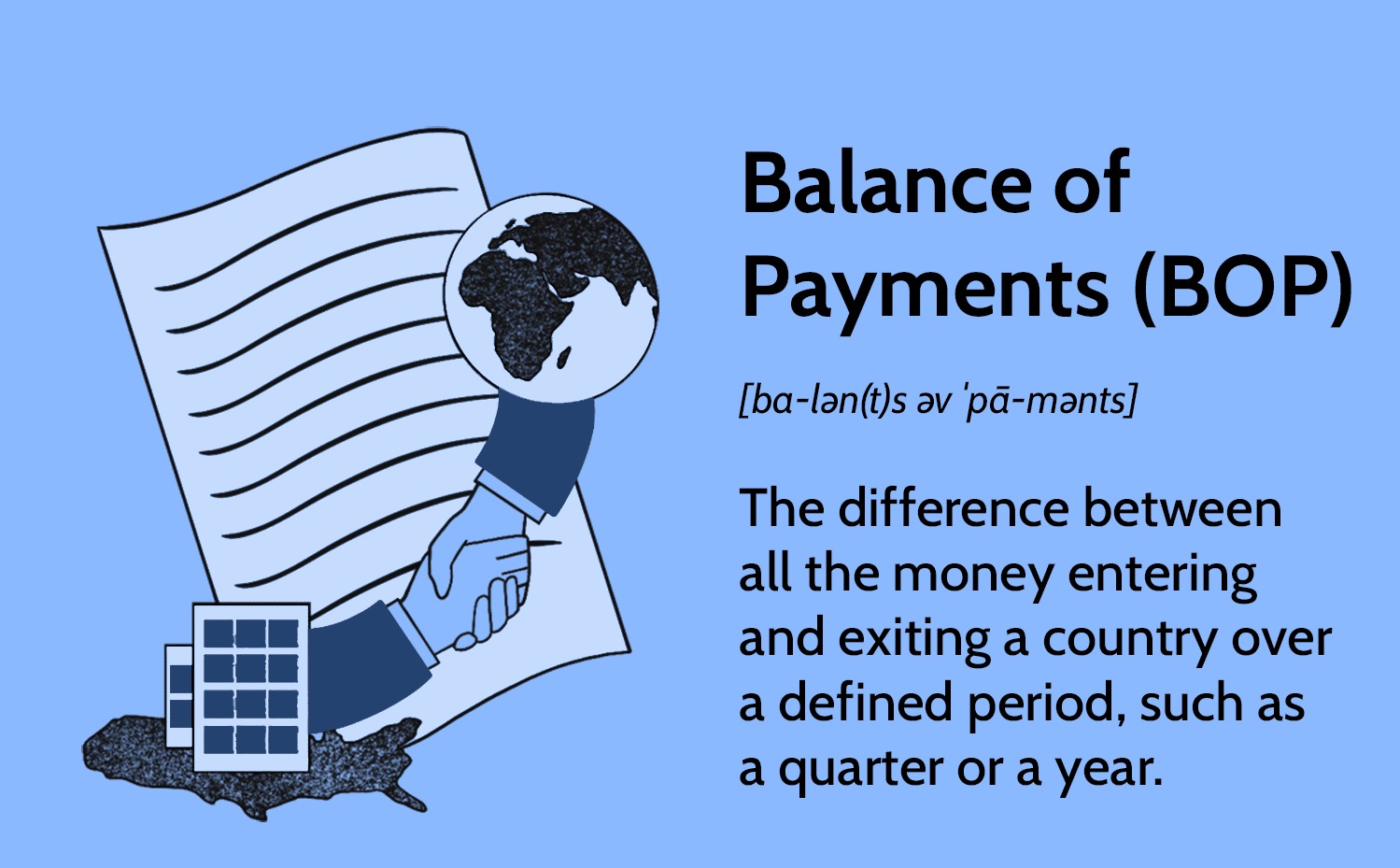
Liberia's persistent current account deficit has emerged as a structural bottleneck, casting a long shadow over the nation's quest for macroeconomic stability and sustainable development. For a nation historically reliant on the extraction of primary commodities, the current account—the broadest measure of a country's trade in goods and services—has become a barometer of deeper, systemic economic vulnerabilities. With the deficit hovering at 15.7% of GDP as of 2022, according to the International Monetary Fund (IMF), Liberia finds itself in a precarious cycle of importing essential commodities while struggling to generate the foreign exchange necessary to cover these outflows.
This imbalance is not merely a statistical anomaly but a fundamental threat to the country’s long-term prosperity, influencing everything from the depreciation of the Liberian dollar to the sustainability of the national debt. Understanding this challenge requires a look back at Liberia’s economic history, a critical analysis of current policy frameworks, and a projection of the regional implications for the Mano River Union and the broader ECOWAS bloc. Historically, Liberia has operated under an extractive economic model established in the early 20th century, favoring large-scale concessions for rubber and iron ore. While this model generated revenue, it failed to build the domestic productive capacity needed to insulate the economy from global commodity price shocks.
The reliance on imported fuel, food—specifically rice, the national staple—and manufactured goods, coupled with an underdeveloped manufacturing sector, has left the country perpetually exposed to global inflation and supply chain disruptions. The World Bank (2021) data, which highlights a deficit increase from 14.6% in 2019 to 20.1% in 2020, underscores the impact of these structural weaknesses when subjected to global volatility, such as the disruptions caused by the pandemic.
The widening deficit is, at its core, a reflection of Liberia's narrow export base. Despite the nation’s vast natural wealth, the economy remains tethered to a handful of raw materials: iron ore, rubber, and palm oil. UNCTAD (2021) data reveals a troubling trend: while imports of vital consumer goods and capital equipment grew by 9.1% in 2020, total exports plummeted by 3.
6%. This inversion indicates that Liberia is consuming far more value than it is creating. Furthermore, the volatility in global commodity prices means that even a minor dip in international demand for Liberian ore or rubber has an outsized impact on the national treasury. For example, the decline in iron ore prices, driven by shifts in demand from major trading partners, directly translates into a shortage of foreign exchange, which in turn pressures the exchange rate.
The Central Bank of Liberia (CBL) has frequently noted that this scarcity leads to the depreciation of the Liberian dollar, which reached 9.4% against the US dollar in 2020. A depreciating currency creates a feedback loop: it makes imports more expensive, which drives domestic inflation—hitting 18.4% in 2020—and further erodes the purchasing power of the average Liberian citizen, whose wages rarely keep pace with the cost of living.
Beyond the immediate impact on inflation, the current account deficit forces the government into a dependence on external debt. When export earnings cannot cover the import bill, the gap must be filled by borrowing. The IMF’s 2021 assessment showed a troubling surge in the external debt-to-GDP ratio from 34.5% to 45.
2% in a single year. This trajectory is alarming; as debt service obligations consume a larger portion of the national budget, the state is forced to divert critical resources away from public services like healthcare, education, and infrastructure—the very sectors required to foster long-term growth and reduce the import dependency that drives the deficit. This creates a 'debt-trap' scenario where the ability to fund future development is stifled by the weight of past consumption. The broader economic implications are felt across the regional landscape.
As a key player in the Mano River Union, Liberia’s economic instability affects trade dynamics with neighbors like Sierra Leone, Guinea, and Côte d’Ivoire. Persistent fiscal and monetary instability in Monrovia discourages regional integration and inhibits the development of intra-regional value chains. If Liberia remains a consumer of processed goods from the region rather than a partner in manufacturing, it remains on the periphery of the African Continental Free Trade Area (AfCFTA) benefits. Addressing this issue requires more than just stop-gap fiscal measures; it demands a radical structural transformation.
The government’s current efforts, as discussed in the 2023 Article IV Consultation, emphasize economic diversification. Moving toward tourism, sustainable agriculture, and light manufacturing is a necessary pivot. For instance, shifting from exporting raw rubber to producing finished rubber products could add significantly more value to the economy. However, such a transition requires an enabling environment that currently remains elusive.
Improving the efficiency of the National Port Authority and streamlining customs clearance are vital steps; logistics costs in Liberia are among the highest in the sub-region, effectively acting as a tax on exports and a subsidy for imports. Furthermore, attracting Foreign Direct Investment (FDI) that focuses on value-addition, rather than purely extractive enterprises, is essential. This requires consistent policy signaling, legal protection for investors, and the stability of the energy grid. Reliable and affordable electricity remains the single biggest constraint for potential domestic industries.
Without addressing the energy deficit, any attempt to diversify the economy and reduce import reliance will be hampered by prohibitively high operational costs. The task before the Liberian government is Herculean, yet necessary. The persistent current account deficit is not just an economic data point; it is a signal that the national economy is operating well below its potential. To move toward debt sustainability and economic resilience, Liberia must incentivize the production of domestic food staples to replace imports and foster an industrial strategy that leverages the country’s natural resources for domestic benefit.
By fostering an environment where entrepreneurs can scale local production and where trade barriers are systematically dismantled, Liberia can break free from the cycle of dependency. The path forward involves a rigorous, long-term commitment to institutional reform, disciplined monetary policy, and an investment climate that prioritizes the empowerment of Liberian producers. Without these deliberate interventions, the country will continue to balance its books on the back of external debt, a strategy that is as unsustainable as it is perilous for the future generations who will inherit the burden. The time for reactive economic management has passed; the current fiscal reality demands proactive, structural transformation aimed at building a robust, self-sustaining economy capable of thriving in an interconnected global market.
