
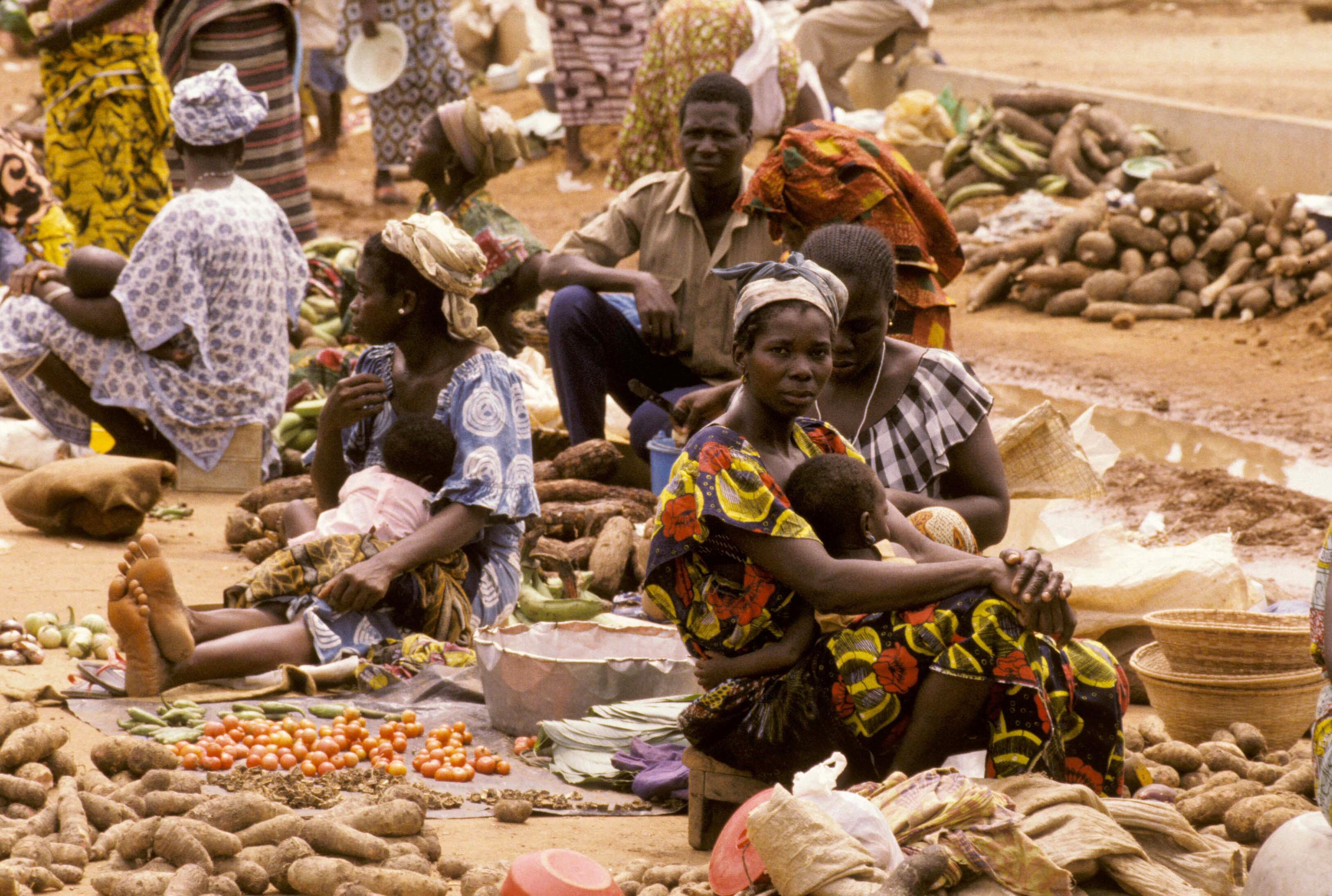
Poverty and inequality represent the twin pillars of a structural crisis that has long defined Liberia’s political economy. Despite the nation’s abundant natural resources and a history of post-conflict recovery, the lived reality for the average Liberian remains starkly inconsistent with the country's potential. As of 2019, data indicated that over 50 percent of the population lived below the national poverty line, with a significant segment subsisting on less than $1.25 per day.
This is not merely a statistical failure; it is a profound development challenge that threatens the very foundations of the Liberian state. The most recent data from the World Bank, updated as of 2020, paints an even more sobering picture, estimating the poverty rate at 55.9 percent, with an additional 21.5 percent of the population classified as vulnerable to poverty.
In practical terms, this means that over three-quarters of the Liberian people exist in a state of chronic economic insecurity, hovering between absolute poverty and the constant threat of destitution. This deep-seated inequality is further underscored by a Gini coefficient that reflects a stark concentration of wealth, where the richest 10 percent of the population control over 60 percent of the national wealth, while the poorest 10 percent command less than 1 percent. The historical roots of this inequality are tied to the extractive nature of Liberia’s economy, which has prioritized the exportation of raw materials—primarily rubber and iron ore—over the development of domestic manufacturing or value-added processing. From the days of the Firestone concession agreements to the modern era of large-scale mineral extraction, the economic model has consistently favored foreign capital and a small urban elite in Monrovia, leaving the vast rural interior largely disconnected from the mechanisms of national prosperity.
This concentration of wealth does more than just perpetuate poverty; it creates a political environment characterized by what economists call 'rent-seeking,' where political actors focus on capturing existing wealth rather than generating new economic value. The political implications of such profound disparity are significant. Poverty serves as a catalyst for social unrest and systemic instability. When the majority of the population perceives that the social contract has been broken—that their access to essential services like education and healthcare is non-existent while a small minority accumulates vast fortunes—the legitimacy of the state begins to erode.
This disenfranchisement is particularly potent among the youth, who represent a large percentage of the demographic yet face staggering levels of unemployment and underemployment. Marginalized groups, feeling excluded from the formal political process, may view the state as an adversary rather than a provider of services, leading to the rise of informal, sometimes volatile, protest movements. To address these systemic hurdles, the Liberian government must move beyond cosmetic reforms and embrace a comprehensive strategy of inclusive growth. This approach necessitates a fundamental re-evaluation of the current economic trajectory.
Investment in human capital is the primary engine of development, yet Liberia’s education sector remains critically underfunded. With a literacy rate estimated at 48.3 percent as of 2019—a figure that drops significantly for women and those in the remote counties of Grand Gedeh or Lofa—it is impossible to build a modern, competitive workforce. The education gap is compounded by a healthcare system that is largely inaccessible to the rural poor.
When a family is forced to choose between purchasing basic medicine or buying food, the intergenerational cycle of poverty is locked in place. The United Nations Development Programme (UNDP) has recognized these systemic failures, identifying poverty and inequality reduction as central tenets of its mandate in Liberia. Since 2020, the UNDP has focused on fostering sustainable economic growth, primarily through the support of Small and Medium-sized Enterprises (SMEs). SMEs are the lifeblood of any economy; by providing them with the necessary access to finance, training, and regulatory support, Liberia can begin to move away from its over-reliance on volatile commodity exports and toward a more diversified economic base.
However, these programs are often hampered by a lack of institutional transparency. Reforming the legal and regulatory framework is essential to reducing the risks of corruption, which currently siphons off resources that could be directed toward public works and social welfare. A lack of transparency in the administration of government contracts and the management of natural resource revenues creates a 'resource curse' dynamic, where the wealth of the land fails to translate into the wealth of the people. Economic diversification is not merely an option; it is a necessity for survival in a volatile global market.
By investing in agriculture—where a majority of the population is already engaged—and promoting agro-processing, Liberia could move from being a mere exporter of raw rubber to a producer of finished rubber products. Such a shift would create millions of jobs, reduce the country's dependence on imports, and foster a more resilient domestic market. Furthermore, the role of international partners, such as the World Bank, the IMF, and regional bodies like ECOWAS, is vital in providing both the financial liquidity and the technical expertise required for this transformation. Yet, the burden of change ultimately rests with the Liberian state.
The political will to enforce tax reforms, invest in rural infrastructure, and dismantle the monopolies that stifle competition will determine whether the country can break free from its current malaise. As the region watches Liberia’s progress, the stakes extend beyond the nation’s borders. Regional stability in West Africa is contingent upon the economic success of its individual member states. A prosperous Liberia would not only reduce the risk of internal conflict but also act as a hub for trade and investment within the Mano River Union.
In conclusion, the road to prosperity for Liberia is obstructed by the twin specters of poverty and inequality. These issues are deeply entrenched, linked to historical patterns of governance and a colonial-era economic model that prioritizes extraction over development. Addressing them requires a multi-faceted effort that combines long-term investment in human capital—education and healthcare—with short-term interventions in SME support and regulatory reform. The path forward demands a departure from business as usual.
It calls for a government that is accountable, a private sector that is committed to sustainable development, and a citizenry that is empowered by the knowledge that their participation in the economy and the political process is valued. Without such a transformation, the cycle of poverty will continue to hinder Liberia's potential, keeping a nation blessed with vast natural resources perpetually in the shadow of its own unrealized aspirations. Achieving equity is not merely a humanitarian ideal; it is the fundamental requirement for a secure, stable, and thriving Liberia in the 21st century.



