
Liberia, a nation defined by its lush, tropical rainforests and its historical identity as a cradle of West African biodiversity, finds itself at a precarious crossroads. While the country is rightfully celebrated for its rich, diverse wildlife—including the elusive pygmy hippopotamus, the West African chimpanzee, and the forest elephant—it is currently grappling with a severe, often overlooked internal crisis: its emergence as a critical transit hub for the global illegal wildlife trade. This illicit industry is not merely a conservation concern; it is an economic and security challenge that threatens to erode Liberia’s natural capital, destabilize fragile ecosystems, and introduce significant risks to public health through the spread of zoonotic diseases. The illegal wildlife trade, defined as the commercial exchange of fauna, flora, and their derivatives in violation of national and international legislation, has become a multi-billion dollar enterprise.
Driven by global demand for exotic pets, traditional medicine, high-end decor, and the localized consumption of bushmeat, this trade operates through clandestine networks that exploit porous borders and governance gaps. According to reports from the United Nations Office on Drugs and Crime (UNODC), Liberia has surfaced as one of the top five countries in Africa for the trafficking of ivory. This is a sobering statistic for a country that has spent decades attempting to rehabilitate its international image following the civil conflicts of the late 20th century. The historical context of this struggle is vital; after years of civil war, Liberia’s infrastructure, including its environmental monitoring and forestry oversight, faced systemic collapse.
As the country transitioned into a period of post-conflict reconstruction, the governance of its vast, biodiverse landmass—particularly the Upper Guinean forest ecosystem—lagged behind. This created a vacuum that criminal syndicates have since exploited. The trafficking networks are highly adaptive, moving illicit goods through the very ports and border crossings that are intended to facilitate Liberia’s formal economic growth. The scale of the loss is staggering.
Recent data suggests that Liberia has seen an estimated 90% decline in its elephant population and a 99% reduction in its hippopotamus population over the last several decades. These are not merely statistics; they represent a catastrophic loss of ecological heritage. When an keystone species like the forest elephant is removed from an ecosystem, the secondary effects on forest regeneration are profound, potentially accelerating the degradation of the very forests upon which many Liberians rely for climate resilience and sustainable timber. Beyond the environmental damage, the trade in bushmeat remains a sensitive and complex social issue.
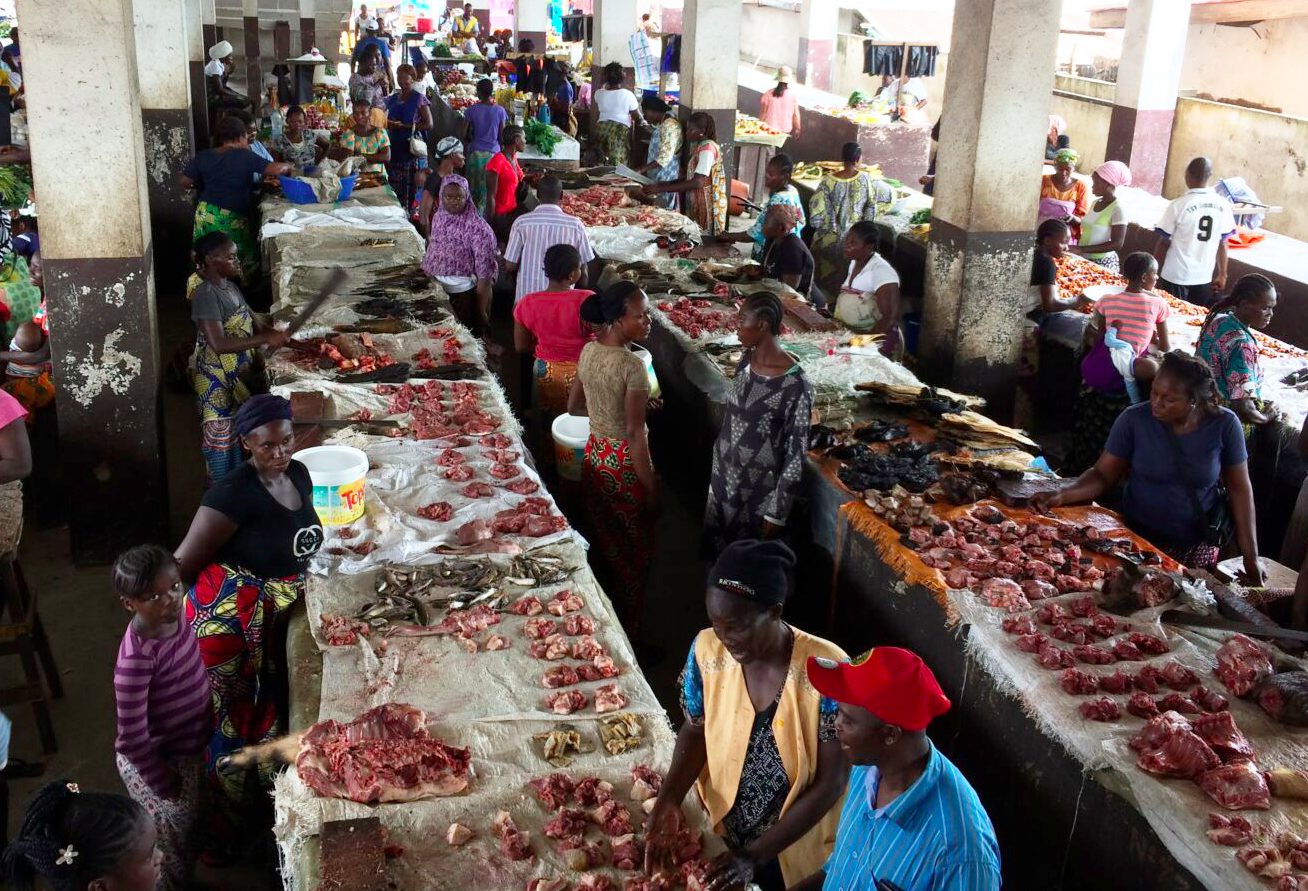
In many rural communities, bushmeat is an traditional, accessible source of protein. However, the commercialization of this practice, often supplying urban centers and regional export markets, has elevated the trade to a commercial scale that the wildlife populations can no longer sustain. The systemic nature of this trade makes it difficult to intercept. Because the supply chain is deeply embedded in local economic realities, stopping it requires more than just punitive law enforcement.
It requires a nuanced understanding of the socio-economic drivers that push individuals into poaching—namely poverty, food insecurity, and a lack of viable alternative livelihoods. The public health implications of this trade, however, are perhaps the most urgent. The illegal wildlife trade acts as a catalyst for zoonotic disease transmission—pathogens jumping from animals to humans. The recent global experiences with Ebola and COVID-19 have brought the danger of these interactions into sharp focus.
When animals are captured, transported in squalid conditions, and sold in unregulated markets, the chance for viral spillover increases exponentially. Liberia, having endured the traumatic 2014-2016 Ebola outbreak, is intimately acquainted with the high price of such events. Ensuring that wildlife remains in its natural habitat is therefore not only a conservation strategy but a proactive public health policy. Addressing this complex challenge necessitates a multi-faceted approach.
First, the Government of Liberia must prioritize the strengthening of law enforcement. This involves not only increasing the number of park rangers, such as those working under the Forestry Development Authority (FDA), but also providing them with the logistical and legal support necessary to confront organized crime syndicates. It is essential that wildlife crimes are treated with the same level of severity as other forms of illicit trafficking, such as narcotics or small arms. Corruption, if present, must be rooted out of the agencies tasked with border security, as traffickers rely heavily on the ability to bypass checkpoints.
Second, public education must be revolutionized. Schools, local radio stations, and community leaders should be engaged to demystify the dangers of the illegal trade and underscore the long-term value of eco-tourism over short-term poaching gains. Sustainable agriculture must be prioritized, providing communities with food security alternatives so that they are not forced to rely on unsustainable bushmeat hunting. Thirdly, international cooperation is non-negotiable.
Wildlife trafficking is a transnational crime. Liberia must work closely with its neighbors in the Mano River Union and the wider ECOWAS region to share intelligence on transit routes and harmonize environmental laws. By working in concert with international bodies like CITES (the Convention on International Trade in Endangered Species of Wild Fauna and Flora), Liberia can tap into global resources for technical capacity building and law enforcement training. Ultimately, the survival of Liberia’s biodiversity is a matter of national sovereignty and future-readiness.
A country that protects its natural wealth secures its own path to sustainable prosperity. The current status of Liberia as a transit point is a challenge that can be reversed, but only through a cohesive strategy that integrates strict enforcement with social development and environmental stewardship. The path forward is difficult, but the consequences of inaction are far greater. It is a responsibility that rests with the government, international partners, and the citizens of Liberia to ensure that the nation’s rich natural history is not relegated to the past, but is instead preserved as a vital foundation for the future.
