
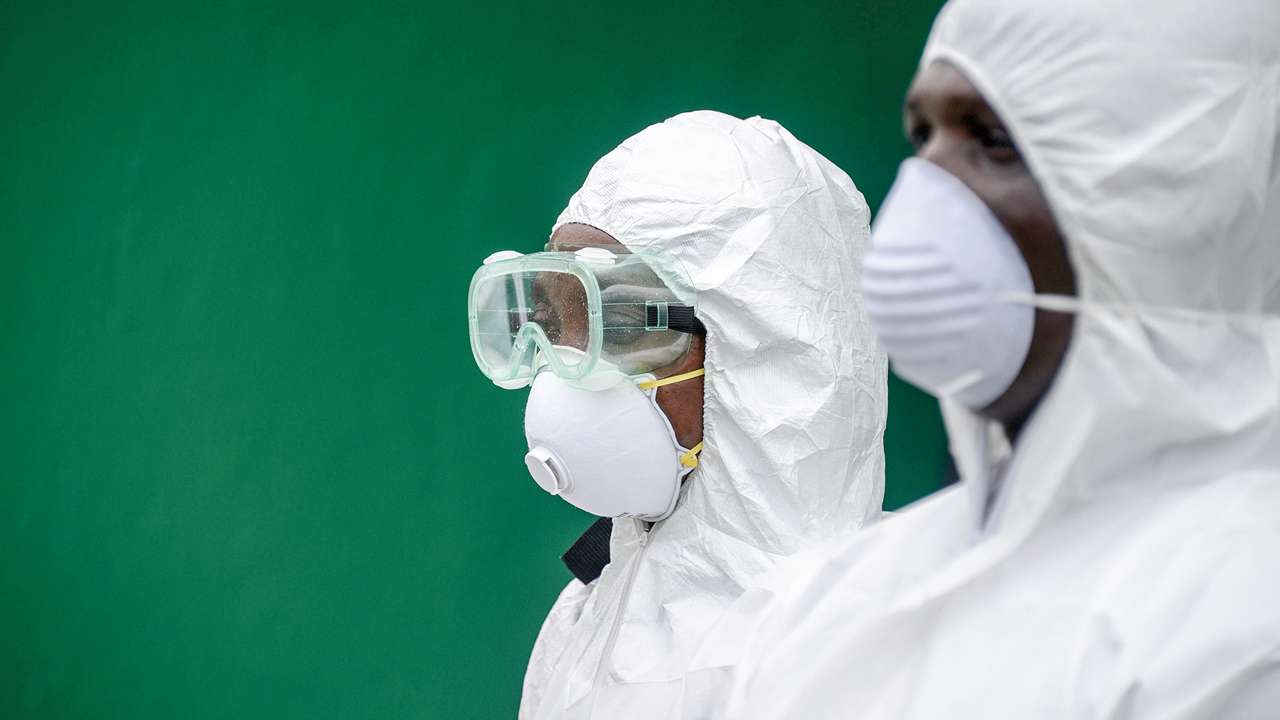
Infectious diseases have emerged as the most significant systemic threat to Liberia's fragile post-conflict development trajectory. Over the past decade, the nation has grappled with a series of epidemiological shocks—ranging from the catastrophic Ebola Virus Disease (EVD) epidemic to the global COVID-19 pandemic and the persistent, silent crisis of endemic diseases like Lassa fever and cholera. These outbreaks are not merely medical events; they are profound disruptions that reveal the deep-seated vulnerabilities within the nation's healthcare infrastructure, governance structures, and social fabric. As Liberia continues to rebuild, the necessity of a robust, proactive, and sustainable infectious disease response mechanism is no longer an optional policy goal; it is a foundational requirement for national survival and economic prosperity.
According to the World Health Organization (WHO), Liberia’s encounter with the Ebola outbreak between 2014 and 2016 remains one of the darkest chapters in its modern history. With over 10,000 confirmed cases and 4,800 deaths, the virus decimated the workforce, paralyzed the economy, and shattered public trust in the state. The memory of this tragedy looms large, serving as a sobering reminder of what happens when a health system collapses under pressure. More recently, the COVID-19 pandemic added another layer of strain, with over 6,000 confirmed cases and 200 deaths reported by March 2022.
While the mortality figures for COVID-19 in Liberia were lower than in many Western nations, the secondary impacts—economic contraction, school closures, and the disruption of routine immunization programs—have been immense. Historically, Liberia's healthcare system has struggled with the legacy of the fourteen-year civil war (1989–2003), which destroyed vital infrastructure and triggered a brain drain of medical professionals. The current health system operates on a decentralized model, yet it remains critically underfunded and overstretched. During the Ebola crisis, hospitals became vectors for transmission because they lacked basic infection prevention and control (IPC) protocols, such as personal protective equipment (PPE) and isolation wards.
This failure highlights a critical need for continuous, granular analysis of the system, focusing on supply chain logistics, the distribution of human resources, and the technological capacity for laboratory diagnosis. The economic ramifications of these outbreaks are equally staggering. During the Ebola years, the World Bank noted that the Liberian economy, which had been growing at a steady pace, plummeted. Agriculture—the backbone of the rural economy—suffered as farmers abandoned their fields due to fear of infection or travel restrictions.
Small businesses, which sustain the majority of the Liberian population in the informal sector, faced total stagnation. When schools were shuttered for several months, an entire generation of students lost vital learning time, exacerbating the literacy and skills gap. The COVID-19 pandemic mimicked these patterns, with restrictive lockdowns hitting the 'market woman' economy hardest, pushing many households back into extreme poverty. Effective response strategies must go beyond crisis management; they require a paradigm shift toward resilience.
Investment in healthcare infrastructure, specifically in rural areas where access to basic primary care remains limited, is essential. Surveillance and early detection represent the first line of defense. The integration of community-based surveillance—leveraging the network of community health assistants who are often the first points of contact in remote areas—is vital. By professionalizing and equipping these workers, the Ministry of Health can create a rapid-response surveillance grid that identifies anomalies before they become national catastrophes.
Statistical realities in Liberia underscore the volatility of the situation. Beyond the headline-grabbing outbreaks of Ebola and COVID-19, Liberia faces chronic, often overlooked threats. In 2019, the country reported over 900 cases and 14 deaths from cholera, a disease largely tied to poor sanitation and lack of access to clean water. Lassa fever, which is endemic to the region, reported over 300 cases and 29 deaths in 2020.
These figures illustrate that infectious disease is a permanent feature of the Liberian landscape, necessitating a steady, long-term commitment to public health rather than just emergency-based funding. The vulnerability of specific segments of the population remains a matter of urgent concern. Children and pregnant women are disproportionately affected by infectious diseases, often facing high rates of mortality due to secondary complications. Women, who occupy the majority of caregiving roles within households and comprise a significant portion of the frontline nursing staff, face higher exposure risks.
Addressing these gendered health disparities requires a cultural and structural approach that empowers women with both education and resources. The path forward demands a multi-pronged approach. First, the national government must prioritize the strengthening of the healthcare ecosystem, moving away from reliance on international donors to a more sustainable, domestic-led funding model. This involves auditing the national budget to ensure that health expenditure reaches the intended districts, specifically focusing on the maintenance of rural clinics.
Second, the digitalization of health data is a priority. An automated, real-time surveillance system would empower the National Public Health Institute of Liberia (NPHIL) to make evidence-based decisions during the early stages of an outbreak. Third, community engagement must be at the core of all interventions. During the Ebola era, early resistance to health protocols was often driven by fear and a lack of trust in the government.
Building social cohesion and fostering a collaborative relationship between health authorities and local community leaders, religious organizations, and traditional healers is the only way to ensure public compliance and health literacy. Several critical areas of analysis remain under-explored in the Liberian context. For instance, the economic return on investment for community health workers has yet to be fully quantified. Understanding the link between infectious disease outbreaks and long-term maternal and child health outcomes could provide the data needed to advocate for more targeted nutrition and wellness programs.
Furthermore, the effectiveness of the current surveillance systems in mapping Lassa fever and other viral hemorrhagic fevers requires independent academic and investigative scrutiny. The implementation of a robust national strategy for disease management is a test of political will. It requires a move toward transparency, accountability, and the efficient management of both local resources and international aid. By modernizing the country's response architecture, Liberia can transition from a cycle of reactive crisis management to a state of proactive preparedness.
The health of the population is the health of the nation, and the ability to detect, isolate, and treat infectious diseases is the ultimate measure of a state's commitment to its citizens. As Insights Liberia continues to track these developments, we urge the relevant authorities to prioritize the institutionalization of health security as a pillar of national security. The lessons of the past are etched in the faces of those who have lost loved ones to preventable diseases; the responsibility now lies with the current generation of leaders to ensure that these tragedies serve as the impetus for a resilient and equitable future. Through informed dialogue, community-level advocacy, and rigorous policy oversight, Liberia can build a healthcare system that does not merely respond to crises, but prevents them.
