
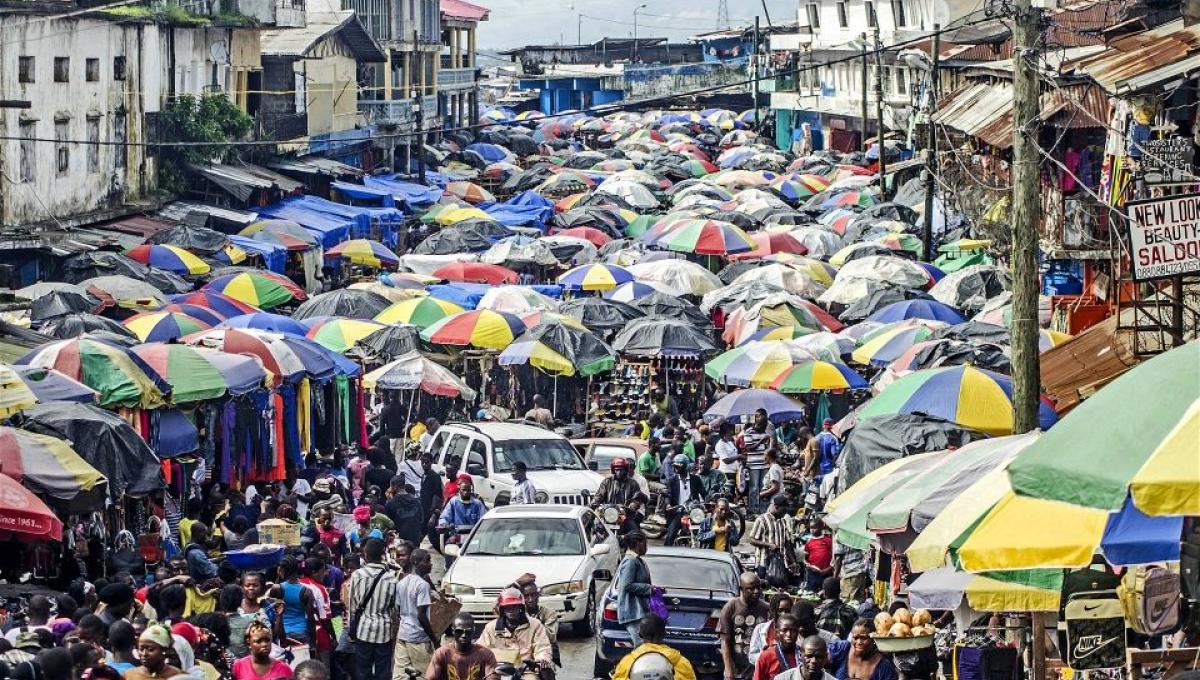
Urbanization is rapidly changing the socio-economic landscape of Liberia, acting as a transformative engine that is fundamentally altering consumer behavior, particularly within the bustling corridors of Monrovia and its expanding periphery. As the nation shifts from its traditional agrarian roots toward a more centralized, service-oriented economy, the patterns of consumption are evolving in real-time. According to data from the World Bank, the urban population in Liberia has surged from a mere 15.8% in 1960 to a staggering 50.
9% by 2020. This migration is not merely a demographic statistic; it represents a profound cultural shift. As more Liberians move to cities, consumer behavior is becoming increasingly complex, influenced by higher disposable incomes, improved educational attainment, and a ubiquitous digital footprint that connects even the most modest urban households to global retail trends. The historical trajectory of Liberia, marked by periods of economic instability and post-conflict recovery, has conditioned the populace to be resilient.
However, this new era of urbanization introduces a different set of challenges—and opportunities—for the domestic and regional market. As urban centers swell, the appetite for modern consumer goods, personalized services, and time-saving solutions is outpacing the supply, forcing businesses to rethink their strategies. Yet, we must acknowledge the glaring 'digital and physical divide' that persists. While the glitter of Monrovia suggests a leap into the modern age, significant differences remain between consumer behavior in urban versus rural zones.
Data provided by the United Nations Development Programme consistently highlights that rural Liberia grapples with acute challenges in basic service delivery, such as healthcare, clean water, and education. Consequently, while urban consumers are navigating the aisles of supermarkets or ordering through social media-based commerce, their rural counterparts are still navigating the informal, traditional retail channels that have served the interior for generations. The Liberia Institute of Statistics and Geo-Information Services (LISGIS) provides a stark evidentiary basis for this duality. In 2020, 53.
8% of households in urban areas enjoyed access to electricity, compared to a precarious 12.8% in rural counties. Similarly, the availability of improved drinking water sources sits at 82.1% in cities, while rural communities struggle with 22.
5% access. These infrastructure disparities are not just logistical bottlenecks; they are direct determinants of consumer behavior. The urban consumer, enjoying the reliability of grid power, can contemplate the purchase of home appliances and processed, refrigerated foods, whereas the rural consumer must prioritize shelf-stable items and products that do not require specialized infrastructure. Looking forward, the World Bank projects that Liberia’s urban population will grow from 3.
5 million in 2020 to a staggering 6.5 million by 2050. This demographic explosion will amplify the urbanization of consumption. As the urban population nearly doubles, the demand for housing, public transportation, and retail space will escalate.
We are already observing this trend: a clear shift toward convenience-driven consumption. The urban Liberian, often juggling longer commutes and formal sector employment, has less time for the protracted, daily visits to the traditional wet markets that define the rural experience. This 'time-poverty' drives a growing preference for pre-packaged meals, mobile money-integrated transactions, and on-demand delivery services. Furthermore, exposure to globalized media—via affordable mobile data and social media platforms like Facebook and TikTok—is standardizing the aspirations of Liberian youth.
Brand loyalty, once driven by availability, is now driven by lifestyle signaling and digital marketing. The urban consumer in Monrovia today expects a shopping experience that mimics international standards. They are no longer satisfied with the basic offerings of the neighborhood 'shop-and-buy'; they seek the atmosphere, product variety, and quality assurance found in formal retail outlets. This transition also suggests a shift in the economic power balance.
With the concentration of purchasing power in urban centers, the formal sector is witnessing an influx of foreign investment aimed at capturing this emerging middle class. Retail chains, telecommunications firms, and financial institutions are pivoting their business models to cater to the 'always-connected' urban dweller. However, this growth brings with it significant social implications. The cost of living in urban areas is rising, and the concentration of wealth in cities risks exacerbating the regional inequalities that have historically plagued Liberian national development.
If the economic benefits of urbanization do not trickle down or find ways to bridge the urban-rural divide through improved logistics and rural electrification, we may see a deepening of social stratification. Moreover, the environmental impact of rapid, unplanned urban expansion poses a threat to the very quality of life that attracts people to the city. Waste management, traffic congestion, and the loss of green spaces are becoming immediate concerns for the modern urban consumer, who is increasingly vocal about their dissatisfaction with municipal services. Businesses that want to succeed in this shifting landscape cannot rely on the models of the past.
Success in modern Liberia requires a multi-tiered approach: products must be affordable enough for the price-sensitive majority, yet sophisticated enough to satisfy the aspirations of the upwardly mobile. Companies must invest in robust distribution networks that can navigate the 'last mile' challenges, and they must embrace digital transformation, as mobile money and e-commerce are rapidly replacing cash as the preferred medium of exchange. The urbanization of Liberia is an irreversible trend, and it is the defining narrative of the next generation. As consumers change, so too must our economic policies and private sector strategies.
We are witnessing the birth of a new Liberian consumer: one who is informed, impatient for quality, and intrinsically linked to the global economy. For those observing from the vantage point of Insights Liberia, the question is not just how consumption is changing, but how effectively the country can build the infrastructure—both physical and legislative—to support this transition. As we move toward 2050, the divide between the urbanized consumer and the traditional consumer will continue to frame the national debate on growth, equity, and modernization. Understanding this dynamic is not just good business; it is essential for the future stability and prosperity of the state.
