
The Republic of Liberia, a nation characterized by its storied history as Africa’s oldest republic, stands at a pivotal juncture of economic and social transformation. At the heart of this metamorphosis is a profound demographic shift that is reshaping the very fabric of its commercial landscape. With over 60% of the population under the age of 25, Liberia boasts one of the youngest demographic profiles in the world. This youthful energy, coupled with a steady trajectory of economic growth and an intensifying rate of urbanization, is catalyzing a shift in consumer behavior that is as complex as it is rapid.
Liberian consumers, once accustomed to a highly localized and informal retail experience, are evolving into a more demanding, discerning, and technologically savvy cohort. This shift is not merely a trend; it is a fundamental reconfiguration of the relationship between the Liberian marketplace and the people it serves. To understand this evolution, one must first look at the unique socio-economic context of the nation. Following decades of civil unrest and economic instability, Liberia has spent the last two decades rebuilding its institutional framework and infrastructure.
This historical context is vital; it highlights the resilience of the Liberian people and their capacity to adopt new technologies, often leapfrogging traditional development stages. As the economy stabilizes, there is a nascent but growing middle class, primarily concentrated in the urban sprawl of Monrovia and its environs, which is driving the demand for higher-quality goods, modern retail environments, and, increasingly, digital connectivity. As of 2021, while the vast majority of commerce is still conducted through traditional, informal channels, the digital frontier is expanding. According to a significant 2020 survey by Jumia, the pan-African e-commerce giant, 56% of Liberian respondents reported having completed an online purchase within the preceding six months.
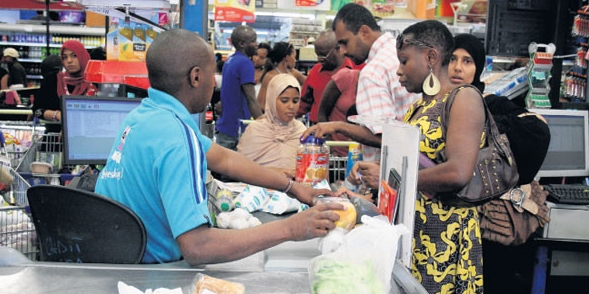
While the absolute volume of e-commerce remains small relative to the total retail sector, the trend line is unmistakable. Mobile phones have become the primary gateway to this new digital marketplace, transforming from simple communication tools into essential instruments for price comparison, product research, and transaction facilitation. Mobile phones, electronics, and fast-fashion items currently dominate the e-commerce category, reflecting a younger demographic’s desire to align with global trends while navigating the realities of a developing local market. The shift toward modern retail formats—such as supermarkets, shopping malls, and specialty boutiques—is a direct response to the rising middle class.
However, the informal market remains an indomitable pillar of the Liberian economy. For generations, market women and street vendors have been the lifeblood of urban life, providing essential goods in a flexible, accessible, and culturally embedded manner. The coexistence of high-end supermarkets and bustling street stalls is a defining feature of the Liberian retail landscape, and successful adaptation in this market requires a nuanced understanding of how these two worlds interact rather than a belief that one will simply displace the other. Several macroeconomic drivers are accelerating this behavioral change.
Economic growth, though volatile, has led to a marginal but significant increase in disposable income. This shift in spending power is enabling consumers to move beyond the survivalist purchase patterns of the past, allowing them to prioritize quality, brand recognition, and consumer experience. Furthermore, rapid urbanization is effectively shrinking the social distance between the Liberian consumer and global trends. As people congregate in the urban core, they are exposed to global lifestyles, digital advertising, and diverse cultural narratives.
This exposure creates a ‘democratization of desire’ where local consumers demand the same levels of service and variety that they see reflected in the media and the digital space. Technology, the great equalizer, is the primary catalyst for these changes. The rapid expansion of mobile internet access across Liberia is dismantling the geographical barriers that previously isolated many provincial markets. For a consumer in a remote district, the mobile phone now acts as a window into the urban market, allowing for a level of transparency regarding pricing and availability that was previously impossible.
This accessibility has made the modern consumer more discerning. They are no longer captive to the inventory of a single neighborhood shop; they are empowered to comparison-shop, read reviews, and demand better standards from vendors. This, in turn, is forcing businesses to sharpen their competitive edge. The growth of e-commerce in Liberia is not without its hurdles, however.
Infrastructural deficits, such as inconsistent electricity supply, challenges in last-mile logistics, and the need for more robust digital payment systems, continue to impede the sector’s full maturation. Despite these logistical constraints, the demand for convenience is driving innovation. Entrepreneurs are finding creative ways to bypass traditional obstacles, utilizing social media platforms like WhatsApp and Facebook as ad-hoc marketplaces. This organic adoption of technology shows that the Liberian market is moving faster than the formal infrastructure might suggest.
Businesses that wish to survive this transition must move beyond traditional top-down retail models. The savvy merchant in today’s Liberia understands the necessity of an omnichannel approach. Even the most traditional brick-and-mortar store must now consider how its physical presence is complemented by a digital footprint. Customer service, once an afterthought, is becoming a key differentiator.
In a market where consumers have more choices than ever, the quality of the interaction—the transparency of pricing, the efficiency of the delivery, and the reliability of the product—is what will secure long-term loyalty. Looking ahead, the broader regional significance of Liberia’s consumer evolution cannot be overlooked. As part of the West African economic block, Liberia is becoming increasingly integrated into the regional trade ecosystem. Lessons learned in the Liberian market, particularly regarding how to bridge the gap between informal and formal retail, have implications for other post-conflict nations undergoing similar economic transitions.
The resilience of the Liberian consumer, characterized by a willingness to experiment and a quick adaptation to mobile-centric solutions, provides a template for how emerging markets can bypass legacy retail bottlenecks. Ultimately, the future of the Liberian market belongs to those who recognize that the consumer is no longer a passive participant. They are an active, informed, and increasingly demanding segment of society. Whether it is through the development of reliable e-commerce platforms, the professionalization of the retail experience, or the integration of digital financial services, the businesses that succeed will be those that align their growth with the aspirations of a young, urban, and tech-driven population.
The rapid shift in consumer preferences is a clear signal that the Liberian market is open for a new chapter—one defined by innovation, digital integration, and a sophisticated understanding of a changing socio-economic reality. For the astute investor, policymaker, or business leader, the writing is on the wall: the era of static, traditional retail is being supplanted by a dynamic, mobile-first, and highly connected commercial ecosystem that promises to redefine Liberia's economic future for decades to come.
