
Liberia, a nation founded on the ideals of liberty and refuge for freed American slaves in the early 19th century, occupies a unique position in the annals of West African history. Yet, this noble origin story has been deeply complicated by cycles of political instability, systemic violence, and a pervasive culture of impunity. As Liberia continues its fragile journey toward democratic consolidation, the state of human rights remains a critical barometer for its progress. Despite the passage of two decades since the formal cessation of the brutal civil wars that decimated the country from 1989 to 2003, the ghosts of the past continue to haunt the present, manifesting in persistent human rights challenges that demand urgent, systemic reform.
Liberia has long grappled with a deficit of accountability, particularly regarding the atrocities committed during the civil war. The failure to implement the recommendations of the Truth and Reconciliation Commission (TRC), which specifically called for the establishment of a war crimes court, remains a central grievance among civil society groups and international observers. This climate of impunity suggests that the perpetrators of past abuses remain shielded, creating a precedent where power, rather than justice, dictates the terms of societal engagement. The Independent National Commission on Human Rights (INCHR) exists as a constitutional body meant to oversee these protections; however, its effectiveness has been consistently hampered by chronic underfunding, political interference, and a lack of enforcement power.
While the government has adopted national human rights action plans, these documents often appear performative rather than transformative when juxtaposed with the lived reality of Liberian citizens. The 2020 US State Department Country Reports on Human Rights Practices and the 2021 Human Rights Watch World Report both paint a picture of a nation that has moved beyond open warfare but remains trapped in a state of institutional decay. Significant concerns persist regarding the freedom of the press—a vital component of any democracy. Journalists in Liberia frequently face harassment, intimidation, and the constant threat of legal retaliation for reporting on government corruption or administrative failures.
Arbitrary detention remains a tool utilized by overzealous security forces, pointing to a need for sweeping police reform and the institutionalization of human rights training within the Liberia National Police. The legacy of Liberia’s founding as a settler-led state has historically created a rift between the political elite and the broader rural population. This historical marginalization has exacerbated modern socioeconomic inequalities, which in turn feed into human rights abuses. One of the most harrowing manifestations of these systemic issues is the endemic violence against women and girls.
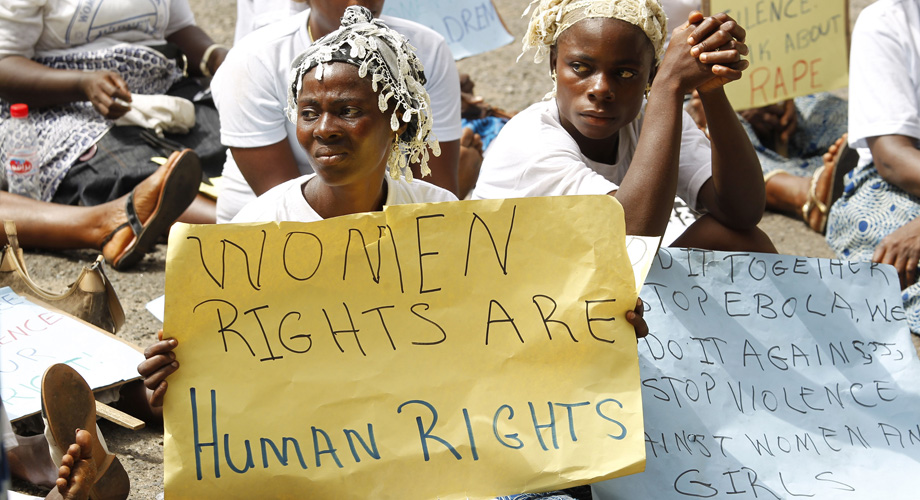
According to data from years of localized surveys, the prevalence of sexual and gender-based violence (SGBV) is staggering, with over 60 percent of women experiencing some form of physical or sexual abuse during their lifetime. Despite the declaration of rape as a national emergency in 2020, the judicial system remains ill-equipped to process these cases efficiently. Victims often face secondary trauma through a lack of forensic evidence, intimidation by perpetrators, and the prohibitive costs associated with legal representation. This environment is exacerbated by the economic instability that plagues the country.
When the state fails to provide basic social safety nets, children often bear the brunt, leading to widespread child labor. Estimates suggest that nearly 40 percent of children aged 5 to 17 are engaged in labor, often in hazardous conditions, which denies them the fundamental right to education and personal development. This perpetuates the cycle of poverty, as the lack of a skilled, educated workforce hinders national development and leaves the country vulnerable to continued exploitation. Corruption, identified by the World Bank as a defining characteristic of the current socio-political landscape, acts as a corrosive agent that undermines every attempt at institutional reform.
With Liberia consistently ranking low on global corruption indices, the diversion of public funds away from critical sectors like healthcare, education, and judicial services directly infringes upon the rights of the populace to basic services. When the judiciary is perceived as an extension of the executive branch or as a tool for the wealthy, the rule of law is effectively suspended. This lack of access to justice is not merely a bureaucratic hurdle; it is a fundamental human rights failure that denies ordinary citizens the ability to seek redress for grievances, effectively stripping them of their agency in a democratic state. To move forward, Liberia requires a multifaceted approach that transcends mere rhetoric.
First, the judiciary must be granted true autonomy. This involves not only legislative protections but also the allocation of sufficient resources to rural courts, which are often non-functional. Training judges and lawyers in international human rights standards is essential to ensure that the court system serves the people rather than the elite. Second, the government must demonstrate the political will to enact and enforce existing laws, particularly those designed to combat SGBV and corruption.
Token gestures, such as one-off awareness campaigns, are insufficient; there must be systematic legal consequences for abusers and those who misappropriate public assets. Third, civil society must be empowered rather than suppressed. A robust, free press and active advocacy groups are the best check against government overreach. International partners, including the United Nations and regional bodies like ECOWAS, have a role to play, not just in funding, but in applying diplomatic pressure to ensure that Liberia adheres to the human rights commitments it has signed.
The path to a rights-respecting Liberia is undeniably steep. It requires a radical departure from the clientelist politics that have defined the post-war era. It necessitates a national dialogue—one that is not controlled by the political establishment—about the kind of country Liberians wish to live in. Promoting and protecting human rights is not an abstract concept or a luxury for a developing nation; it is the fundamental framework upon which a stable, prosperous, and peaceful society is built.
The history of Liberia is one of resilience, but resilience alone is not enough to secure a future where the rights of all citizens are protected. Only through a sustained, transparent, and courageous commitment to justice can Liberia finally turn the page on its troubled history and begin to fulfill the democratic promise of its inception.
