
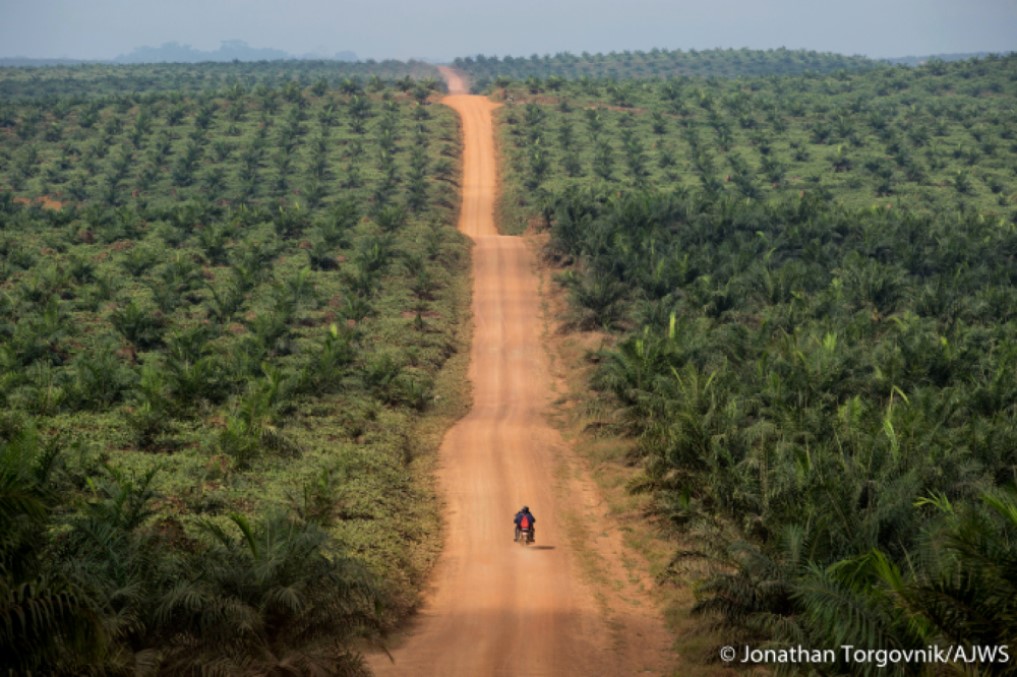
Liberia, a nation often referred to as the green jewel of West Africa, stands at a precarious environmental crossroads. Home to a significant portion of the Upper Guinean rainforest—a globally recognized biodiversity hotspot—the country’s ecological integrity is rapidly unraveling. The scale of this crisis is staggering: according to the Food and Agriculture Organization of the United Nations (FAO), Liberia’s forest cover plummeted from 4.8 million hectares in 2000 to approximately 2.
2 million hectares by 2020. This loss of over 50% of its primary forests in a mere two decades is not merely a statistical anomaly; it is a profound national tragedy that threatens the very fabric of Liberia’s environmental, economic, and social security. As Insights Liberia examines this trend, it becomes clear that deforestation is fueled by a complex interplay of historical, socio-economic, and political factors that demand urgent, systemic reform. Historically, Liberia’s forests were perceived as an inexhaustible resource meant to bankroll the country’s development.
During the mid-20th century, the 'Open Door Policy' championed by the Tubman administration emphasized the extraction of natural resources, including timber and rubber, to attract foreign direct investment. While this generated state revenue, it established a precedent of forest exploitation that ignored long-term sustainability. The subsequent decades of civil conflict further destabilized forest management, as combatants utilized timber revenues—the infamous 'conflict timber'—to fund military campaigns. This historical legacy of using forest wealth for political and military leverage created weak institutional frameworks that continue to struggle with governance today.
The environmental impacts of this depletion are multi-dimensional. Forests are not just clusters of trees; they are complex biological engines that regulate water cycles, prevent soil erosion, and safeguard the country’s agricultural fertility. As the canopy thins, Liberia faces increased soil degradation, which directly threatens its agricultural output—the backbone of its economy. Furthermore, the loss of these ecosystem services renders the nation increasingly vulnerable to the unpredictable climate patterns that are currently plaguing the Sahel and West African regions.
Scientists have long noted that forests act as massive carbon sinks, absorbing carbon dioxide from the atmosphere. By clearing millions of hectares, Liberia has inadvertently transitioned from a vital carbon sequestrator to a contributor to global warming, exacerbating the intensity of the floods, heatwaves, and droughts that are already impacting Liberian farmers. The loss of biodiversity is equally catastrophic. Liberia’s forests host a vast array of unique species, including elephants, leopards, and the endangered West African chimpanzee.
When habitat fragmentation occurs, it forces wildlife into closer contact with human settlements, increasing the risks of human-wildlife conflict and the potential for zoonotic disease transmission—an issue of global health concern. For local communities, particularly those in the rural heartlands of Grand Gedeh, Nimba, and Lofa, the forest is a supermarket, a pharmacy, and a spiritual sanctuary. When large-scale industrial concessions are granted without meaningful community consultation, these populations lose access to essential non-timber forest products (NTFPs) such as honey, medicinal herbs, and bush meat, which serve as crucial safety nets in the absence of a formal social welfare system. The erasure of traditional cultural practices associated with sacred groves further fractures the social cohesion of rural communities, leading to increased marginalization.
A critical lens must be applied to the drivers of this degradation. Foremost among these is endemic poverty. In a country where the majority of the population relies on subsistence farming and charcoal production, the forest is often the only available asset for survival. Shifting cultivation, while traditional, becomes unsustainable when population growth and land scarcity force farmers to shorten fallow periods, leading to permanent forest loss.
This is compounded by a profound lack of environmental education, which fails to communicate the long-term cost of short-term clearing. However, the most insidious driver is the lack of institutional integrity. Corruption has historically plagued the forestry sector, from the illicit granting of Private Use Permits (PUPs) to the failure of the Forestry Development Authority (FDA) to effectively police concessionaires. When legal frameworks are bypassed or poorly enforced, it creates an environment where illegal logging thrives.
The 'PUP scandal' of recent years, where millions of hectares were funneled into private hands under the guise of agricultural development, serves as a stark reminder that policy without teeth is merely a license for exploitation. The path to resolution requires a fundamental shift in how Liberia values its forests. Poverty reduction is the essential foundation for any environmental strategy; unless families have viable alternative livelihoods—such as sustainable cocoa farming, eco-tourism, or community-based forest enterprises—they will continue to depend on clearing forest land. Education must move beyond classrooms and into the rural landscape, empowering communities to manage their forests as long-term assets rather than immediate commodities.
Crucially, the enforcement of laws must be absolute. This means strengthening the judiciary, increasing the transparency of the FDA, and ensuring that international auditing bodies have unfettered access to forest management data. Liberia must also leverage international mechanisms like REDD+ (Reducing Emissions from Deforestation and Forest Degradation) to turn forest conservation into a competitive economic choice for the state. By positioning its remaining rainforests as a global public good, Liberia can secure carbon credits that provide revenue without the blade of a bulldozer.
Achieving this requires a delicate balance: honoring the right of the Liberian people to pursue prosperity while ensuring that the pursuit of wealth does not bankrupt the natural inheritance of future generations. Sustainable forest management is not a luxury; it is a national security imperative. The survival of the Liberian forest is intrinsically tied to the survival of the Liberian state. If the current trajectory of deforestation continues unabated, the long-term stability of the country will be compromised by the resulting environmental, social, and economic crises.
It is time for a comprehensive, multi-sectoral approach that puts forests at the heart of Liberia’s development agenda, ensuring that the 'green jewel' remains a source of life rather than a footnote in a legacy of exploitation. We invite our readers to reflect on this critical issue. Do you have additional facts or insights into how your community is experiencing these changes? Does your sector have a role to play in reversing this trend?
We encourage all Liberians to engage in this dialogue, for it is only through collective awareness and institutional accountability that we can protect the landscape that defines us. Please share your thoughts and expertise by emailing us at analysis@insightsliberia.com. Your voices are essential in shaping the future of our nation’s most valuable resource.


