
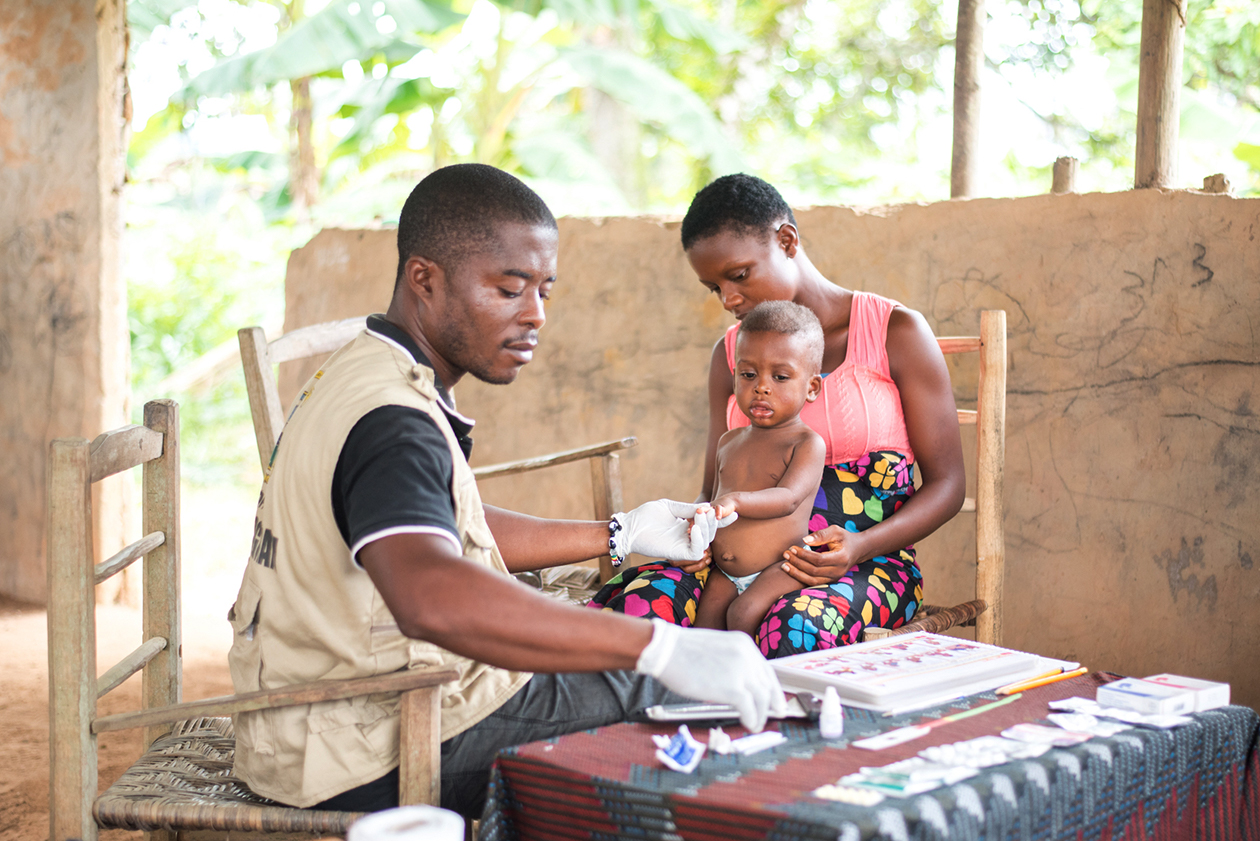
The crisis of Liberia’s healthcare workforce is not merely a statistical anomaly; it is an existential threat to the nation’s socio-economic stability. As Liberia continues to navigate the long shadow of its civil war and the traumatic recovery from the 2014-2016 Ebola virus disease outbreak, the fragility of its human resource capacity in health remains the most glaring obstacle to achieving Universal Health Coverage (UHC). Despite various policy frameworks and interventions, the nation continues to fall drastically short of the World Health Organization’s recommended threshold for healthcare workers, leaving the majority of the population—particularly those in the rural hinterlands—vulnerable to preventable morbidity and mortality. The reality on the ground is that the healthcare workforce crisis is a multifaceted dilemma rooted in historical underinvestment, systemic brain drain, and the punishing reality of rural isolation.
For a nation where more than 70 percent of the population resides outside the urban sprawl of Monrovia, the scarcity of medical professionals translates into a dangerous landscape where childbirth, basic infections, and chronic diseases become life-altering, and often fatal, events. According to recent World Health Organization data, Liberia maintains a density of health workers that is profoundly inadequate. With roughly 0.5 physicians per 10,000 people and a mere 1.
2 nurses and midwives per 10,000—figures that stand in stark contrast to the WHO’s recommended minimum of 23 health professionals per 10,000 population—the system is chronically overstretched. The implications are clear: reduced access to clinical care, skyrocketing out-of-pocket expenses for families who must travel vast distances to reach understaffed hospitals, and a diminished quality of life that hampers the overall productivity of the Liberian economy. The shortage is not uniform, but rather concentrated, creating a chasm between the relatively better-resourced urban health centers and the ghost-like clinics of the rural districts. Historical context is crucial to understanding how Liberia arrived at this juncture.
Decades of civil conflict decimated the country’s infrastructure and prompted a mass exodus of trained medical personnel. Many doctors and nurses fled abroad, seeking stability and competitive remuneration, leaving the domestic training pipelines dry for years. Even as the nation has moved toward democratic consolidation, the legacy of this institutional collapse persists. The health sector has struggled with an inconsistent budget that often fails to prioritize human resource management, competitive salaries, and the essential, albeit unglamorous, operational costs of medical equipment and pharmaceuticals.
When healthcare workers are consistently underpaid, or when salaries are delayed for months, the motivation to serve in remote, underserved areas—where living conditions are often harsh—evaporates. This leads to the phenomenon of 'professional flight' from the public sector to non-governmental organizations or the private sector, or entirely out of the country, further depleting the domestic workforce. Furthermore, the economic repercussions of this shortage are systemic. A nation with a sick population is a nation with a stunted labor force.
When farmers in Bong, Nimba, or Lofa counties cannot access basic preventative care, their agricultural output suffers, exacerbating food insecurity and limiting local trade. The financial burden of seeking care in urban centers frequently forces rural households into cycles of debt, reinforcing poverty and stalling national development goals. Socially, the crisis erodes public trust in state institutions. When citizens feel abandoned by the health system, they turn to traditional healers or unregulated, informal markets for medications, which carries its own set of dangers, including the rise of drug-resistant pathogens.
Addressing this crisis requires a radical shift in how the Liberian government and its international partners approach the healthcare workforce. First, there must be a genuine, sustained increase in domestic investment. This goes beyond just rhetoric; it requires the allocation of a higher percentage of the national budget toward health, specifically earmarked for human resource retention. This means instituting hardship allowances for medical personnel serving in rural districts, ensuring that their pay reflects the difficulty of their service, and investing in basic housing and infrastructure in those regions to make living and working outside of Monrovia a viable lifestyle for professionals and their families.
Second, recruitment and retention strategies must be localized and incentivized. This includes creating robust scholarship programs that require service commitments in underserved counties in exchange for medical or nursing school tuition. By training health workers locally, the curriculum can be tailored to the specific public health challenges facing Liberia, such as maternal health, infectious disease control, and tropical medicine, ensuring that graduates are prepared for the realities of the Liberian countryside. Third, institutionalizing mentorship is vital.
Young, inexperienced healthcare workers often face burnout when they are deployed to remote clinics without supervision. Creating mobile mentorship teams—where seasoned practitioners from major hospitals periodically travel to mentor rural clinicians—can bridge the gap in clinical expertise and improve morale. Technology also plays a role here; investing in telemedicine, where rural clinics can consult with specialists in Monrovia, is a low-cost, high-impact strategy that can significantly improve patient outcomes. Finally, we must foster a more supportive work environment.
This includes providing the necessary medical equipment and a steady supply chain for essential medicines, as there is nothing more demoralizing for a physician or nurse than having the knowledge to treat a patient but lacking the basic tools to do so. A positive work environment, characterized by professional development, access to continuing medical education, and transparent career advancement pathways, is just as important as a competitive salary. The path forward is arduous, but it is not impossible. Liberia has shown resilience in the face of epidemics and conflict; that same spirit must now be harnessed to rebuild the foundation of the state: a healthy, thriving population.
This is a call to action for the Ministry of Health, private sector stakeholders, and international development partners to move from ad-hoc interventions to a long-term, comprehensive strategy. If Liberia is to achieve its development potential, it must recognize that healthcare workers are its most valuable asset. Retaining them, training them, and protecting them is not just an act of charity—it is an investment in the future of the nation. The goal should be to move toward a system where quality care is not a luxury afforded only to those in the capital, but a standard right for every citizen, regardless of their zip code.
The evidence is clear, the strategies are available, and the time for meaningful, sustained change is now. Without addressing the human resource deficit, the broader goals of national development will remain elusive.
