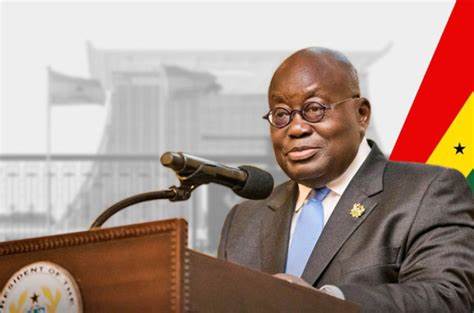
Ghana's decision to implement visa-free travel for all African nationals stands as a watershed moment in the trajectory of the continent’s socio-economic and political development. As outgoing President John Nana Akufo-Addo finalizes this bold policy, scheduled for full implementation in early 2025, Ghana officially positions itself as a central pillar of African integration. By opening its borders to all African passport holders, Ghana joins an exclusive vanguard—including Rwanda, Seychelles, The Gambia, and Benin—that has recognized the profound necessity of removing the colonial-era barriers that have long stifled intra-continental movement. This development is not merely a bureaucratic shift in immigration law; it is a profound articulation of the Pan-Africanist vision championed by Ghana’s founding father, Kwame Nkrumah, who famously declared that Ghana’s independence was meaningless unless it was linked to the total liberation and unity of the African continent.
Today, this legacy finds new expression in the context of the African Union’s (AU) Agenda 2063, the ambitious blueprint for transforming Africa into a global powerhouse by fostering a borderless environment that accelerates trade, cultural exchange, and human capital mobility. For Liberia, a nation deeply intertwined with Ghana through the shared history of the Economic Community of West African States (ECOWAS) and the historic bonds of the Pan-African movement, this policy change creates a strategic ripple effect that demands rigorous domestic reflection and proactive policy recalibration. The economic implications are vast. Ghana, with its robust service sector, expanding financial hubs, and growing industrial base, serves as a primary destination for West African commerce.
For Liberian entrepreneurs, particularly those operating in the Small and Medium Enterprise (SME) sector, the removal of visa hurdles effectively lowers the cost of market entry. It allows for more fluid business networking, the scaling of regional startups, and the potential for a more integrated West African supply chain. When movement is easy, the velocity of trade increases, allowing Liberian agricultural products, artisanal goods, and burgeoning service-sector offerings to tap into the larger Ghanaian market without the friction of consular delays and prohibitive processing fees. However, this ease of movement also introduces the structural reality of economic competition.
A critical concern for Liberia, as it observes its neighbor’s open-door policy, is the potential for talent migration. If Ghana’s economy continues to outpace the region in terms of stability and institutional development, there is a risk of a brain drain where highly skilled Liberian professionals—engineers, medical practitioners, and technologists—might find the pull of Accra’s market too strong to resist. This places a premium on the Liberian government’s ability to foster a domestic environment that retains talent through competitive wages, improved infrastructure, and a more favorable environment for investment. The concept of a borderless Africa often ignores the reality of internal gaps in economic development.
For the policy to be mutually beneficial, Liberia must view this as a catalyst to accelerate its own domestic reforms. Enhancing the competitiveness of the Liberian economy is no longer a luxury; it is a regional necessity to ensure that as borders open, the flow of human capital remains balanced rather than unidirectional. Beyond the economic sphere, there is the undeniable potential for cultural renaissance and tourism growth. Africa’s hospitality sector has long been hamstrung by the complexity of travel requirements.
By aligning with Ghana’s progressive stance, Liberia has the potential to become part of a regional tourism circuit. A traveler arriving in Accra for a conference or a holiday could easily extend their itinerary to include the beaches of Monrovia or the historical sites of Robertsport if entry is seamless. To capitalize on this, Liberia must invest heavily in its tourism infrastructure. Our airports, road networks, and hospitality services must evolve to handle an increase in cross-border arrivals.
The 'Year of Return' initiative in Ghana demonstrated the economic power of diaspora engagement; if Liberia creates a similar atmosphere of openness, it could significantly boost its own visibility on the global stage, attracting visitors who are already exploring the West African sub-region. The security dimension, however, remains the most significant hurdle for any nation contemplating the abolition of visa restrictions. Open borders do not imply lawless borders. The integration of technology in border management, such as the deployment of biometric identification systems and real-time intelligence sharing through regional frameworks like the West African Police Chiefs Committee, is essential.
Liberia must ensure that its border security apparatus is modernized to prevent the movement of illicit arms, transnational criminal syndicates, and extremist elements that continue to threaten the stability of the Sahel and the wider West African coast. Ghana’s approach, which involves a careful phased rollout, serves as a critical case study for the Liberian security sector to observe. Learning from the implementation of Ghana’s E-visa and border-management protocols can help Liberia avoid the pitfalls of policy haste. Regional integration, while beneficial, requires the harmonization of security protocols.
The ECOWAS Protocol on the Free Movement of Persons, which has served as a cornerstone of regional stability for decades, provides the framework upon which these new national initiatives must build. Liberia’s commitment to this protocol must now be accompanied by a more aggressive push for administrative efficiency. If Liberia is to follow Ghana’s lead, it must do so with the understanding that security is the foundation upon which trade and tourism rest. Policymakers must also weigh the social benefits of increased regional connectivity.
A unified Africa is not just a commercial concept; it is a societal one. The cross-pollination of ideas, the strengthening of educational ties, and the deeper understanding of our shared historical trajectories are essential for long-term peace in the region. When Liberians and Ghanaians can move freely, they exchange more than just currency; they exchange narratives, pedagogical approaches, and collaborative strategies for solving challenges such as climate change and public health. This cultural diplomacy is the soft power that will ultimately sustain the AU’s Agenda 2063.
For Liberia, the question is not whether to participate in the trend of liberalization, but how to prepare for it. The nation stands at a crossroads. It can continue to cling to outdated bureaucratic visa structures that serve as bottlenecks to growth, or it can lean into the inevitable tide of continental integration. By adopting a policy framework that prioritizes the digitization of records, the strengthening of regional diplomatic ties, and the aggressive improvement of local infrastructure, Liberia can turn Ghana’s policy shift from a challenge into an opportunity.
The road to a borderless Africa is long and fraught with institutional resistance and logistical challenges, yet the momentum is undeniable. Ghana has thrown down the gauntlet, demonstrating that the political will to transcend borders is the first step toward genuine prosperity. As Liberia watches the early 2025 implementation in Accra, the government and the private sector must engage in a coordinated dialogue about the future of regional travel. Our national destiny is inextricably linked to that of our neighbors.
By embracing the shift toward a more open, integrated, and collaborative West Africa, Liberia can secure its place as a vibrant participant in the emerging African Century, ensuring that the movement of people and ideas leads to a more prosperous and stable future for all Liberians.