
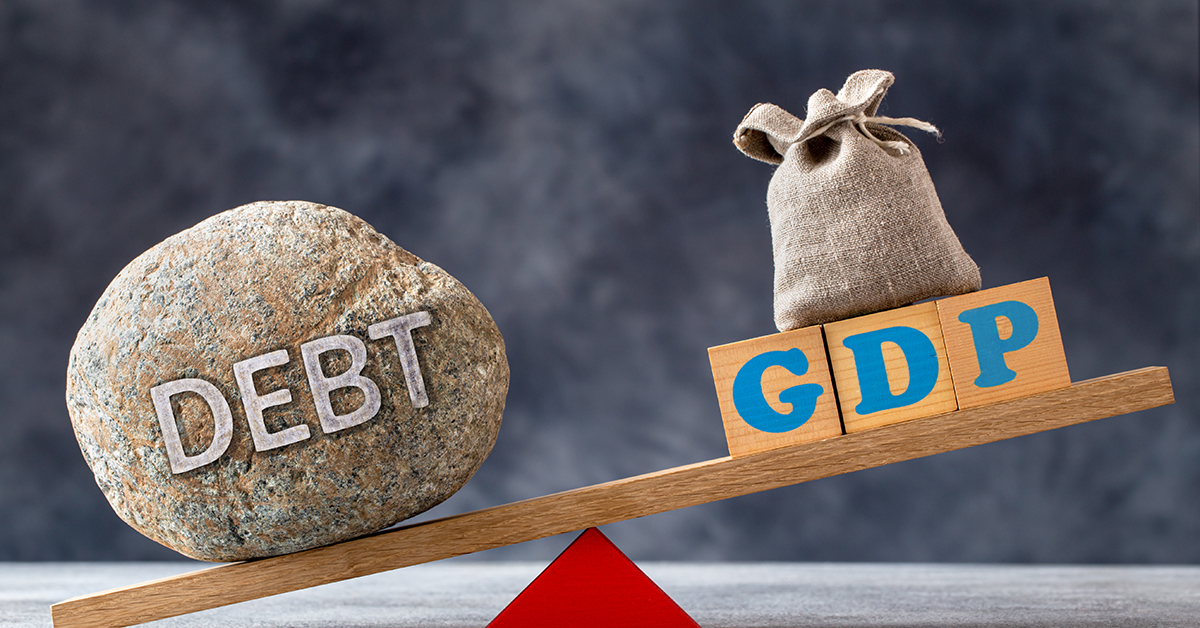
Liberia, a nation forged in the fires of 19th-century optimism and later scarred by fourteen years of brutal civil conflict, finds itself at a precarious economic crossroads. For decades, the narrative of the Liberian state has been inextricably linked to the struggle for fiscal stability and the persistent shadow of debt sustainability. While the country has emerged from the ashes of its past conflicts to build democratic institutions, the fiscal foundations remain alarmingly fragile. The pursuit of sustainable economic growth is frequently stifled by a structural inability to balance national ambitions with limited revenue generation, leaving the government perpetually reliant on external borrowing to bridge the gap between necessity and capacity.
The historical arc of Liberia’s debt is telling. In the immediate aftermath of the devastating civil wars that ended in 2003, the nation was effectively bankrupt. Through the international community’s HIPC (Heavily Indebted Poor Countries) Initiative, Liberia benefited from significant debt relief, yet the cycle of accumulation began anew. By 2013, the country’s external debt had ballooned to a staggering $4.
9 billion, according to World Bank figures. This figure serves as a haunting reminder of the fragility of post-conflict recovery, where the pressure to rebuild infrastructure—roads, schools, and hospitals—often outpaces the nation’s ability to generate domestic revenue. The legacy of this debt has created a rigid fiscal environment. By 2019, the strain became undeniable, with debt service payments consuming nearly a quarter of the government’s annual budget, as reported by the IMF.
This means that for every dollar of revenue collected, twenty-five cents were siphoned off to satisfy international creditors rather than being channeled into the Liberian healthcare system, the classroom, or the dilapidated rural road networks. As of 2021, the nation’s total external debt stood at $1.6 billion, or over 48% of its Gross Domestic Product. While some may point to this as an improvement from the 2013 peak, the context of a stunted economy makes this debt burden disproportionately heavy.
The macroeconomic reality is that debt in Liberia does not merely exist as a figure on a ledger; it is a tangible barrier to human development. When a government is saddled with high interest payments, it is forced to engage in a cruel form of fiscal triage. Investment in education is delayed, public health infrastructure remains underdeveloped, and the basic maintenance of the state’s essential services becomes a secondary priority to maintaining the country's creditworthiness. This scenario creates a cycle of poverty and inequality that is notoriously difficult to break.
Because the state lacks the fiscal space to provide for its citizens, it cannot drive the socioeconomic transformation necessary to broaden the tax base. The result is a persistent reliance on volatile external funding sources. Addressing this structural dysfunction has been the central theme of recent Liberian fiscal policy. Since 2019, the government has attempted to pivot toward more rigorous financial management, introducing a fiscal stabilization plan designed to tighten the belt of state bureaucracy, reduce the fiscal deficit, and improve the efficiency of tax collection.
However, the efficacy of these reforms is hampered by the country’s abysmal revenue mobilization. Currently, tax revenues account for only about 5% of GDP—one of the lowest rates in the entire world. This is a staggering indictment of the current tax administration system and the broader informal nature of the Liberian economy. When the state captures such a microscopic portion of the nation's economic activity, it becomes functionally incapable of financing its own development.
Consequently, the government remains addicted to foreign credit, which only serves to deepen the long-term debt trap. The situation was further compounded by the onset of the COVID-19 pandemic, which acted as a catalyst for fiscal decline. The pandemic did not merely bring a health crisis; it triggered a total disruption of global supply chains and a drastic reduction in domestic economic activity. The state, already operating on thin margins, was forced to increase spending on emergency social protection and health services at a time when tax revenue was plummeting due to lockdowns and reduced commerce.
This "scissors effect”—widening expenditure requirements paired with shrinking income—drove the debt-to-GDP ratio upward, moving from 38.2% in 2019 to 43.5% by 2021. This trend is alarming, particularly for a nation whose regional economic partners in West Africa are also grappling with post-pandemic recovery and the inflationary pressures of a volatile global environment.
The regional significance of Liberia’s debt cannot be overstated; instability in the Liberian economy has spillover effects on regional trade, investment, and cross-border security. Investor confidence, already sensitive to Liberia’s history of political volatility, has been further eroded by the state’s fiscal instability. Without a clear path toward fiscal solvency, international capital remains wary, preferring safer markets and leaving the Liberian private sector to struggle with high interest rates and limited credit availability. This lack of investment stifles the very growth that would eventually generate the revenue needed to pay down the debt.
The path forward for Liberia requires more than simple austerity; it demands a fundamental restructuring of the relationship between the state and the economy. Improving public financial management is not just a technical exercise; it is an act of nation-building. It requires the courage to broaden the tax base into the informal sector, the political will to reduce the exorbitant costs of government operations, and the technical competence to ensure that every dollar borrowed is invested in high-yield infrastructure that creates tangible long-term value. Furthermore, the Liberian government must prioritize institutional transparency to restore the trust of its citizens and international partners.
A tax system that is perceived as unfair or prone to corruption will never achieve high levels of compliance, and without compliance, the 5% tax-to-GDP ratio will remain an anchor holding the nation back. The road to sustainable debt levels is narrow and steep. The government must move away from the mindset of short-term fiscal survival and toward a strategic, long-term framework that prioritizes human capital development as the engine of growth. Only when the Liberian economy is diverse, inclusive, and supported by a robust domestic revenue mobilization system will the country finally break free from the constraints of its historical debt burden.
Until then, Liberia remains in a state of precarious navigation, where every fiscal decision carries the weight of the nation’s future prosperity or continued stagnation.
