
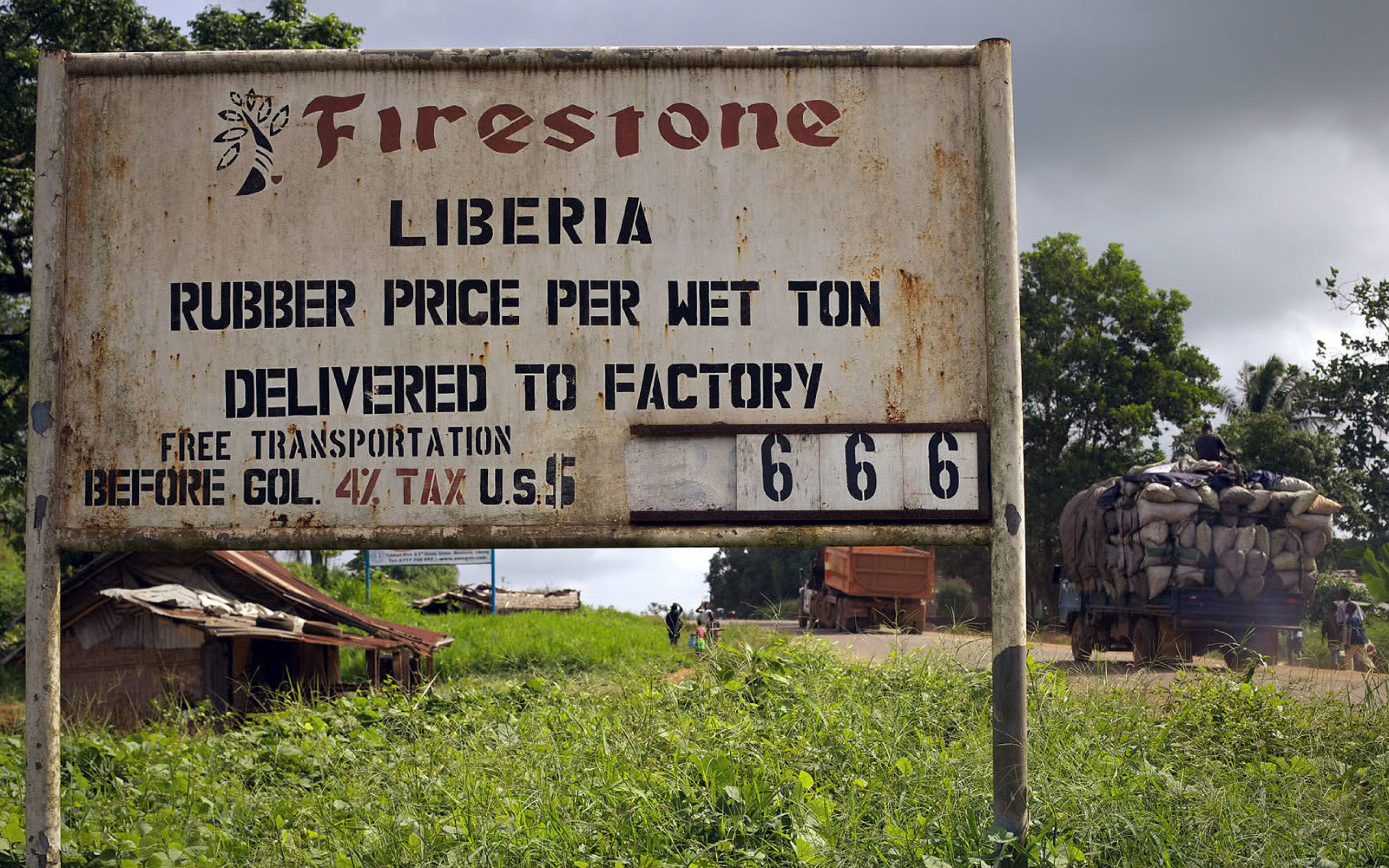
Liberia, a small West African nation with a storied yet tumultuous history, stands at a critical juncture in its developmental trajectory. For decades, the country has remained tethered to the extraction and export of raw materials, a model inherited from the colonial-era economic structures and solidified in the post-civil war reconstruction period. According to World Bank data, in 2019, iron ore, rubber, and timber collectively accounted for 61.2% of the country’s total export revenue.
While these extractive industries provide immediate fiscal inflows, they also tether Liberia’s national prosperity to the unpredictable swings of global commodity markets. This reliance creates a structural vulnerability that hampers long-term planning and makes the nation susceptible to exogenous shocks that are entirely beyond its control. The urgent necessity for economic diversification—shifting from a purely extractive base to a more robust, value-added, and service-oriented economy—has become the central challenge for Liberian policymakers and the private sector alike. Historically, Liberia’s economic development has been synonymous with the 'enclave economy' model.
Since the arrival of the Firestone Natural Rubber Company in the 1920s, the nation’s growth has been driven by foreign concessions that function largely in isolation from the broader local economy. While these concessions built schools, clinics, and internal infrastructure, they failed to foster the domestic industrial linkages required for a sustainable, indigenous middle class. As a result, the national economy remains fragile. When the global price of iron ore or rubber plummets, the ripple effects are felt instantly in Monrovia, manifesting as currency depreciation, high inflation, and stagnant civil servant salaries.
For instance, the 2015 commodity price collapse served as a grim reminder of this reality, causing the Liberian GDP to contract by 2.5% in 2014, with recovery taking until 2017. This volatility is not merely a macroeconomic statistic; it is a direct inhibitor of social progress, stalling efforts to reduce the high rates of poverty that continue to affect a majority of the population. To mitigate these risks, Liberia must look toward the manufacturing sector as a primary engine for structural transformation.
Currently, manufacturing contributes a meager 3.3% to the country’s GDP. The lack of industrialization means that Liberia ships out raw logs instead of finished furniture, and raw rubber instead of value-added tires or consumer goods. By transitioning toward light manufacturing and agro-processing, Liberia could capture a larger share of the value chain, retain more wealth within its borders, and create the labor-intensive jobs that its youthful population desperately requires.
However, the path to manufacturing is blocked by structural barriers that have persisted for generations. The cost of electricity remains among the highest in the world, the road network—critical for moving goods from the interior to the coastal ports—is frequently impassable during the rainy season, and access to affordable credit for local entrepreneurs is virtually non-existent. These are not merely technical challenges; they are historical legacies of institutional fragility that necessitate radical, systemic reform. Furthermore, the services sector, particularly tourism and financial technology, offers a pathway that requires less heavy industrial capital than traditional manufacturing.
Liberia possesses an untapped wealth of natural beauty, from the pristine beaches of Robertsport to the dense biodiversity of Sapo National Park. Yet, the lack of modern hospitality infrastructure and international marketing prevents the country from competing with regional neighbors like Ghana or Senegal. Simultaneously, the burgeoning fintech sector presents a significant opportunity. Mobile money and digital banking services are already transforming the way rural Liberians participate in the economy, yet this digitalization is still in its infancy.
A cohesive national strategy to foster a regulatory environment friendly to financial innovation could democratize credit, encourage savings, and accelerate the transition away from a cash-based, informal economy. The challenges, however, are deeply rooted. Corruption remains a significant deterrent to both domestic investment and foreign direct investment (FDI). Investors seek predictability, transparency, and a level playing field, none of which can be guaranteed when bureaucratic processes are opaque or prone to graft.
Liberia faces fierce competition for capital within the West African sub-region. Countries such as Côte d'Ivoire and Nigeria offer larger market sizes and more developed industrial ecosystems, making Liberia’s quest for FDI an uphill battle. To succeed, the government must double down on institutional reform, ensuring that the rule of law acts as a bedrock for business rather than a barrier. The Pro-Poor Agenda for Prosperity and Development (PAPD), launched in 2018, represents the government's formal attempt to address these structural imbalances.
Its focus on infrastructure, agricultural self-sufficiency, and human capital development is technically sound, but its success hinges on implementation. For the PAPD to move beyond rhetoric, there must be a genuine alignment between state planning and private sector engagement. The government cannot carry the burden of industrialization alone; it must create the fiscal incentives—such as targeted tax breaks for manufacturing startups and public-private partnerships for energy projects—that allow local businesses to thrive. Human capital represents perhaps the greatest asset and the greatest challenge.
With over 60% of the population under the age of 25, Liberia has a demographic dividend that, if properly harnessed, could lead to a manufacturing boom. However, the current education system is largely disconnected from the needs of the modern labor market. There is a critical mismatch between the curriculum and the vocational skills required in the fields of engineering, renewable energy, and information technology. Investing in technical and vocational education and training (TVET) is not just an educational policy; it is an economic imperative.
The regional context cannot be ignored either. As a member of the Economic Community of West African States (ECOWAS) and the African Continental Free Trade Area (AfCFTA), Liberia has the potential to export its processed goods to a vast continental market. However, without first achieving internal competitive viability, these trade agreements risk turning Liberia into a mere consumer market for goods imported from more industrialized African peers. Thus, diversification is a matter of sovereignty and regional positioning.
The reliance on commodities is a trap that has locked Liberia into a cycle of poverty and boom-bust growth for nearly a century. Moving beyond this requires more than just policy shifts; it requires a fundamental change in the national mindset. It necessitates a move away from the rentier mentality, where wealth is derived from resource concessions, toward an entrepreneurial culture where value is created through innovation and domestic productivity. The journey is long and fraught with political and logistical obstacles, but the alternatives are far worse.
If Liberia continues to ignore the urgent need for diversification, it remains perpetually vulnerable to the next global market correction. By prioritizing infrastructure development, institutional integrity, and skills-based education, Liberia can chart a course toward a resilient and inclusive economy. The transformation of a nation’s economic structure is a generational project, but for Liberia, the time to lay the foundation is now. Through the steady, transparent, and courageous execution of development strategies, the country can finally shed its status as a peripheral commodity provider and move toward becoming a vibrant, diversified participant in the global economy.
This is not merely an economic ideal; it is the fundamental prerequisite for peace, stability, and the realization of the potential of the Liberian people. Data from 2021 highlights that iron ore and rubber still accounted for a combined 90% of export revenues, demonstrating that the needle has moved very little despite years of talk about diversification. The collapse of the iron ore price in 2015 remains a case study in the danger of inaction. The resulting 2.
5% contraction in GDP was a wake-up call that many in the halls of power have yet to fully answer. As we look to the future, the integration of technology, the modernization of our logistics, and the fostering of a robust domestic manufacturing sector must remain the primary pillars of the national agenda. The path forward is difficult, but it is clear: Liberia must manufacture its own future rather than exporting its potential.
