
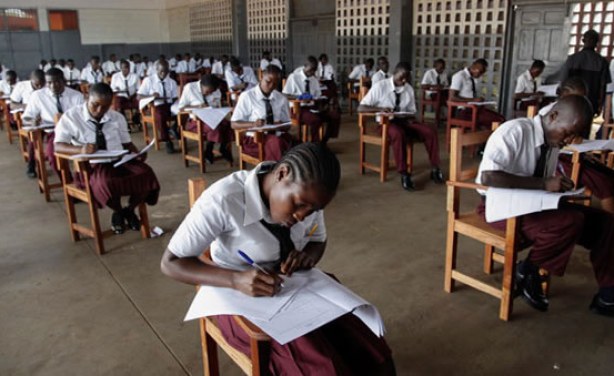
Education serves as the bedrock of national development, acting as the primary vehicle for human capital formation and societal progress. In the context of Liberia, a nation striving to transcend its turbulent history and emerge as a vibrant, productive player in the West African sub-region, the education system stands as a pivotal instrument of change. At the heart of this system lies the curriculum—a dynamic framework that dictates not merely the information imparted to learners, but the very values, competencies, and aspirations of the next generation. As we scrutinize the educational landscape of post-conflict Liberia, it becomes clear that the curriculum is the invisible architect of our future, yet it remains a subject of intense debate and urgent necessity for reform.
Since the cessation of the brutal fourteen-year civil conflict in 2003, the Liberian government and its international partners have placed education at the center of the national reconstruction agenda. However, decades later, the systemic challenges persist. The structure of the Liberian schooling system, consisting of six years of primary, three years of junior high, and three years of senior high school, mirrors traditional Western models. While this structure provides a standardized pathway, the actual content—the curriculum itself—has often struggled to keep pace with the realities of a 21st-century globalized economy. The curriculum is intended to equip students with basic literacy, numeracy, scientific inquiry, and social studies; yet, persistent indicators suggest that these objectives remain largely elusive for a significant segment of the population.
Recent data from the Ministry of Education has highlighted a sobering reality: the proficiency of Liberian students in foundational subjects is alarming. With only 15% of students demonstrating proficiency in reading and a mere 18% in mathematics according to reports from 2016 and subsequent assessments, the gap between what is taught and what is learned is wide. This indicates that the current pedagogical approach may be suffering from a lack of alignment between instructional design and the learning environment. Furthermore, the curriculum has been criticized for being overly theoretical. In an economy like Liberia’s, where formal employment in the public or corporate sector is limited, the focus on rote learning of traditional subjects often fails to foster the entrepreneurial spirit, technical aptitude, or practical vocational skills required for self-reliance and local economic growth.
This discrepancy creates a profound skills gap that ripples through our economy. As emerging industries in technology, agriculture, and renewable energy begin to demand a more sophisticated workforce, our current graduates are often ill-equipped to meet these technical requirements. This mismatch risks stalling national development goals, as the country finds itself importing expertise for roles that could—and should—be filled by Liberian youth. The urgency for reform is clear: to build a resilient economy, the education sector must transition from a model of passive information intake to one of active competency-based learning.
In response to these systemic flaws, the Ministry of Education embarked on the ambitious task of launching a new curriculum framework in 2018. This framework represents a paradigm shift, aiming to pivot toward a more holistic, competency-based education system. It seeks to integrate practical skills such as financial literacy, vocational training, and critical thinking into the daily life of the classroom. However, the path to implementation is fraught with structural hurdles. A curriculum is only as strong as the ecosystem that supports it. In Liberia, that ecosystem is currently strained by severe resource shortages. Many rural schools lack basic textbooks, stable electricity, and internet connectivity, rendering the delivery of a modern, tech-integrated curriculum nearly impossible in many regions. Furthermore, the sheer scale of the curriculum overhaul has invited criticism from educators who argue that the framework, while visionary, may be untethered from the logistical realities of our current school infrastructure.
The implications of these challenges extend far beyond the classroom, influencing the broader socio-economic trajectory of the nation. Low proficiency rates contribute significantly to high dropout rates, particularly as students move into higher grades where the demand for mastery increases. When students fail to grasp the fundamentals early on, they become disillusioned and disengaged, often exiting the system to enter the informal labor market without a safety net of skills. This exacerbates cycles of poverty and limits the long-term potential of Liberia’s demographic dividend. Additionally, the neglect of the informal sector—which employs the vast majority of our citizens—within the curriculum design means that the education system fails to validate or improve the livelihoods of the masses.
Perhaps most importantly, there is a deep-seated critique regarding the cultural relevance of the curriculum. The reliance on imported, Western-centric educational models has often come at the expense of incorporating Liberian history, local governance structures, and the rich cultural heritage of the various ethnic groups that constitute the nation. An education system that fails to center the student’s own history can inadvertently contribute to a diminished sense of national identity. True transformation requires a curriculum that is both globally competitive and locally rooted, fostering a sense of civic responsibility and pride that is essential for social cohesion in a post-conflict nation.
Addressing these systemic deficiencies requires a multi-pronged approach that transcends simple policy shifts. We must conduct a comprehensive, inclusive audit of the curriculum that transcends the walls of the Ministry of Education. This audit should be an iterative process, inviting the voices of classroom teachers, students, civil society organizations, and local community leaders. Teachers are the frontline workers of the education system, yet they are too often left out of the planning process. Professional development must be prioritized; a curriculum is only effective when the educator possesses the tools, pedagogical skills, and confidence to translate it into engaging lessons. We must shift from seeing teachers merely as implementers to seeing them as co-creators of educational success.
Furthermore, the government must foster stronger partnerships with the private sector to bridge the vocational divide. By aligning the curriculum with the specific needs of local industries, such as agro-processing, construction, and digital services, Liberia can ensure that its youth are graduating into a market that actually needs their specific skill sets. This collaborative approach would help create a virtuous cycle of investment, as businesses are more likely to support educational institutions that produce high-performing, career-ready graduates.
In conclusion, the curriculum remains the vital heart of Liberia’s education infrastructure. While we have made strides in recognizing the need for change, the journey from policy to classroom reality remains arduous. We must move beyond the rhetoric of reform and commit to the hard work of creating a system that is sufficiently resourced, culturally resonant, and economically relevant. By empowering our teachers, grounding our curriculum in the Liberian context, and linking education directly to national economic priorities, we can cultivate a generation that is not merely literate, but empowered to lead the nation into a more prosperous future. The task is monumental, but the cost of inaction—a future defined by stagnation and untapped potential—is one that Liberia simply cannot afford to pay.



