
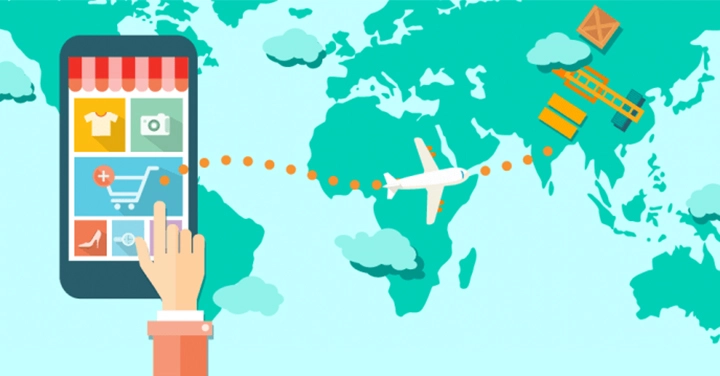
Cross-border e-commerce, defined as the digital trade of goods and services across international boundaries, represents one of the most transformative economic shifts of the twenty-first century. As global connectivity expands, the reach of the marketplace is no longer confined by physical geography, but rather by the limits of digital infrastructure and policy frameworks. With global cross-border e-commerce sales reaching an staggering $4.9 trillion in 2021, the world is witnessing a fundamental change in how commerce is conducted.
For a nation like Liberia, which is currently seeking to diversify its post-conflict economy, this shift offers a unique, albeit daunting, opportunity. As we look at the landscape of Liberian commerce, cross-border e-commerce serves as a bridge, potentially connecting local artisans, farmers, and entrepreneurs directly to consumers in North America, Europe, and Asia. However, the gap between this potential and reality is defined by systemic challenges that have long plagued Liberia’s business environment. Historically, Liberia has relied heavily on the export of raw materials—iron ore, rubber, and timber—to sustain its economy.
This dependency on commodity markets has left the country vulnerable to global price fluctuations. By pivoting toward e-commerce, Liberia could potentially shift toward a more value-added economy, where finished products—whether processed agricultural goods or handcrafted Liberian textiles—are sold directly to international markets, retaining more profit within the country. The opportunity here is not merely commercial; it is developmental. By empowering small and medium-sized enterprises (SMEs) to bypass traditional, often exploitative, middleman supply chains, Liberia can foster a more inclusive economic model.
The global demand for authenticity, particularly in artisan goods and unique cultural products, positions Liberia as a potential competitor in niche international markets. Furthermore, the competitive advantage of lower labor and production costs offers a legitimate springboard for scaling these operations, provided the underlying digital and logistical foundations are stabilized. Despite these prospects, the reality on the ground remains stark. The primary barrier to entry for many Liberian businesses is the country’s enduring struggle with infrastructure.
The logistical nightmare of moving goods from Monrovia to international destinations is a sobering reminder of the hurdles businesses face. Our ports and roads have not been adequately modernized to handle the rapid, high-volume shipping required for successful e-commerce operations. When shipping a single item costs nearly as much as the product itself, the business model becomes untenable for all but the most niche luxury goods. Additionally, the digital divide remains a significant factor; while mobile penetration is rising, high-speed, reliable internet access is still a luxury, not a utility, for most Liberian entrepreneurs.
The financial sector presents its own unique set of obstacles. Cross-border payments are the lifeblood of e-commerce, yet Liberia remains largely disconnected from the global financial infrastructure that powers modern digital payments. The lack of universal access to reliable international payment gateways, combined with the complexities of existing banking regulations, forces many to rely on informal, high-fee money transfer services. This not only increases costs but also erodes consumer trust, as buyers in overseas markets may be wary of purchasing from platforms that cannot guarantee secure, transparent payment processing.
Regulatory hurdles further complicate the picture. Navigating the legal frameworks of one’s own country is difficult enough; attempting to harmonize those operations with the disparate trade regulations of multiple foreign jurisdictions is a task that requires a level of institutional and legal capacity that most Liberian SMEs simply do not possess. As we examine the regional context, Liberia lags behind its West African neighbors such as Nigeria and Ghana, which have made more significant strides in creating 'digital sandboxes' and supporting fintech ecosystems. These countries serve as cautionary tales and models for Liberia; they demonstrate that while growth is possible, it requires deliberate state intervention.
The Liberian government must move beyond rhetoric and prioritize the digitization of the economy. This involves a multi-pronged strategy. First, investment in infrastructure must be viewed as an investment in digital sovereignty. Modernizing the Freeport of Monrovia and upgrading last-mile logistical support are not just construction projects; they are fundamental to our future economic security.
Second, the government must spearhead a national e-commerce strategy that includes training and education. Many Liberian business owners are unaware of how to leverage global platforms, optimize for international search engines, or manage international customs documentation. Providing state-sponsored training programs could bridge this knowledge gap. Third, and perhaps most importantly, the government must work with financial institutions to promote digital literacy and simplify the use of mobile money for international transactions.
The UN Conference on Trade and Development has signaled that Africa is primed for an e-commerce boom, estimating a market value of $29 billion as of 2022. Liberia risks becoming an economic island if it does not integrate its policies with the broader African Continental Free Trade Area (AfCFTA) frameworks. By streamlining customs procedures, harmonizing electronic transaction laws, and reducing the administrative burden on small exporters, the government can stimulate a shift from subsistence-level trade to formal, globalized commerce. We must also consider the role of international partnerships.
Partnerships with global e-commerce giants and logistics providers can provide the technical expertise and shipping infrastructure needed to scale. However, these partnerships must be structured to ensure they benefit local ecosystems rather than just extracting value. As Liberians, we are uniquely positioned to leverage our cultural diaspora, which serves as a ready-made market for Liberian-made goods. This emotional connection to the homeland can be the initial catalyst for trade, provided that the logistics are in place to make the products accessible.
The digital revolution is not waiting for Liberia. If we are to remain relevant in an increasingly interconnected global economy, we must tackle the logistical, financial, and regulatory challenges with the urgency they deserve. The path forward is difficult, but the potential to redefine Liberia's place in the world economy—from a mere exporter of raw materials to a hub of creative and digital commerce—is worth the effort. Achieving this will require a shared commitment between the public sector, which provides the enabling environment, and the private sector, which provides the innovation.
Only through this concerted effort can we ensure that the digital age becomes a period of prosperity rather than one of missed opportunity.
