
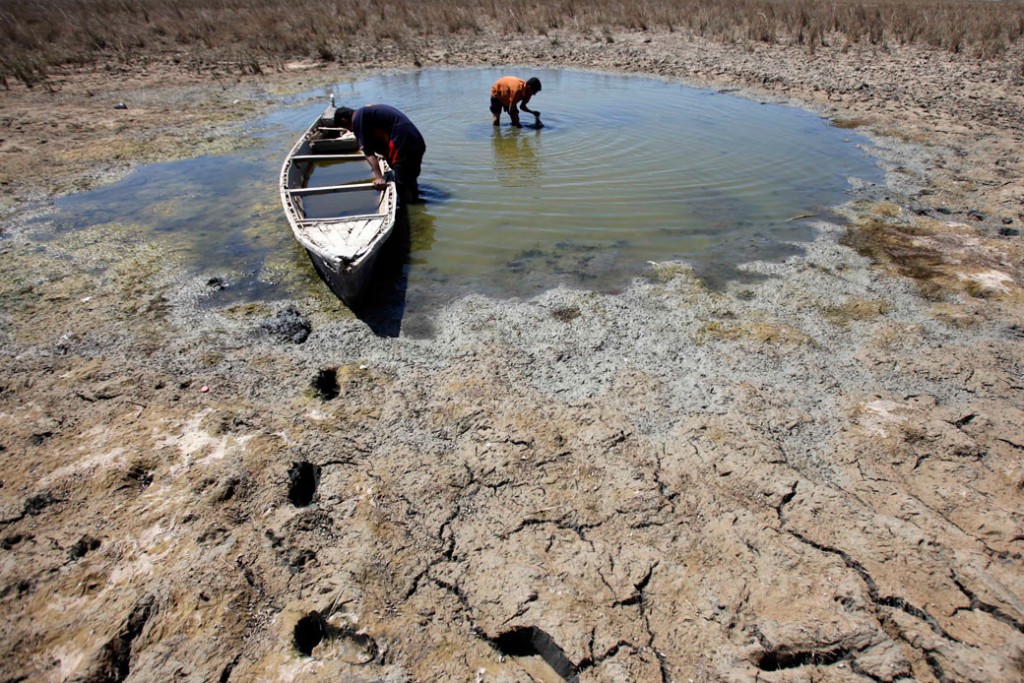
Liberia, a nation defined by its lush rainforests, extensive Atlantic coastline, and resilient population, stands at a precarious crossroads in the twenty-first century. While the global conversation regarding climate change often focuses on industrialized nations, Liberia represents the stark reality of climate injustice: a country that contributes minimally to global greenhouse gas emissions yet suffers disproportionately from their devastating effects. As an investigative platform, Insights Liberia observes that the environmental challenges facing the nation are not merely meteorological phenomena; they are systemic threats to the very fabric of our political, social, and economic stability. The current data is alarming.
According to the World Bank, Liberia is ranked 181 out of 181 countries in terms of vulnerability to climate change impacts. This categorization is not a badge of honor but a severe indictment of the existential risk facing the Liberian state. Furthermore, the nation ranks 174 out of 190 countries in the Environmental Performance Index (EPI), highlighting a systemic struggle to integrate sustainability into the national development agenda. The scientific evidence is undeniable.
Liberia's coastline, which serves as the backbone for major urban centers like Monrovia, Buchanan, and Greenville, is eroding at an average rate of 2.6 meters per year. Projections indicate that sea levels in the country could rise by 27 to 32 centimeters by 2050, threatening to submerge key infrastructure, informal settlements, and historic coastal communities that have existed for generations. This physical encroachment is already manifesting as frequent flooding, saline intrusion into freshwater reservoirs, and the destruction of the livelihoods of thousands of artisanal fishermen and coastal dwellers.
The historical context of this struggle is vital. Following decades of civil war, Liberia’s efforts to rebuild its national identity have been constantly undercut by environmental degradation. During the post-conflict era, the race for economic recovery often prioritized the exploitation of natural resources, leading to extensive deforestation and land degradation. Between 2001 and 2014, the Food and Agriculture Organization (FAO) recorded that Liberia lost 20% of its forest cover.
This massive depletion of the Upper Guinean Forest—a global biodiversity hotspot—has removed essential natural buffers that mitigate flooding and stabilize soil. When forests disappear, the ecosystem’s ability to sequester carbon and regulate local temperatures diminishes, exacerbating the heat waves now increasingly common in the interior counties. The political implications of this environmental decline are profound. In Liberia, where the majority of the population relies on subsistence agriculture, climatic disruption is an existential threat to food security.
When rain patterns shift, smallholder farmers—who form the backbone of the rural economy—experience reduced yields or total crop failure. These economic shocks do not exist in a vacuum; they ripple through society, triggering migration from rural areas to already congested urban centers like Monrovia. This internal displacement exerts immense pressure on urban infrastructure, housing, and social services, creating fertile ground for social unrest and political discontent. As the state struggles to provide basic amenities, the inability to mitigate environmental disasters can undermine public trust in government institutions.
Economic stability is equally fragile. The mining sector, a significant pillar of Liberia's foreign exchange earnings, is not immune to these shifts. Pollution from large-scale industrial activities, combined with poor waste management practices, has contaminated vital watersheds. The degradation of these water sources affects not only human health but also the agricultural viability of downstream communities.
When industrial growth is disconnected from environmental stewardship, the resulting degradation creates long-term financial liabilities that far outweigh short-term gains. Looking at the regional context, Liberia is not an isolated actor. The nation is a signatory to the ECOWAS Climate Change Policy and the Abidjan Convention, acknowledging that climate risks ignore national borders. Coastal erosion, for instance, is a regional menace affecting the entire Bight of Benin and the West African coast.
Effective mitigation requires a collaborative approach that harmonizes policy across member states, particularly concerning coastal zone management and the regulation of transboundary pollution. However, the path forward is not entirely devoid of hope. Liberia has demonstrated political will by developing its National Adaptation Plan (NAP) and submitting ambitious Nationally Determined Contributions (NDCs) under the Paris Agreement. These frameworks are essential roadmaps for transitioning toward a greener, more resilient economy.
The integration of climate resilience into the national budget and development strategy is a necessary step that requires sustained political momentum. The international community, through the United Nations Development Programme (UNDP), the Global Environment Facility (GEF), and the Green Climate Fund, has provided necessary technical and financial support. These partnerships are instrumental, but they must be matched by a robust domestic commitment to governance and accountability. The challenge for Liberia lies in moving beyond the signing of treaties and into the phase of tangible, community-level implementation.
This involves reforestation efforts that prioritize local engagement, the construction of durable coastal defense infrastructure, and the enforcement of environmental regulations that hold both state and non-state actors accountable for pollution and illegal land use. Furthermore, the role of youth advocacy and local leadership cannot be overstated. As the generation most impacted by future climate trajectories, Liberian youth have the potential to drive the green economy, provided they are given the education and the space to innovate. Similarly, traditional leaders, who possess deep knowledge of their local environments, must be empowered to participate in climate governance.
In conclusion, the climate crisis in Liberia is an intersectional challenge that blends history, economics, and governance. It is a reality that demands a departure from the business-as-usual approach. If the goal of the Liberian state is to achieve long-term prosperity, then environmental protection must be viewed as an integral component of national security rather than an external or optional consideration. By leveraging international cooperation, fostering public-private partnerships that prioritize sustainability, and empowering local communities to protect their natural heritage, Liberia can navigate these stormy waters.
The task is monumental, but the cost of inaction—measured in lost land, diminished food security, and weakened national stability—is a price that the nation cannot afford to pay. It is time for a paradigm shift where the preservation of Liberia’s natural wealth becomes the catalyst for a new era of resilience and sustainable development.


