
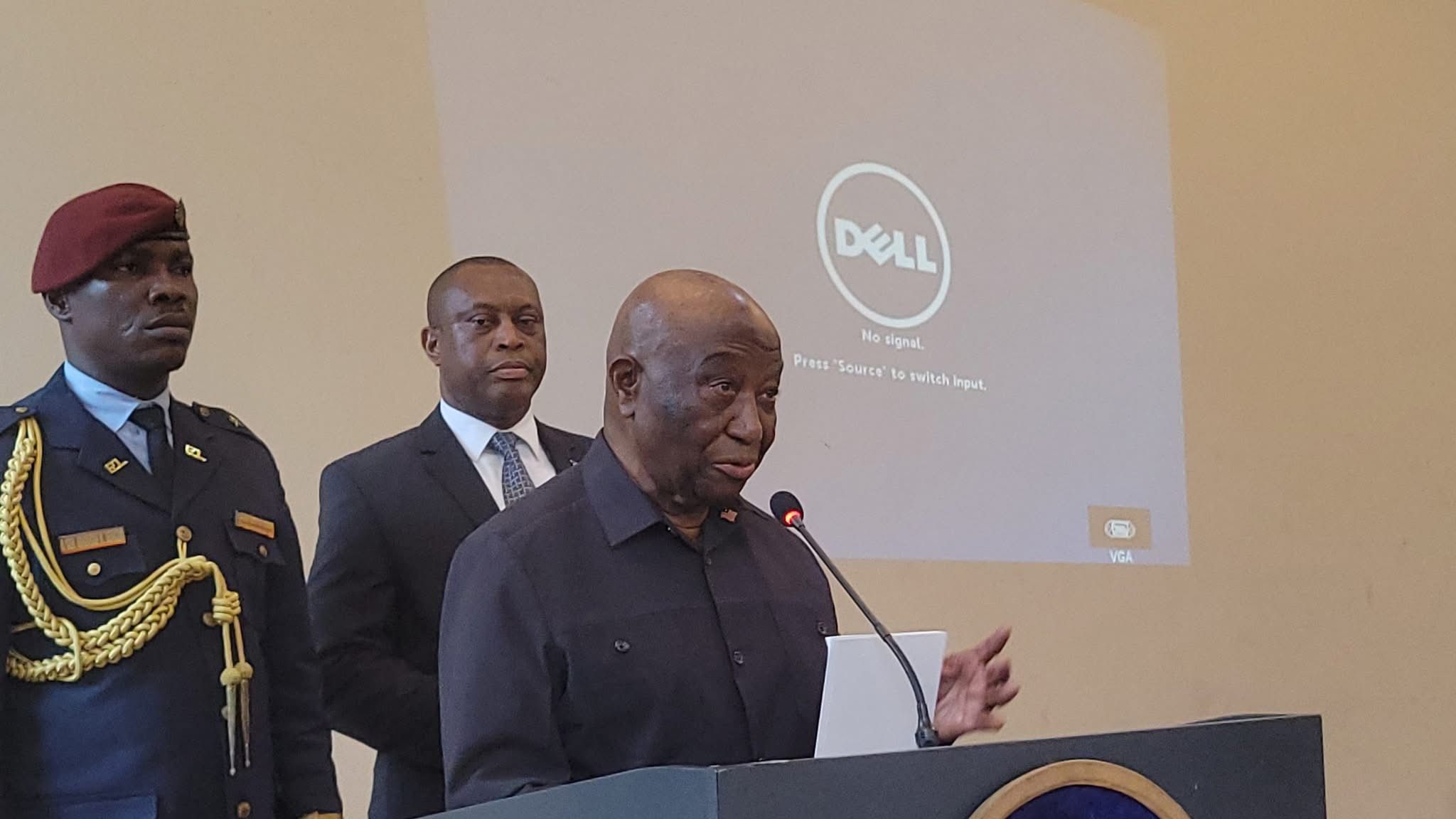
The presidency of Joseph Nyuma Boakai, once heralded as the beacon of steady, experienced leadership that Liberia desperately craved after years of populist turbulence, is currently undergoing a painful metamorphosis. As the administration navigates the treacherous waters of its second year, a recurring and increasingly alarming pattern has emerged: the President is being systematically cordoned off from the heartbeat of the nation. The events of July 17—a day of widespread protest and public frustration—served as a stark, irrevocable indicator of a presidency trapped within what can only be described as a 'Party Box.' This construct is not merely a metaphor; it is a clinical barrier erected by handlers, inner-circle advisers, and partisan stalwarts who appear more interested in shielding a fragile image than in addressing the structural decay of the Liberian state.
When the President dismisses the genuine grievances of his citizens with a flippant, 'I see protesters on their placards saying, Boakai can’t lie. But let me tell them that they can lie and we are moving this country forward,' he is not merely failing to communicate; he is signaling a fundamental detachment from the lived reality of a populace grappling with systemic poverty, erratic service delivery, and the pervasive shadow of corruption. History in Liberia has repeatedly shown that when a president is severed from the streets, the inevitable result is a disconnect that leads to political instability. The legacy of past administrations, from the paternalistic arrogance that preceded the civil war to the eventual collapse of institutional trust in recent years, serves as a haunting reminder of what happens when the Executive Mansion becomes an echo chamber.
President Boakai, a man whose career was built on the premise of being a 'steady hand,' now risks becoming the prisoner of those same hands that steer his schedule, curate his briefings, and write his scripts. This 'Party Box' is a tactical formation designed to insulate the presidency from accountability, prioritizing the survival of the Unity Party apparatus over the urgent, transformative reforms that the Liberian people voted for in 2023. The handlers surrounding Boakai have replaced genuine statecraft with a form of political theater where the performance of governance is valued higher than the substance of progress. They insulate him from the harsh criticism of civil society organizations (CSOs), such as the Center for Transparency and Accountability in Liberia (CENTAL), and turn a deaf ear to the legitimate petitions of groups like STAND.
By doing so, they are not protecting the President; they are starving him of the truth. In the context of Liberia’s fragile post-conflict democracy, the President’s role is that of a national healer and a chief architect of policy. However, the current strategy of denial—dismissing protesters as liars and labeling dissent as mere political theater—is a dangerous escalation. When citizens take to the streets, they are doing so because the formal avenues of grievance, such as the legislature and the courts, have often failed to provide redress.
For a President to respond with scorn is to alienate the very base that placed him in power. This detachment has profound economic and social implications. The cost of living crisis, frequently cited by protesters who lament that 'the generator is eating more than us'—a nod to the exorbitant costs of energy and basic infrastructure—is real. It is felt in every market stall in Waterside, in every classroom in Monrovia, and in every rural community that lacks electricity and clean water.
By framing these cries for help as fabrications, the Boakai administration is essentially telling its citizens that their suffering is an illusion. This is not just poor politics; it is a moral failure. The regional significance of this cannot be understated. Liberia, as a country with a pivotal role in the Mano River Union, needs a leadership that is transparent and responsive to its people.
A leader who is perceived as a puppet of his party hacks loses not only domestic legitimacy but also regional standing. International partners and investors watch these dynamics closely. They look for signs of a stable, responsive government capable of managing national resources without the stain of political cronyism. When the President is seen to be shielding corruption or ignoring the calls for audit, he undermines the very institutions that sustain Liberia’s fragile peace.
The 'Party Box' mentality is also eroding the internal integrity of the Unity Party itself. Reports suggest that allies are beginning to turn, not because of a sudden ideological shift, but because the path of denial is becoming unsustainable. The persistence of the 'Boakai can’t lie' narrative on the streets, met by the defensive posture of the Executive, creates a toxic cycle of accusation and counter-accusation that stalls national development. If the President remains behind the wall of his inner circle, he will never see the systemic corruption that festers beneath his feet, nor will he see the erosion of his own historical legacy.
He must demand honest counsel. He must seek out those who are not afraid to tell him that his policies are failing, that his ministers are underperforming, and that the public is losing patience. The presidency is not a social club for party loyalists; it is a sacred trust. For the Liberian presidency to regain public trust and credibly address the nation’s challenges, Boakai must break free.
He must demand accountability from his own cabinet, hold those accused of corruption to the standard of the law, and engage with civil society as partners rather than enemies. He must pivot from the rhetoric of 'moving forward' to the actual mechanics of moving the nation upward. The current performance, directed by handlers whose interests are clearly misaligned with the national good, is a liability that Liberia can no longer afford. Every day that passes with the President trapped in this enclosure, the chasm between the governed and the governor widens.
It is time for President Boakai to step out of the box. He needs to face the citizenry, not with rehearsed lines or the arrogance of power, but with the humility and transparency that he promised during his campaign. The challenges—be they economic, infrastructural, or ethical—will not vanish because they are ignored. They will only continue to grow until they finally overwhelm the structure of the state.
The choice is clear: either be a president who listens, reforms, and unites, or be a president who is managed into insignificance by those who fear the truth more than they value the nation. Liberia deserves a leader who is present, transparent, and courageous enough to admit when the path needs to be corrected. The time for spin is over; the time for substance is long overdue.
