
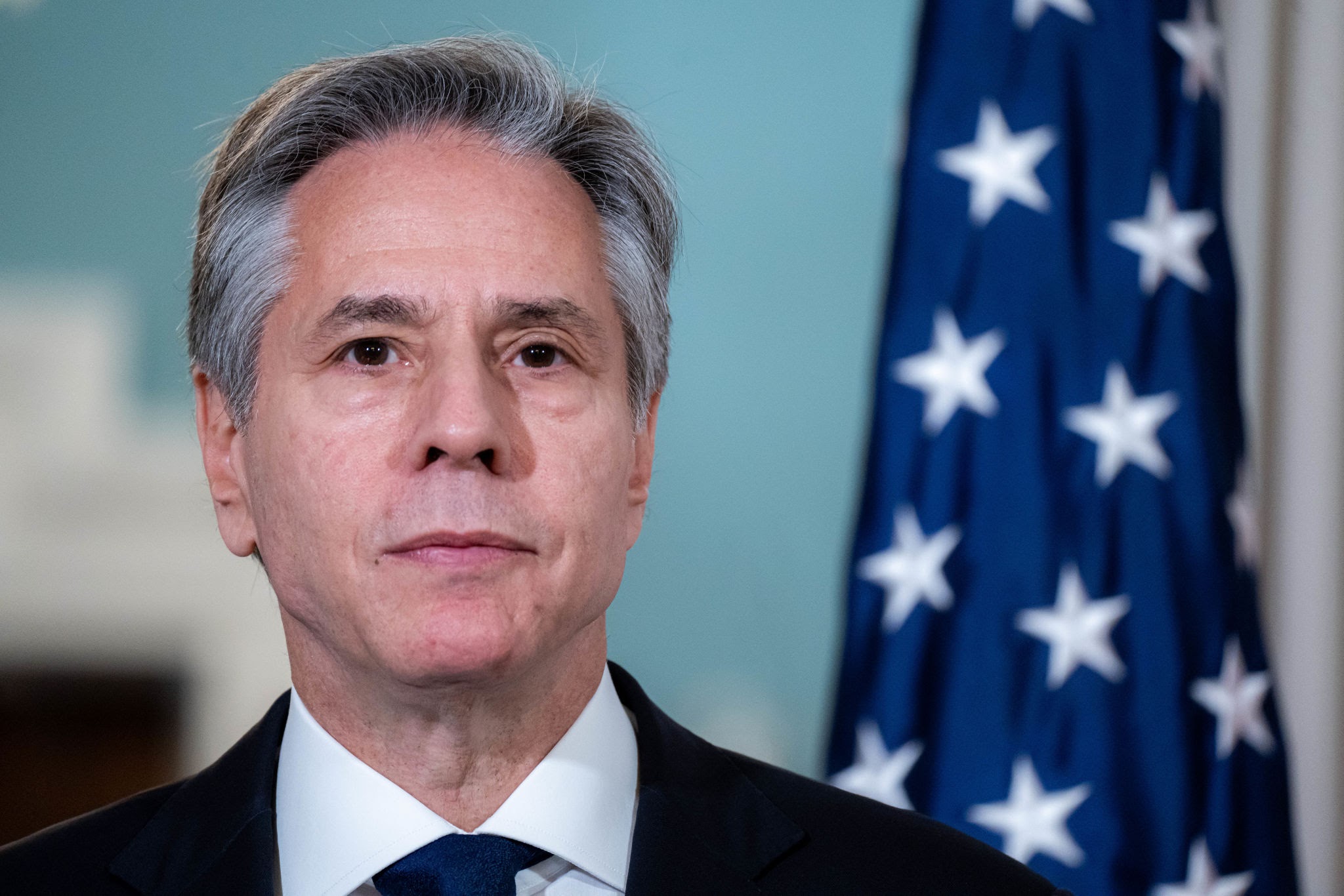
In an era where international relations and the structural integrity of democratic governance play a pivotal role in shaping the global landscape, the United States' recent announcement regarding a stringent visa restriction policy for Liberia holds profound implications. This development, which emerged on September 27, 2023, via an official statement from U.S. Secretary of State Antony J.
Blinken, is not merely a bureaucratic adjustment but a powerful instrument of foreign policy intended to safeguard the democratic trajectory of the world’s oldest republic. At Insights Liberia, we believe it is our duty to delve into the intricacies of this policy, providing a comprehensive, historical, and economic analysis for ordinary citizens who find themselves at the intersection of local political maneuvers and global diplomatic currents. The policy, enacted under Section 212(a)(3)C) of the Immigration and Nationality Act, serves as a sharp warning to those who might seek to subvert the collective will of the Liberian populace. Historically, Liberia and the United States have shared a unique, centuries-old relationship—one often characterized by a profound sense of paternalism, shared values, and mutual strategic interest.
The imposition of this policy must be viewed through this historical lens. From the American Colonization Society’s involvement in the 1820s to the intense strategic reliance during the Cold War and the peacekeeping efforts that followed the two brutal civil wars in the late 20th and early 21st centuries, Washington has remained the primary architect and stakeholder in Liberia’s state-building efforts. By implementing these visa restrictions, the United States is signaling a recalibration of its engagement: moving away from unconditional support toward a ‘conditional engagement’ model that demands adherence to democratic norms in exchange for international legitimacy. The policy specifically targets individuals responsible for manipulating or rigging the electoral process, those who utilize state resources or private thugs to suppress the fundamental rights of citizens, and actors engaged in systemic bribery or coercive practices designed to influence the outcome of an election.
The reach of this policy is broad, extending not just to the perpetrators themselves, but to their immediate family members, effectively raising the stakes for political elites who often view access to the United States—for education, medical care, or business—as a prerequisite for their elite lifestyle. The U.S. government has been meticulous in stating that these restrictions are not intended to harm the Liberian people or the sovereignty of the Government of Liberia.
However, the reality of such sanctions often creates a ripple effect throughout the Liberian economy. Many political figures in Liberia are deeply embedded in the business sector, and the signaling of corruption or anti-democratic behavior by a global superpower like the U.S. often triggers secondary scrutiny from international banks, investors, and multilateral institutions.
This could lead to a chilling effect on foreign direct investment, as international partners may become wary of engaging with a political class currently under the watchful eye of the U.S. Department of State. The policy’s precedent is not unique to Liberia; the U.
S. has effectively utilized similar mechanisms in Sierra Leone, Bangladesh, and various nations across Latin America to ensure that electoral contests do not devolve into authoritarian capture. In the context of Liberia, this is particularly salient given the country's fragile history of election-related violence and the 2003 Accra Comprehensive Peace Agreement, which placed a premium on inclusive governance as the only path to stability. By invoking these powers, the U.
S. is essentially attempting to institutionalize a 'cost-benefit analysis' for any politician contemplating the use of electoral fraud. The message is clear: if you undermine the democratic process, you forfeit the privilege of engaging with the world’s most prosperous nation. This policy arrives at a critical juncture for the Liberian electoral cycle, acting as a prophylactic measure against the potential for political actors to incite violence or suppress voter turnout.
It empowers civil society organizations—a backbone of Liberian democracy—by providing them with an international ally that validates their observations. If a civil society group reports electoral irregularities, the U.S. Department of State now has a ready-made framework to investigate and, if necessary, enact sanctions.
This synergy between domestic oversight and international pressure is a significant evolution in Liberian politics. Furthermore, the regional implications cannot be overstated. West Africa, often described as an 'arc of instability' due to a recent wave of military coups and democratic backsliding in neighboring countries like Guinea, Mali, and Burkina Faso, is watching Liberia closely. Liberia is viewed by many as a barometer for the viability of Western-style democracy in the region.
If Liberia can successfully navigate a peaceful transfer of power under the scrutiny of such policies, it could serve as a model for regional stability. Conversely, if these measures fail to prevent electoral subversion, it could signify a deeper erosion of American influence in the sub-region. For the average Liberian, the takeaway is one of heightened vigilance. While the policy does not ban you from traveling to the U.
S., it demands that you hold your local representatives accountable. It creates a space where the 'big men' of politics are no longer untouchable, at least in the eyes of their most important international partner. As the election period unfolds, it is incumbent upon the media, the electorate, and the political candidates to recognize that the international community is paying attention.
The policy is not an endorsement of any particular party, but an insistence on the process itself. It forces an environment that prioritizes the ballot box over the barrel of a gun or the heavy-handed influence of systemic bribery. Ultimately, the U.S.
visa restriction policy serves as a significant, though not all-encompassing, safeguard. It reminds us that Liberia’s democratic future is not solely in the hands of the political elite, but is a collaborative endeavor requiring the sustained participation of an informed citizenry. Democracy in Liberia has been bought at a high price—a legacy of sacrifice that requires constant vigilance. By remaining informed and engaged, Liberians ensure that their voices are not just heard, but are the primary drivers of their national destiny.
The international support is a tool, but the mandate remains entirely within the power of the voters at the polls. As we look ahead, the test for Liberia is to utilize this moment of international focus to solidify our institutions, ensuring that even without external pressures, the commitment to free and fair elections becomes a permanent, non-negotiable pillar of our national identity.



