
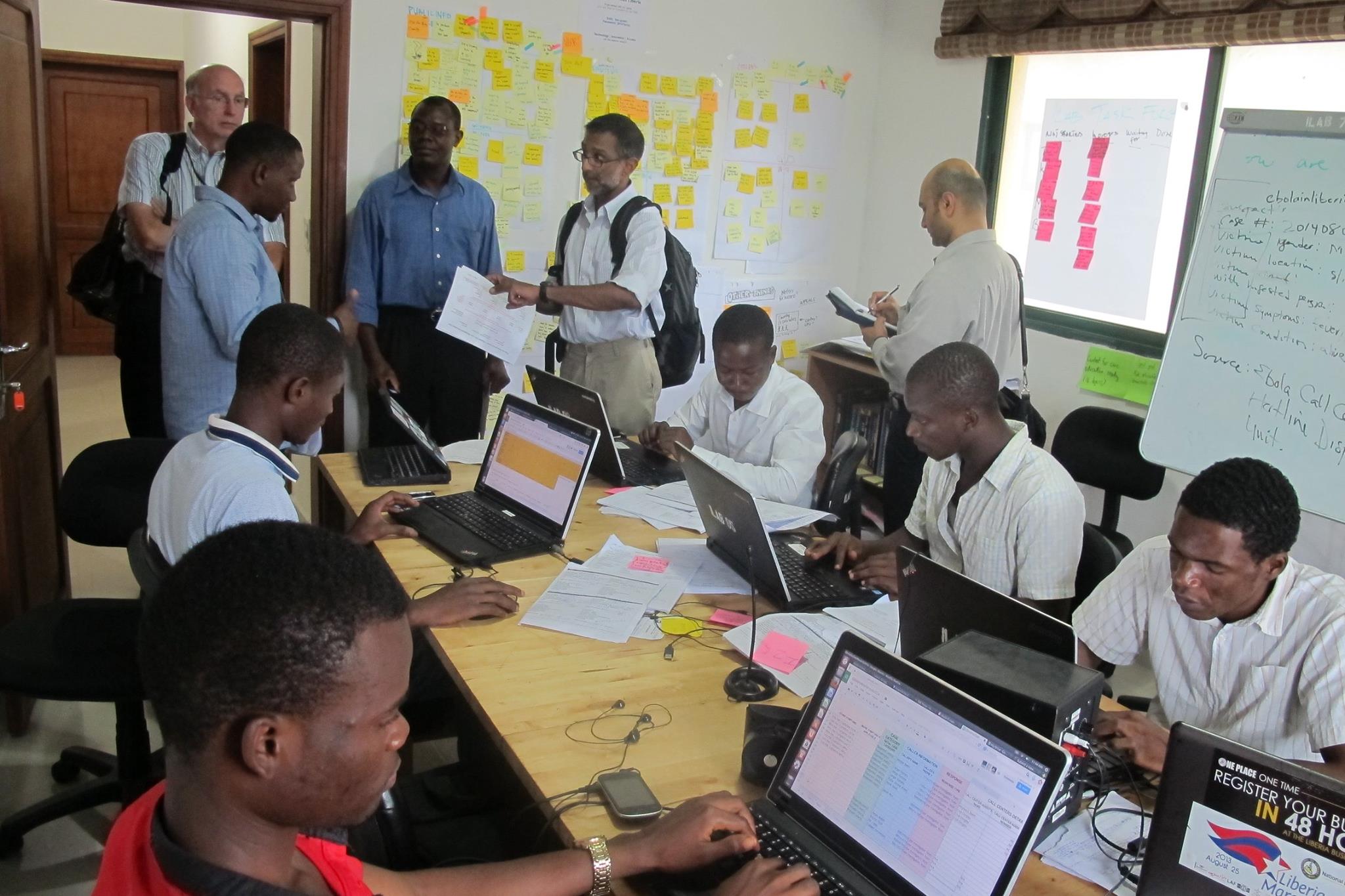
The availability and quality of tech education in Liberia represents one of the most critical bottlenecks to the nation’s long-term economic development and digital transformation. As the global economy continues to pivot toward digitalization, automation, and the knowledge economy, Liberia finds itself at a precarious crossroads. While the tech industry is growing rapidly on a global scale, presenting immense opportunities for emerging economies to bypass traditional industrial stages, Liberia’s capacity to participate in this digital revolution is hampered by systemic educational deficiencies. The current landscape of tech education in the country is characterized by limited institutional infrastructure, outdated curricula, and a persistent scarcity of qualified educators, all of which contribute to a significant skills gap that keeps Liberian youth marginalized from the high-paying jobs of the 21st century.
The implications of this are not merely educational; they are profoundly economic and social, affecting everything from national GDP growth to the ability of the country to attract foreign direct investment in the technology sector. The state of tech education in Liberia is a crucial aspect of the country's development. According to data from UNESCO, in 2019, only 4% of Liberian students were enrolled in tertiary education, with only a small proportion pursuing courses related to science, technology, engineering, and mathematics (STEM). This low enrollment rate in tech-related courses could have significant implications for the future of Liberia's tech industry, as there is an extremely limited pool of skilled workers to draw from, forcing local firms to either outsource high-level technical work or struggle with lower productivity.
Additionally, the quality of education in STEM-related fields in Liberia is a severe concern, with many schools—ranging from primary levels to university settings—lacking basic facilities, reliable internet connectivity, electricity, modern software, and instructors with practical, industry-aligned experience. To understand the gravity of the situation, one must look at the historical context. Liberia, as Africa’s oldest republic, has long faced challenges related to civil instability and infrastructure decay. Following decades of conflict, the national focus shifted toward basic survival and foundational education.
While literacy and primary education remain the bedrock of social policy, the transition to a modern digital economy requires a paradigm shift that integrates vocational and tertiary tech training directly into the national development agenda. Historically, Liberia's economy has been overly reliant on extractive industries like rubber, iron ore, and timber—commodities subject to the volatile swings of international markets. A shift toward a service-led economy, anchored by a tech-savvy workforce, is the only sustainable path forward to diversifying the economy and providing long-term employment for a young, burgeoning population. It is worth noting that some efforts have been made to improve tech education in Liberia.
The government, often in partnership with multilateral organizations like UNESCO and the African Development Bank, has invested in teacher training, curriculum development, and the provision of basic education materials. While these initiatives are commendable, they have often lacked the scale and technological depth required to create a truly competitive workforce. The gap between these well-intentioned policy interventions and the harsh reality on the ground—where students still grapple with power outages and a lack of access to even the most basic computing hardware—remains wide. There are a number of formidable challenges facing tech education in Liberia.
Primary among them is a lack of qualified teachers. There are a limited number of tech educators in Liberia who possess both theoretical mastery and practical, up-to-date industry experience. This is partly due to the fact that tech professionals can often earn significantly more by working for private sector firms or international organizations than by teaching in institutions that often struggle to pay competitive salaries. Furthermore, the lack of resources is a crippling factor.
There is a scarcity of computers, specialized software, and stable laboratory environments. Without hands-on experience, students are essentially learning computing through textbooks, which is fundamentally incompatible with the iterative, project-based nature of modern software engineering and data science. Finally, the chronic lack of public funding means that many schools and universities operate on shoestring budgets, unable to keep pace with the rapidly evolving nature of the tech landscape, where the tools used today can become obsolete within months. The quality of tech education in Liberia is, as a result, often poor.
Many students graduate with degrees in computer science or related fields only to find that their theoretical knowledge is not aligned with the demands of the current market. This creates a skills mismatch where local businesses are unable to hire locally for positions like network administration, cybersecurity, or software development. As a consequence, many Liberian students are unable to obtain the skills they need to succeed in the tech industry, leading to underemployment or migration of the country's brightest minds to more developed ecosystems. Interestingly, the number of students pursuing tech-related courses in Liberia is increasing.
There is a palpable sense of urgency among the youth, who recognize that tech skills are the keys to accessing global opportunities and better wages. However, this growing interest is consistently throttled by the aforementioned hurdles. The enthusiasm of the students is currently outpacing the capacity of the national education system to accommodate them, creating a bottleneck that, if not addressed, could lead to widespread frustration and a missed opportunity for the nation. Moving forward, the government of Liberia must implement comprehensive policies and strategies to transform tech education.
Investing in tech education requires more than just building schools; it requires a strategic partnership with the private sector to ensure curricula reflect real-world requirements. The government should explore incentives for private tech companies to establish training centers or apprenticeships in exchange for tax credits. Providing training and development for tech teachers is also paramount; without a robust pipeline of instructors, no amount of hardware will solve the issue. The government must also prioritize the provision of basic resources, starting with a national digital infrastructure plan that ensures reliable internet access in educational hubs across all counties, not just in Monrovia.
Promoting tech education as a foundational pillar of national identity—similar to how countries like Rwanda or India have framed digital development—could shift the societal narrative, encouraging young people to see technology not as a luxury, but as a critical path to the middle class. By implementing these policies and strategies, the government of Liberia can begin the difficult but necessary work of building a resilient, tech-capable workforce. This will help to ensure that Liberian students have the skills they need to compete not just locally, but globally. The transition will not be overnight, but the cost of inaction is too high to contemplate.
Liberia possesses a vibrant youth population; their potential is the country’s most valuable resource, provided it is unlocked through the right educational investment. Get involved: Do you have additional facts to add to this insight or have an opinion that you would like to express? Email us at analysis@insightsliberia.



