
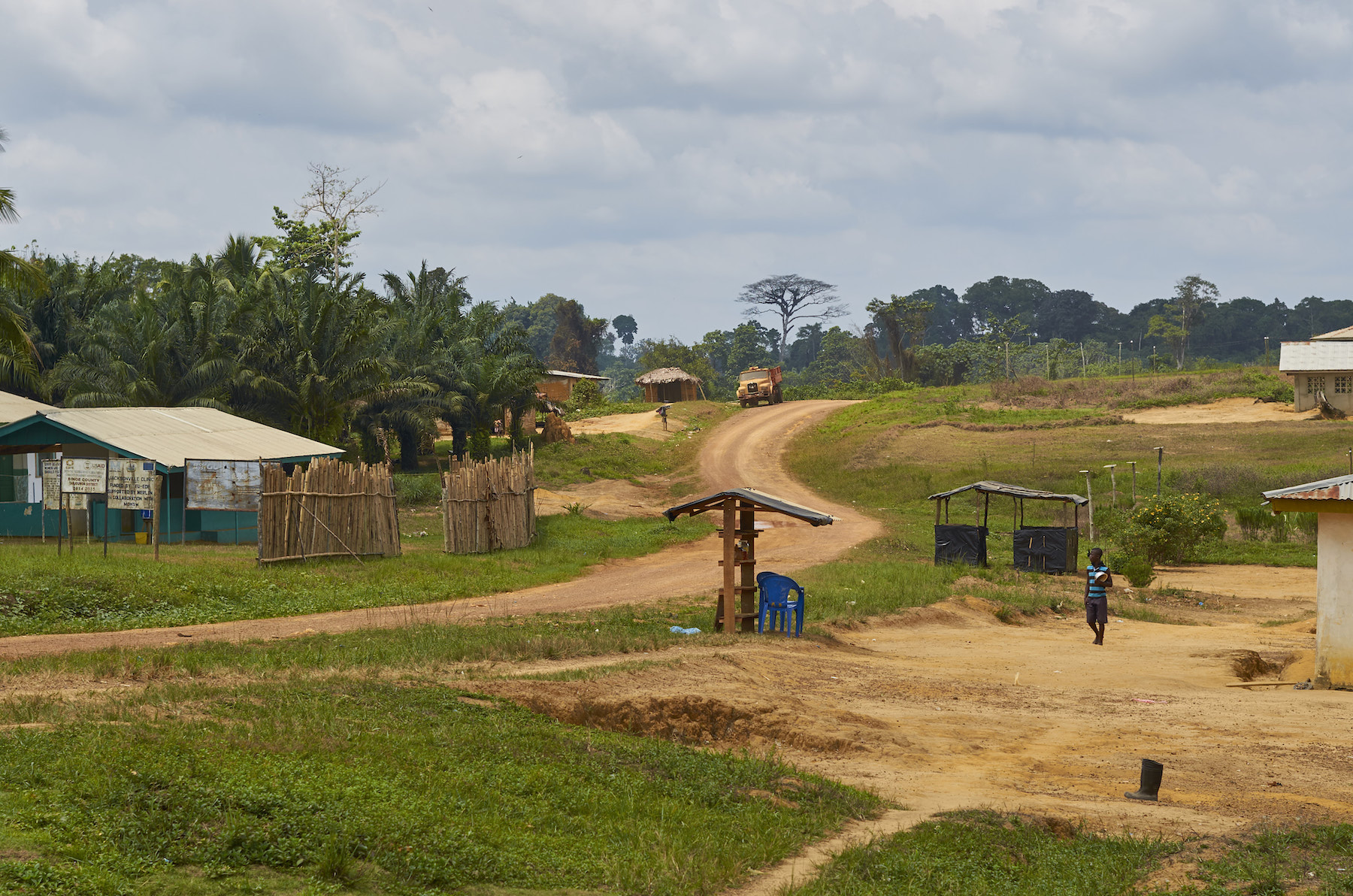
The rural-urban unemployment divide in Liberia stands as a profound structural imbalance that continues to hamper the nation's quest for sustainable development and social cohesion. As Insights Liberia examines the macroeconomic landscape, it becomes increasingly evident that this disparity is not merely a statistical anomaly but a reflection of deep-seated systemic challenges that have persisted since the conclusion of the civil conflict in 2003. According to data provided by the Liberia Institute of Statistics and Geo-Information Services (LISGIS) in their 2020 Labour Force Survey, the national unemployment rate was recorded at 6.0%.
However, this headline figure obscures the alarming reality of the geographic fracture within the labor market: rural unemployment soared at 9.5%, vastly outpacing the 3.8% rate observed in urban centers. When placed alongside earlier longitudinal data, such as the 2017 World Bank report which pegged rural unemployment at an staggering 24.
4% compared to 12.5% in cities, the persistent nature of this crisis is laid bare. The consequences of this divide—ranging from extreme poverty to food insecurity and migration-driven urban overcrowding—demand a rigorous, data-driven approach to policy. Historically, Liberia’s development trajectory has been centered on an 'enclave economy' model.
During the early 20th century, the focus on rubber concessions and later iron ore extraction created localized pockets of relative prosperity while the hinterland remained tethered to low-yield subsistence farming. The fourteen-year civil war (1989-2003) exacerbated this legacy, shattering critical rural infrastructure, including roads, bridges, and market connectivity, effectively isolating many rural communities from the national economy. The World Bank (2021) has noted that this physical isolation acts as a barrier to trade and investment, ensuring that even when agricultural yields are high, the cost of transporting goods to urban markets remains prohibitive, thereby discouraging commercial agriculture. Furthermore, the reliance on subsistence farming—practiced by a significant portion of the rural population—is hampered by the lack of technology, fertilizer, and access to credit.
According to the Food and Agriculture Organization (FAO, 2019), the failure to modernize this sector means that rural families are often trapped in a cycle of low productivity, where labor is intensive but output value is negligible. This absence of economic diversification serves as a primary driver of the rural-urban migration phenomenon, where young, able-bodied individuals leave their homes in places like Grand Gedeh or Lofa in search of menial labor in Monrovia, only to find the urban labor market equally saturated. In contrast, urban centers such as the Greater Monrovia area have acted as magnets for capital, public infrastructure, and private enterprise. The International Monetary Fund (IMF, 2021) has highlighted that the concentration of government agencies, mining sector support services, and the burgeoning service sector within these hubs creates a 'pull factor' that inherently favors urban residents.
This advantage is compounded by the disparities in human capital; urban dwellers have significantly higher access to primary, secondary, and tertiary education. The United Nations Development Programme (UNDP, 2020) noted that the concentration of universities and vocational training institutes in Montserrado County provides urban youth with a competitive edge in the labor market. While urban unemployment exists, it is often frictional, whereas rural unemployment is structural, born from a lack of viable economic pathways. The social and political implications of this divide are far-reaching.
When we consider the 2017 poverty statistics—61.5% in rural areas compared to 33.8% in urban zones—it is clear that the lack of employment is the primary engine of inequality in Liberia. This economic disenfranchisement correlates directly with security concerns.
The rural homicide rate of 10.7 per 100,000, which is more than double the urban rate, reflects a breakdown in social order often precipitated by limited economic agency. Furthermore, the vulnerability to environmental degradation in rural zones creates a feedback loop: as climate change impacts traditional farming patterns, rural households find their sole source of income threatened, leading to deeper hunger and instability. The environmental reliance, coupled with the lack of access to clean water or electricity, ensures that rural residents remain susceptible to external shocks that do not affect their urban counterparts to the same extent.
To bridge this divide, policymakers must move beyond rhetoric and adopt a multifaceted, localized economic strategy. First, the 'infrastructure first' policy is non-negotiable. Connecting rural agricultural hubs to urban markets through rehabilitated road networks is the single most effective way to stimulate private sector interest in the hinterland. Electricity, often seen as an urban luxury, must be decentralized through off-grid solar and micro-hydro projects to facilitate small-scale manufacturing and agricultural processing.
Second, the government must move toward 'value-added agriculture.' Instead of exporting raw rubber or cocoa, incentivizing local processing plants in counties like Bong or Nimba would create a chain of employment, from factory workers to logisticians. This would transition rural workers from subsistence farmers to integral parts of a larger manufacturing value chain, a move supported by the African Development Bank’s (2020) vision for inclusive growth. Third, education reform must prioritize vocational and technical training (TVET) tailored to the specific needs of regional economies.
By aligning curricula with local resource potentials—such as forestry management in the southeast or cocoa cultivation in the north—Liberia can cultivate a workforce that is not only employable but capable of driving local innovation. Finally, regional security and economic development must be viewed as intrinsically linked. By investing in the human capital of rural youth, the state can mitigate the risk of civil unrest and promote a more balanced distribution of the national wealth. The path forward is difficult and requires a sustained, multi-year commitment to de-centralizing the Liberian economy.
The legacy of the past can no longer dictate the opportunities of the future. By intentionally shifting investment focus, fostering SME growth, and empowering the rural agricultural sector, Liberia can dismantle the geographic barriers to employment and foster a more resilient, inclusive economic landscape.
