
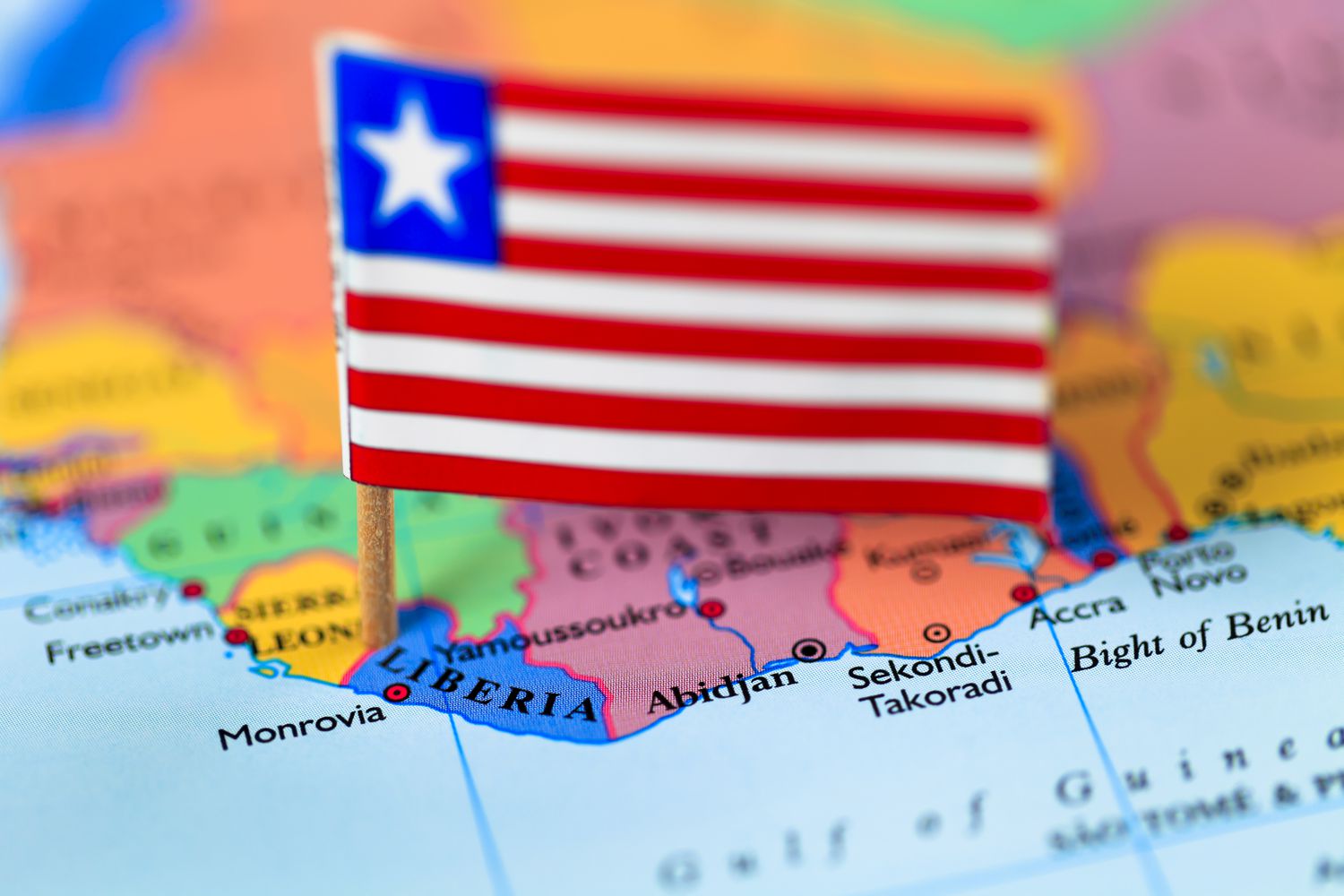
Liberia stands at a critical juncture in its post-conflict economic history, balancing the promise of regional integration through the Economic Community of West African States (ECOWAS) and the expansive, continental ambition of the African Continental Free Trade Agreement (AfCFTA). As the nation seeks to transition from an economy historically reliant on the extraction of raw materials toward a more diversified and value-added industrial landscape, these trade frameworks offer both a roadmap for growth and a stark mirror to the domestic challenges that persist. Historically, Liberia has maintained an open-door policy toward trade, yet its actual participation in regional commerce has often been hampered by historical cycles of instability, infrastructure deficits, and an reliance on imports. Today, as part of the broader African push for self-reliance and intra-continental market maturation, Liberia must navigate a complex transition to remain competitive in an increasingly interconnected global and regional marketplace.
ECOWAS, established in 1975, remains the cornerstone of West African cooperation. For Liberia, a founding member of the regional bloc, the Economic Community of West African States (ECOWAS) represents more than just a trade agreement; it is a manifestation of shared regional security and political stability. The ECOWAS Trade Liberalization Scheme (ETLS) is the operational heart of this partnership. By facilitating the free movement of goods, capital, and people, the ETLS seeks to transform the region into a cohesive market.
Since its inception, the scheme has aimed to eliminate tariff and non-tariff barriers, creating an environment where regional producers can compete effectively. The World Bank notes that between 1990 and 2010, intra-regional trade within the ECOWAS bloc saw an average annual increase of 10 percent. This growth was not incidental; it was the result of a deliberate, albeit imperfect, push toward policy harmonization. However, for a country like Liberia, the benefits of the ETLS have been historically uneven.
While regional trade has the potential to boost Liberia’s manufacturing and agricultural sectors, local producers often struggle to meet the stringent sanitary and phytosanitary standards or the 'Rules of Origin' requirements necessary to qualify for duty-free access under the ETLS. The struggle to move beyond subsistence agriculture into value-added processing—such as refining palm oil or processing cocoa domestically—remains the primary barrier to leveraging the full potential of the ECOWAS market. Complementing the regional framework is the African Continental Free Trade Agreement (AfCFTA). Signed in 2018 and entering its operational phase with ambitious goals, the AfCFTA is the most significant trade development on the continent since the formation of the African Union.
It aims to unite 1.3 billion people across 55 countries, representing a combined GDP of approximately US$3.4 trillion. For Liberia, the AfCFTA represents a quantum leap in market potential.
By lowering barriers to trade across the entire continent, the agreement could theoretically open new avenues for Liberian entrepreneurs to export goods to markets in East, North, and Southern Africa—markets that were previously prohibitively expensive to reach due to high trade costs and historical colonial trade routes that funneled goods out of Africa rather than between African nations. The economic stakes are high: the World Bank projects that the full implementation of the AfCFTA could lift 30 million Africans out of extreme poverty by 2035 and significantly increase the real income of millions more. For Liberia, a country with a youthful, energetic population and a strategic, ice-free coastline along the Atlantic, the agreement offers a unique opportunity to position itself as a regional transit hub. If the government can successfully incentivize investment in logistics, port infrastructure, and small-to-medium enterprise (SME) development, Liberia could act as a gateway for landlocked nations within the region, thereby stimulating service-sector growth.
However, this potential is currently dampened by systemic challenges that are deep-rooted in the nation’s political and economic fabric. The primary obstacle is the glaring deficit in national infrastructure. Trade agreements are only as effective as the physical capacity to move goods; without reliable electricity, paved roads connecting major production zones to ports, and modern storage facilities, the promise of tariff-free trade remains theoretical. The cost of doing business in Liberia, compounded by intermittent power supply and limited logistical networks, inherently makes Liberian-made goods less competitive than those from neighbors with more mature industrial bases.
Furthermore, the issue of corruption continues to act as a significant drag on economic performance. Transparent, predictable, and fair customs processes are essential for the ETLS and AfCFTA to function as intended. When corruption permeates the border points or the regulatory agencies governing trade, it creates hidden 'taxes' that stifle the growth of legitimate businesses, effectively keeping them in the informal sector and outside the scope of regional trade benefits. There is also the matter of the business environment.
A truly competitive economy requires a robust legal framework that protects property rights, facilitates contract enforcement, and simplifies business registration. Liberia’s journey toward an enabling environment for private sector-led growth requires a shift in political focus—moving from a reliance on extractive exports to fostering an environment where SMEs can thrive under the protective umbrella of regional trade agreements. The regional significance of these frameworks cannot be overstated. As the global economy faces volatility and disruptions to traditional supply chains, the ability of African nations to rely on intra-continental trade has become a matter of economic security.
Liberia’s membership in these blocs provides a platform for collective bargaining and regional solidarity, but it also necessitates a modernization of domestic policy. The government must prioritize the harmonization of domestic standards with regional protocols to ensure that Liberian products are not just allowed to cross borders, but are actually desired by regional consumers. Looking forward, the success of Liberia in these trade arenas will depend on the synthesis of three pillars: infrastructural investment, transparency, and human capital development. The youth of Liberia, if equipped with the skills and digital tools necessary for modern commerce, can become the primary drivers of this new era of trade.
Educational initiatives focused on trade law, logistics, and entrepreneurial finance are as important as road construction. The journey toward becoming a vibrant participant in the AfCFTA and a stronger member of ECOWAS is long, but the trajectory is clear. By addressing these structural bottlenecks, Liberia can move from being a passive recipient of regional policy to an active, competitive, and successful player in the future of the African continent. The transition is not merely a technical adjustment of trade policy; it is a fundamental shift toward national development, requiring political will and sustained investment from both the public and private sectors.
As the AfCFTA scales up and ECOWAS refines its integration efforts, Liberia has the opportunity to redefine its economic destiny, moving away from dependence and toward a future characterized by robust intra-regional exchange and sustainable, inclusive growth.
